
The Recommended Reading Order for the Flaxborough Chronicles
Colin Watson's Flaxborough Chronicles (also known as the Flaxborough series) is a classic 12-novel collection of British satirical mysteries published between 1958 and 1982. The books follow the polite, methodical, and quietly sharp Inspector Walter Purbright and his slower sidekick Detective Sergeant Sidney Love as they navigate the respectable, hypocritical, and criminally active inhabitants of the fictional Lincolnshire market town of Flaxborough.
Because the characters grow, the town's social dynamics develop, and recurring figures like the delightfully corrupt con artist Miss Lucilla Edith Cavell Teatime are introduced, the best way to read the series is in publication order. The chronology of the stories matches their publication years, making this path smooth and easy to follow.
The Flaxborough Chronicles in Publication Order
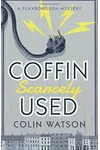
- Coffin, Scarcely Used (1958) – The debut novel that introduces Flaxborough, Inspector Purbright, and a bizarre series of deaths connected to suspicious newspaper advertisements.
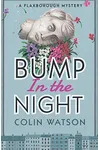
- Bump in the Night (1960) – Inspector Purbright is called to the neighboring town of Chalmsbury to investigate a series of mysterious explosions targeting public monuments, which eventually lead to murder.
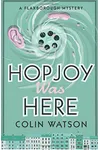
- Hopjoy Was Here (1962) – This CWA Silver Dagger runner-up follows the search for a missing undercover agent, poking fun at the spy thriller genre and bureaucracy.
- Lonelyheart 4122 (1967) – A CWA Silver Dagger runner-up that introduces the series' most iconic recurring character, the elegant and opportunistic con-woman Miss Lucilla Teatime, as Purbright investigates a shady matrimonial agency.
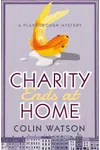
- Charity Ends at Home (1968) – Purbright digs into the competitive and surprisingly cutthroat world of local charity organizations after a series of suspicious mishaps.
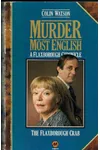
- The Flaxborough Crab (1969) – Published in the US as Just What the Doctor Ordered. The plot features an antique herbal remedy, a wave of eccentric behavior among the town's older gentlemen, and a baffling investigation.
- Broomsticks Over Flaxborough (1972) – Published in the US as Kissing Covens. Purbright investigates a bizarre set of occurrences involving modern-day witchcraft and corporate interests.
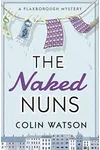
- The Naked Nuns (1975) – Published in the US as Six Nuns and a Shotgun. A wilder, highly comedic entry involving American visitors, missing funds, and tax-evading schemes.
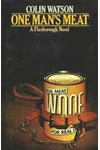
- One Man's Meat (1977) – Published in the US as It Shouldn't Happen to a Dog. Purbright investigates the bizarre death of a man on a carnival slide, leading to a dog food company and a questionable matrimonial agency.
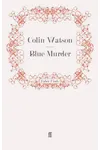
- Blue Murder (1979) – A satirical look at the local building industry, town council politics, and dodgy contractors, culminating in a suspicious fall.
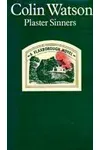
- Plaster Sinners (1980) – The theft of a valuable antique lead plaque and the murder of a local shopkeeper pull Purbright into the shady side of the regional art trade.
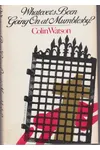
- Whatever's Been Going On at Mumblesby? (1982) – The final novel in the series (sometimes listed as 1983 depending on regional release dates). Purbright investigates an suspicious death in a nearby wealthy village, exposing deep-seated provincial hypocrisy.
Where to Start Reading
While the series can technically be read as standalones, new readers should ideally start with the first book, Coffin, Scarcely Used. It perfectly establishes Watson's dry, ironic tone and introduces Inspector Purbright's patient policing style. If you cannot find the first book, another excellent starting point is the fourth installment, Lonelyheart 4122. This novel marks the first appearance of Miss Lucilla Teatime, whose polite schemes and criminal intelligence serve as a recurring delight throughout the remainder of the series.
The Satirical Heart of Flaxborough
Unlike traditional golden-age cozy mysteries, Watson's books are sharp social satires. The fictional town of Flaxborough is modeled heavily on Watson's time working as a journalist in Boston, Lincolnshire, as well as nearby market towns like Horncastle and Sleaford. Watson utilizes the town to skewer the pretension, prudishness, and greed of mid-century middle-class England. Inspector Purbright is not a flamboyant genius detective, but a quietly decent, observant public servant who succeeds because he understands how small-town hypocrisy works and how to nudge suspects into exposing themselves.
The Television Adaptation: Murder Most English
In 1977, the BBC adapted four of Colin Watson's novels into a seven-part television series titled Murder Most English. Starring Anton Rodgers as Inspector Walter Purbright and Christopher Timothy as Detective Sergeant Sidney Love, the series brought Watson's quirky provincial characters to the screen. The adapted novels were: Hopjoy Was Here, Lonelyheart 4122, The Flaxborough Crab, and Coffin, Scarcely Used. The television series remains a beloved relic for fans of classic British mystery adaptations and captured Watson's dry comic tone exceptionally well.