

The Recommended Reading Order for the Frontier Series
To fully appreciate the sweeping narrative, emotional weight, and historical progression of the Frontier series (also known as the Duffy and Macintosh saga), readers must follow the books in their exact order of publication. Because the series follows a strict chronological timeline spanning more than a century, jumping out of order will spoil major character deaths, shifting family alliances, and the resolution of long-standing vendettas.
Here is the complete sequence for the Frontier series:
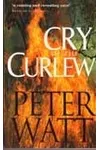
- Cry of the Curlew (2000) – The epic begins in the 19th-century Queensland outback, where a brutal act of violence by wealthy squatter Donald Macintosh ignites a multi-generational blood feud with the Irish Duffy family.
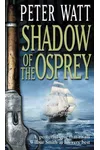
- Shadow of the Osprey (2000) – The feud shifts from the rugged outback to the high-stakes boardrooms of late 19th-century Sydney and the dangerous waters of the Coral Sea.
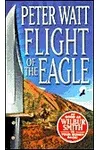
- Flight of the Eagle (2002) – The conflict expands globally as the younger generations of Duffys and Macintoshes find themselves on the battlefields of the Sudan Campaign (1885) before returning to the outback.
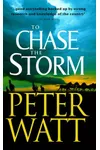
- To Chase the Storm (2004) – Set at the turn of the 20th century, the story follows the families through the Boer War in South Africa and the historic federation of the Australian colonies.
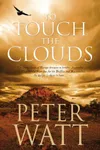
- To Touch the Clouds (2009) – The devastation of World War I takes center stage, tracking family members from Queensland to the horrific trenches of Gallipoli and the Western Front.
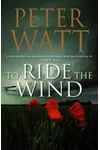
- To Ride the Wind (2010) – Exploring the roaring 1920s, this installment focuses on the early pioneers of Australian aviation, new corporate rivalries, and fresh betrayals.
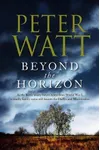
- Beyond the Horizon (2012) – The timeline enters the turbulent 1930s, showing the families struggling through the Great Depression while global tensions start to rise.
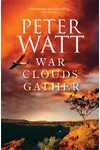
- War Clouds Gather (2013) – Set in the late 1930s, the shadow of another global conflict looms large over Australia, forcing the next generation of Duffys and Macintoshes to prepare for war.
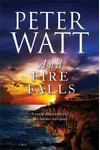
- And Fire Falls (2014) – As World War II erupts, the families are scattered across different theaters of war, testing their resilience and loyalties to the limit.
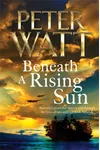
- Beneath a Rising Sun (2015) – The narrative focuses intensely on the Pacific theater of World War II, detailing the direct threat of Japanese invasion to Australia and the battles in New Guinea.
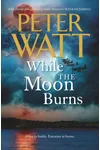
- While the Moon Burns (2016) – Covering the immediate post-WWII years, the book follows the characters into the early Cold War era and the onset of the Malayan Emergency.
- From the Stars Above (2018) – The grand finale of the saga concludes in the turbulent 1960s, wrapping up the multi-generational family rivalry against the backdrop of the Vietnam War.
The Macintosh-Duffy Feud: Origins and Themes
At the absolute heart of the Frontier series is a bitter class and cultural struggle. The wealthy, Scottish-descended Macintosh family represents power, land ownership, and the ruthless exploitation of the Australian frontier. In contrast, the Duffys—originally working-class Irish immigrants and bullock teamsters—represent resilience, survival, and the working man's struggle. The feud begins with a horrific act: Donald Macintosh orders the violent dispersal of the local Indigenous Nerambura tribe on his station, an atrocity witnessed by Patrick Duffy and his son Tom. This dark origin establishes the cycle of vengeance that defines the family dynamics for over a hundred years.
Author Peter Watt weaves real historical issues into this drama, refusing to shy away from the dark realities of colonial Australia. He prominently features the conflicts between white settlers and Aboriginal communities, the complexities of frontier justice, and the emergence of a unique Australian identity. Watt's military background and deep connection to the land bring intense authenticity to the battle scenes and outback settings, earning him frequent comparisons to South African saga writer Wilbur Smith.
Chronological Caveats and Timeline Progression
Because the series spans from approximately the 1840s to the late 1960s, readers should be prepared for significant time jumps between books. Characters grow old, pass away, and hand their vendettas down to their children and grandchildren. This rapid generational pacing means that while some characters remain beloved anchors for several books, the true constant of the series is the land itself and the enduring rivalry. Watt ensures that the transition between eras is seamless by anchoring each book to major historical milestones, making the series as much an educational journey through Australian history as it is a fictional family drama.
Distinguishing Frontier from Peter Watt's Other Works
Since Peter Watt was a prolific author of Australian historical fiction, it is common for readers to confuse the Frontier series with his other works. To keep your reading lists straight, keep the following distinctions in mind:
- The Colonial Series: Consisting of titles like The Queen's Colonial, The Queen's Tiger, and The Colonial's Son, this series follows the adventures of Ian Steele in the British Empire and is entirely separate from the Duffy-Macintosh saga.
- The Papua Trilogy: Comprising Papua, Eden, and The Pacific, this trilogy focuses on the historical conflicts in Papua New Guinea and the Pacific, containing its own self-contained narrative.
If you want to experience the complete Macintosh and Duffy feud, you must stick strictly to the 12-book Frontier series list outlined above.
What to Know Before You Start
The Frontier series is highly addictive but contains graphic depictions of frontier violence, historical warfare, and colonial hardships. Peter Watt intended to show the gritty, unvarnished history of Australia, so the books carry an intense emotional weight. There are no standalone entry points after the first book; attempting to start mid-series will result in confusion due to the dense web of family trees and historical backstory. Grab a copy of Cry of the Curlew, settle in for an epic multi-generational ride, and watch the history of Australia unfold through the eyes of two families locked in an eternal struggle.