


How to Read the Fudge Books in Recommended Order
The Fudge series, written by the legendary children's author Judy Blume, has been a staple of classroom bookshelves and bedtime reading since the early 1970s. The books follow the Hatcher family, specifically focusing on the perspective of the oldest son, Peter Hatcher, and his chaotic relationship with his younger brother, Farley Drexel 'Fudge' Hatcher. Experiencing the hilarious, relatable, and sometimes downright embarrassing antics of Fudge is best done by following the publication order. Because the characters age and experience major life changes throughout the series—such as moving to a new city, welcoming a new baby sister, and adjusting to new family relationships—reading them in order offers the most satisfying narrative arc.
Here is the recommended reading path for the Fudge books:
- Tales of a Fourth Grade Nothing (1972): This is where the magic begins. We are introduced to nine-year-old Peter Hatcher, who lives in a New York City apartment and constantly struggles to get attention from his parents because of his mischievous two-and-a-half-year-old brother, Fudge. The story is famous for Fudge's wild stunts, culminating in him swallowing Peter's pet turtle, Dribble.
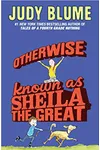
- Otherwise Known as Sheila the Great (1972): Published in the same year as the first book, this is a character-focused spin-off. It shifts the spotlight from the Hatcher brothers to Peter's classmate and rival, Sheila Tubman. The story takes place during a summer vacation in Tarrytown, New York, where Sheila faces her secret fears, including dogs and swimming. While Fudge does not make an appearance, Peter has a brief cameo.
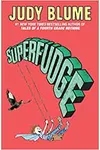
- Superfudge (1980): Returning to the Hatcher household, this book takes place a few years later. Peter is now in the sixth grade, Fudge is four years old and starting kindergarten, and the Hatchers welcome a new baby girl named Tamara Roxanne, nicknamed 'Tootsie.' The family temporarily relocates to Princeton, New Jersey, for a year, forcing the boys to adapt to a new school and community.
- Fudge-a-Mania (1990): The Hatchers and the Tubmans share a summer vacation home in Maine, leading to an explosion of sibling rivalry, awkward encounters, and unexpected connections. Peter is horrified to spend his vacation so close to Sheila, especially when his grandmother and Sheila's grandfather start developing a romantic relationship that threatens to link their families permanently.
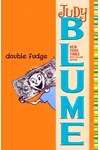
- Double Fudge (2002): The final installment finds Fudge at eight years old, completely obsessed with money, creating his own currency, and demanding to buy the entire world. Peter, now a teenager, has to navigate both Fudge's latest mania and the arrival of their eccentric, long-lost cousins from Texas—the 'Howie Hatchers'—who bring their own brand of chaos to New York.
Understanding the Sheila Tubman Spin-off
One of the most common points of confusion for readers approaching the Fudge series is the inclusion of Otherwise Known as Sheila the Great. Because it is labeled as the second book in the series, many expect it to feature Fudge's typical schemes. However, it is a true spin-off. Judy Blume chose to step away from Peter's point of view to explore the inner life of Sheila Tubman, a character who initially appears as a bossy, confident girl in Tales of a Fourth Grade Nothing. In her solo book, we discover that Sheila's outward confidence is a cover-up for her deep anxieties and insecurities.
If you are reading the series solely for Fudge's antics, you can technically skip this book and move straight from Tales of a Fourth Grade Nothing to Superfudge without missing core plot points about the Hatcher family. However, skipping it is not recommended if you plan to read the entire series. Sheila returns as a major character in Fudge-a-Mania, and having the background knowledge of her character growth, her summer in Tarrytown, and her friendship with Mouse Ellis makes the interactions in Maine much more rewarding and funny.
Chronological Timeline vs. Publication Gaps
While the Hatcher family aging process flows naturally from book to book, the real-world publication timeline spans three decades. Judy Blume wrote the first two books in 1972, waited eight years to publish Superfudge in 1980, took a ten-year break before releasing Fudge-a-Mania in 1990, and then waited another twelve years to deliver Double Fudge in 2002. This means that while Peter only ages about five years inside the narrative (from nine to fourteen), the world around him shifted from the early 1970s to the dawn of the 21st century.
Remarkably, Blume managed to keep the setting relatively timeless. While there are subtle shifts in technology and culture across the novels, the core themes of sibling jealousy, family vacations, moving anxieties, and money obsessions remain completely universal. Reading the books back-to-back feels like a continuous journey, with the characters growing older at a realistic pace that captures the transition from late childhood to early adolescence.
What to Know Before You Start: Tone and Adaptations
Before diving into the Fudge series, new readers should know that these books are celebrated for their honest, unfiltered depiction of childhood. Unlike many children's books of the era that painted a sanitized picture of sibling dynamics, Judy Blume does not sugarcoat Peter's resentment of Fudge, nor does she hide the frustration their parents feel. The humor comes from real, recognizable family situations that can be chaotic and stressful, but are always grounded in love.
The success of the books led to a popular 1995 television series adaptation simply titled Fudge. The show ran for two seasons on ABC and CBS and was launched by a 90-minute made-for-TV movie pilot adapting the events of Fudge-a-Mania. The series featured Luke Tarsitano as Fudge, Jake Richardson as Peter, and Eve Plumb (best known as Jan Brady from The Brady Bunch) as their mother, Anne Hatcher. While the television series expanded the stories with original plots in its second season, it maintained the warm, humorous spirit of Judy Blume's writing, which Blume herself praised despite having limited creative control over the production.
Practical Reader Advice
For the best experience, start at the very beginning with Tales of a Fourth Grade Nothing. The books are relatively short and fast-paced, making them excellent read-aloud choices for younger children or independent reads for middle-grade students. Because the narrative relies on the ongoing development of the Hatcher family—including the introduction of new characters like baby sister Tootsie and the changing dynamics of Peter's friend group—trying to read the books out of order will spoil major developments and weaken the emotional impact of the series' final chapters.