




The Recommended Reading Order for God Don’t Like Ugly
If you are planning to dive into the emotional, dramatic world of Annette Goode and Rhoda Nelson, there is only one way to do it: in order of publication. Because the series follows Annette’s life from her traumatic childhood in the mid-1950s all the way through her adult struggles with marriage, trust, and self-discovery, reading the books chronologically is essential to understanding the characters' growth and their complex relationship dynamics.
God Don’t Like Ugly Books in Publication Order
Here is the complete sequence of Mary Monroe's bestselling series in its original publication order:
- God Don't Like Ugly (2000): The book that started it all. Set in civil rights-era Ohio, we meet Annette Goode, a shy, overweight young girl carrying the heavy secret of abuse by a boarder in her mother's home. Her life changes forever when she meets the beautiful, confident Rhoda Nelson, who becomes her protector and lifelong friend.
- God Still Don't Like Ugly (2003): Following Annette into adulthood, this sequel deals with the long-term emotional scars of her childhood. As she attempts to build a stable life and reconcile with her estranged father, she must navigate new relationships while relying on her bond with Rhoda.
- God Don't Play (2006): Annette finally feels like she has achieved stability, with a loving home and a good job. However, her peace is shattered when she begins receiving threatening letters and phone calls that target her and her daughter. To survive, Annette must figure out who is trying to destroy her life.
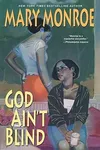
- God Ain't Blind (2008/2009): In the fourth installment, Annette's marriage to her childhood sweetheart, Pee Wee Davis, hits a rough patch. Feeling neglected, she falls into a passionate affair with a smooth-talking man named Louis Baines, only to discover a dark secret that threatens to undo everything she has built.
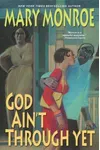
- God Ain't Through Yet (2010): Annette deals with the messy fallout of her infidelity as Pee Wee moves out to live with another woman. Devastated but determined, Annette struggles to put her life back together, relying on her complicated, love-hate relationship with Rhoda to get through the storm.
- God Don't Make No Mistakes (2012): The final chapter of the saga. Annette and Rhoda face their ultimate trials, centering on long-held secrets, betrayals, and the consequences of their life choices, bringing their decades-long journey of sisterhood and survival to a dramatic conclusion.
Chronological Continuity and Order Caveats
Unlike some book series where you can skip around or read volumes as standalone stories, the God Don't Like Ugly saga functions as a continuous serial. The timeline moves in a straight line, starting in October 1956 when Annette is six years old, and moving steadily forward through the civil rights era, the 1970s, and into the late 20th century. Major character arcs, such as Annette's marriage to Pee Wee and her shifting dynamics with Rhoda, are built layer by layer. Skipping a book will leave you confused about how characters ended up in their current situations, particularly during the transition from the domestic drama of the fourth book to the emotional rebuilding of the fifth.
What to Know Before You Start
Before stepping into Mary Monroe’s Toledo, Ohio, readers should be prepared for a series that combines heavy emotional themes with highly engaging, almost soap-opera-like pacing. The books deal directly with sensitive topics, including childhood sexual abuse, domestic violence, and infidelity. However, Monroe balances these dark themes with a strong sense of humor, vivid community settings, and the resilient power of female friendship. The tone is conversational and direct, pulling readers into the daily lives, neighborhood gossip, and survival strategies of the characters.
Key Characters to Watch
The strength of this series lies in its memorable cast of characters who populate Annette's world. Here are the most critical figures to keep track of:
- Annette Goode: The protagonist whose journey from a traumatized child to a resilient adult forms the spine of the series. Her struggle with self-esteem and search for unconditional love make her a deeply relatable lead.
- Rhoda Nelson: Annette's vibrant, beautiful, and fiercely protective best friend. Rhoda's bold personality contrasts with Annette's quiet nature, and their friendship is both the series' greatest anchor and the source of its most intense drama.
- Pee Wee Davis: Annette's childhood sweetheart and eventual husband. Their romance is filled with ups and downs, reflecting the complex realities of long-term relationships.
- Mr. Boatwright: The predatory boarder whose actions in the first book cast a long shadow over Annette's entire life.
The Author's Inspiration and Legacy
Mary Monroe, a self-taught writer and the daughter of Alabama sharecroppers, drew heavily from her observations of mid-century African American communities. After starting her career with the publication of The Upper Room in 1985, she achieved major commercial success and critical acclaim with the release of God Don't Like Ugly in 2000. The debut novel earned Monroe the prestigious PEN/Oakland Josephine Miles Award in 2001. Her storytelling has been celebrated for its authentic voice, rich dialogue, and realistic portrayal of survival, earning her comparisons to classic African American literary figures.
Spin-offs and Related Series
Many readers wonder if they need to read Mary Monroe’s other books to understand the God Don't Like Ugly series. Fortunately, this saga is entirely self-contained. While Monroe has written other acclaimed books set in the American South—such as the Mrs. Wiggins / Lexington, Alabama books or the Mama Ruby series (which began with her 1985 debut novel The Upper Room)—they take place in different fictional universes and do not feature crossovers with Annette or Rhoda. You can focus entirely on these six books without worrying about outside reading material.
Practical Reader Advice
For the best reading experience, keep the following tips in mind:
- Start at the Beginning: Always start with the first novel, God Don't Like Ugly. It provides the crucial backstory that explains Annette's behavior, anxieties, and relationships in all subsequent books.
- Be Prepared for Heavy Themes: The series contains descriptions of abuse and trauma, especially in the opening novel, so readers sensitive to these themes should proceed with care.
- Enjoy the Character Growth: One of the most rewarding aspects of the series is watching Annette grow from a vulnerable, quiet child into a woman who stands up for herself and fights for her family, making the journey well worth the read.