

Recommended Reading Path
For the best experience, readers should follow the series in its publication order, starting with Athena the Brain. While the co-authors, Joan Holub and Suzanne Williams, designed each book to focus on a different character with a self-contained story, there is a clear sense of continuity. Character relationships evolve, secondary plots develop, and major school milestones at Mount Olympus Academy (such as the school games and academic graduations) build upon previous books. Reading them in sequence ensures you won't miss any of the running jokes or character growth.
Goddess Girls Books in Order
Below is the complete list of the main series books and Super Specials in their recommended reading sequence based on publication history:
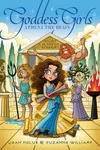
- Athena the Brain (2010)
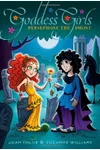
- Persephone the Phony (2010)
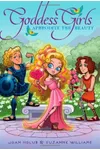
- Aphrodite the Beauty (2010)
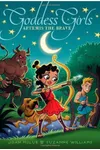
- Artemis the Brave (2010)
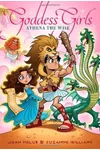
- Athena the Wise (2011)
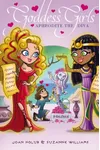
- Aphrodite the Diva (2011)
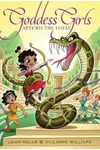
- Artemis the Loyal (2011)
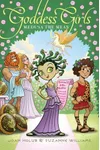
- Medusa the Mean (2012)
- Super Special #1: The Girl Games (2012)
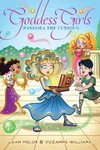
- Pandora the Curious (2012)
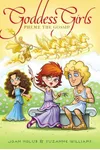
- Pheme the Gossip (2013)
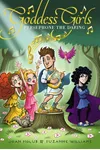
- Persephone the Daring (2013)
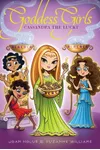
- Cassandra the Lucky (2013)
- Athena the Proud (2014)
- Iris the Colorful (2014)
- Aphrodite the Fair (2014)
- Medusa the Rich (2015)
- Amphitrite the Bubbly (2015)
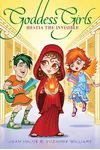
- Hestia the Invisible (2015)
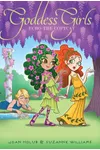
- Echo the Copycat (2016)
- Calliope the Muse (2016)
- Pallas the Pal (2016)
- Nyx the Mysterious (2017)
- Medea the Enchantress (2017)
- Eos the Lighthearted (2018)
- Clotho the Fate (2019)
- Persephone the Grateful (2020)
- Hecate the Witch (2021)
- Artemis the Hero (2022)
- Elpis the Hopeful (2023)
- Super Special #2: Time Travelers (2023)
Understanding the Super Specials
In addition to the numbered books, the authors wrote two longer-format Super Specials that feature broader group adventures. The first, The Girl Games, was published in 2012 and fits perfectly between Book 8 (Medusa the Mean) and Book 9 (Pandora the Curious). The second, Time Travelers, was published in 2023 and serves as a grand finale to the primary sequence at Mount Olympus Academy, wrapping up the adventures of the core cast after Elpis the Hopeful.
Graphic Novel Adaptations
For visual readers, the first four books of the series have been adapted into full-color graphic novels. Rather than being written by Holub and Williams, these adaptations were adapted by David Campiti and published by Simon & Schuster. A complete boxed set of these four graphic novels was released in October 2023. The graphic novels cover:
- Athena the Brain: The Graphic Novel (2022)
- Persephone the Phony: The Graphic Novel (2022)
- Aphrodite the Beauty: The Graphic Novel (2023)
- Artemis the Brave: The Graphic Novel (2023)
Spin-Offs and Sister Series
If you've finished the main run at Mount Olympus Academy, the authors have created several sister series with a similar tone:
- Little Goddess Girls (Ages 5–8): A spin-off series tailored for younger readers. It features younger, early-reader versions of Athena, Persephone, Aphrodite, and Artemis embarking on magical quests. Popular titles include Athena & the Magic Land and Persephone & the Giant Flowers.
- Heroes in Training: A companion series focusing on the male Greek gods (like Zeus, Poseidon, and Hades) as young boys on quest-based adventures.
- Thunder Girls: A series that applies the same academy treatment to Norse mythology, following characters like Freya at Asgard Academy.
- Grimmtastic Girls: A fairytale-themed series set at Grimm Academy, highlighting characters like Cinderella, Red Riding Hood, and Snow White.
What to Know Before You Start
The Goddess Girls series is designed for readers aged 8 to 12. Its lighthearted, conversational tone makes it an engaging introduction to Greek mythology, focusing on relatable tween dynamics like friendships, school projects, and crushes. The authors maintain a highly collaborative writing process: Suzanne Williams typically drafts the books centered on Persephone and Aphrodite, while Joan Holub handles those featuring Athena and Artemis. They cross-edit each other's drafts to create a seamless, unified voice across all 31 titles.