
How to Read the Goddess Summoning Series
P.C. Cast’s Goddess Summoning series is a beloved staple of paranormal romance that blends contemporary wit with ancient mythologies. Written between 2003 and 2010, this seven-book series takes modern women—ranging from Air Force veterans to Tulsa bakers—and transports them into the realms of gods, goddesses, and legendary figures. Once there, they must swap souls, take on divine responsibilities, and find true love.
Because each book focuses on a different couple and adapts a different myth, the series is highly episodic. However, reading them in order of release offers the best experience as it lets you trace Cast's evolving style and notice minor recurring elements. Below is the recommended reading path, details on each book, and key advice to keep in mind before you start reading.
Goddess Summoning Books in Publication Order
This is the official order in which the books were written and published. Following this list is the easiest way to tackle the series:
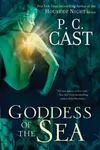
- Goddess of the Sea (2003)
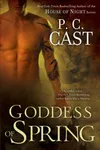
- Goddess of Spring (2004)
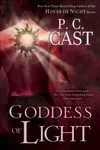
- Goddess of Light (2005)
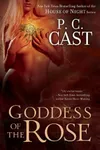
- Goddess of the Rose (2006)
- Goddess of Love (2007)
- Warrior Rising (also published as Goddess of Troy) (2008)
- Goddess of Legend (2010)
The Book-by-Book Breakdown
1. Goddess of the Sea (2003)
The series kicks off with the story of Christine "CC" Canady, an Air Force Sergeant deployed in the Mediterranean. Lonely and seeking a spark of magic, CC performs a lighthearted pagan ritual on her 25th birthday. The next day, her transport plane crashes into the sea. Instead of drowning, she is rescued by a mermaid and finds her consciousness swapped into the body of the mythological sea nymph Undine. With the help of the Earth goddess Gaea, CC is temporarily granted human legs to survive on land, where she is courted by a handsome knight. However, CC's heart is drawn back to the ocean depths, where she has fallen for Dylan, a seductive and protective merman. This book serves as a perfect introduction to the series' themes of soul-swapping and choosing one's own destiny.
2. Goddess of Spring (2004)
In the second installment, Cast tackles the famous Greek myth of Hades and Persephone. The protagonist is Lina, a hard-working Tulsa baker who is struggling to keep her business afloat. Desperate for help, she strikes a deal with the goddess Persephone, swapping souls so the goddess can experience the mortal world while Lina takes her place in the Underworld. Lina expects to merely tend the gardens of Elysium, but she quickly runs into Hades, the brooding Lord of the Underworld. Rather than the monster of myth, Lina discovers that Hades is a lonely, misunderstood god. Their chemistry is immediate, but Lina must find a way to balance her love for Hades with the rules of the divine realm and her desire to return to her bakery.
3. Goddess of Light (2005)
Moving from the Underworld to Las Vegas, this novel follows Pamela Gray, a successful interior designer who is tired of being mistreated by men. On a trip to Vegas, she jokingly wishes to be treated like a true goddess by a handsome god. The goddess Artemis overhears the wish and decides to use it to teach her arrogant twin brother, Apollo, a lesson. Artemis challenges Apollo to descend to Earth and win Pamela’s heart without using his divine powers. Posing as a mortal, the God of Light finds himself genuinely falling for Pamela, but he must overcome his own ancient egos and Pamela's deep-seated trust issues to earn her love.
4. Goddess of the Rose (2006)
This book delivers a mythological reimagining of Beauty and the Beast. Mikki Jones is a landscape architect from Tulsa who comes from a family with a dark secret: for generations, the women in her family have sacrificed droplets of blood to keep their legendary roses blooming. When Mikki performs the family ritual, she is unexpectedly pulled into the magical Realm of the Rose. There, the goddess Hecate reveals that Mikki is a high priestess destined to lift a centuries-old curse placed on the realm's guardian beast. As Mikki works to save the land, she finds herself falling for the beastly guardian, learning to look past outward appearances to find the gentle soul underneath.
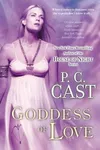
5. Goddess of Love (2007)
Venus, the Goddess of Love, is bored with her immortal life and decides to play matchmaker for a mortal. Her target is Pea Chamberlain, a self-conscious, nerdy woman who desperately wants to catch the eye of a handsome fireman named Griffin DeAngelo. Venus descends to Earth to give Pea a physical and emotional makeover, but the plan goes awry when Venus herself starts falling for Griffin. This creates an awkward, divine love triangle, forcing the characters to examine what true beauty and genuine love really mean.
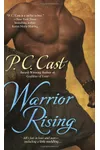
6. Warrior Rising / Goddess of Troy (2008)
This book transports readers to the Trojan War. Frustrated by the massive loss of life driven by the egos of men—especially the legendary Greek warrior Achilles—the goddesses Hera, Athena, and Venus hatch a plan to distract him. They recruit Kat, a modern woman from Tulsa who recently died in a car crash. In exchange for a second chance at life, Kat agrees to be sent back in time in the body of a Trojan princess to tame the fierce Greek champion. Kat's fiery, independent nature immediately clashes with Achilles' warrior rage, turning the battlefield into a battle of hearts.
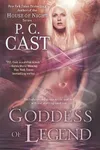
7. Goddess of Legend (2010)
The final book in the series shifts focus to Arthurian legend. Isabel, a modern photojournalist, survives a terrible car accident with the help of the Water Goddess, who transports her back to legendary Camelot. Her task is to seduce Sir Lancelot away from Queen Guinevere, preserving King Arthur's happiness and preventing the wizard Merlin from fading away. However, Isabel's mission becomes vastly more complicated when she arrives in Camelot and finds herself falling in love with King Arthur himself, threatening to rewrite the very legends she was sent to protect.
Chronological Caveats and Reading Flexibility
Because each book in the Goddess Summoning series features a completely different cast of protagonists and is set in distinct times or realms, you do not need to worry about rigid chronology. For instance, Warrior Rising takes place during the ancient Trojan War, and Goddess of Legend is set in medieval Camelot, while the other five books occur in the modern day. You can easily read these books as standalones based on which myth interests you the most. However, reading in publication order is still recommended to avoid minor spoilers regarding the behavior and rules of the gods, who occasionally make brief cameo appearances across different books.
Common Confusions: Alternate Titles and Other Series
Readers frequently run into two major sources of confusion when navigating P.C. Cast's catalog:
The Warrior Rising Title Swap: The sixth book, Warrior Rising, was published under the title Goddess of Troy in several international markets and newer editions. Both titles refer to the exact same book starring Kat and Achilles, so be careful not to buy both copies thinking they are separate stories.
The "Goddess by Mistake" Mix-Up: P.C. Cast's award-winning debut novel, originally published in 2001, was titled Goddess by Mistake. Because of the word "Goddess" in the title, many readers assume it is the first book of the Goddess Summoning series. However, this book is actually the start of a completely different series called the Partholon (or Divine) series, and it was later updated and republished under the title Divine by Mistake. If you are looking for the true starting point of the Goddess Summoning series, make sure to begin with Goddess of the Sea.
Practical Advice for Readers
If you are planning to dive into the series, here are a few tips to make the most of your reading experience:
- Best Starting Point: Start with Goddess of the Sea to get a feel for P.C. Cast’s blend of modern-day heroines and mythological entities. If you prefer a more classic romance trope, Goddess of Spring (the Hades/Persephone story) is widely considered a fan-favorite and can also serve as an excellent entry point.
- Standalone Potential: Yes, every book can be read entirely as a standalone. The romances are completely resolved by the end of each volume, and there are no cliffhangers connecting the books.
- Tone and Age Rating: These books are classified as paranormal romance and chick-lit fantasy. They contain explicit romance and mature themes, making them suitable for mature young adult and adult readers. This is distinct from P.C. Cast's younger-skewing young adult work like the House of Night series.
- No Spin-offs or Co-Authors: Unlike many of her other famous series (such as the House of Night books, which were co-written with her daughter Kristin Cast), the Goddess Summoning series was written entirely by P.C. Cast as a solo project, and there are no official spin-offs or companion novels.