
How to Read the Gooney Bird Series
Written by two-time Newbery Medalist Lois Lowry and wonderfully illustrated by Middy Thomas, the Gooney Bird Greene series has been a classroom favorite since its debut in 2002. The books are set in Mrs. Pidgeon's second-grade classroom at Watertower Elementary School, capturing the humor, creativity, and simple dramas of early elementary school life.
Because the characters grow together and the classroom bond deepens across the school year, the best way to read these books is in their original publication order. Reading the series chronologically helps young readers follow the seasonal progression of the school term, starting from Gooney Bird's dramatic arrival in autumn and moving through to the spring.
Publication Order of the Gooney Bird Greene Books
The core series consists of six main books published between 2002 and 2013. Below is the recommended order in which to enjoy them:
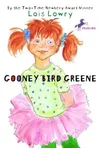
- Gooney Bird Greene (2002) – Introduces Gooney Bird, a new student who takes Mrs. Pidgeon's class by storm with her fabulous, 'absolutely true' stories.
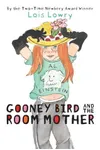
- Gooney Bird and the Room Mother (2005) – As November arrives, the class prepares for a Thanksgiving pageant, and Gooney Bird takes on the challenge of finding a mysterious 'room mother.'
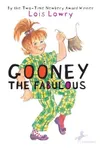
- Gooney the Fabulous (2007) – The second-graders explore fables and lessons, with Gooney Bird inspiring her classmates to write and perform their own moral tales.
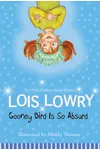
- Gooney Bird Is So Absurd (2009) – Mrs. Pidgeon's class dives into the world of poetry. The book takes a slightly deeper emotional turn as the children learn to process sadness through creative writing.
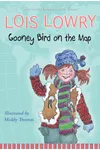
- Gooney Bird on the Map (2011) – In the middle of winter, the students beat the cold-weather blues by learning geography and constructing a giant, interactive map out of snow on the school playground.
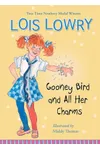
- Gooney Bird and All Her Charms (2013) – The children explore anatomy and the human body with the help of a classroom skeleton named Napoleon and Gooney Bird's great-uncle, who is a doctor.
Practical Reader Advice
Where to Start
You should absolutely start with the first book, Gooney Bird Greene. This book establishes Gooney Bird's unique personality, her eccentric fashion sense (like wearing pajamas and a tutu to school), and her storytelling rules. It also introduces recurring classmates like Malcolm, the energetic boy who struggles to sit still, and Felicia Ann, the painfully shy girl who finds her voice through Gooney's encouragement.
Can They Be Read as Standalones?
Yes. Each book focuses on a specific creative or educational theme (storytelling, vocabulary, fables, poetry, geography, and anatomy). If a teacher wants to use a specific book to introduce a unit on poetry or geography, the book can easily stand alone. However, reading them in order provides a rewarding sense of continuity as the class becomes closer and Gooney's friendships mature.
Age Range and Format
The series is designed for readers aged 6 to 9 (typically grades 1 to 3). With large print, short chapters, and Middy Thomas's engaging illustrations, they are excellent transition books for early readers moving into chapter books. They are also highly recommended as family or classroom read-alouds, as the stories offer natural stopping points and vocabulary-building exercises.
Clarifying Companion Works and Catalog Errors
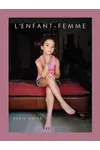
In some literary databases, the 2016 publication Rania Matar is listed alongside the Gooney Bird books. This is a cataloging error. Rania Matar is an acclaimed photographer, and her 2016 monograph L'Enfant-Femme is a collection of portraits focusing on pre-teen girls. Lois Lowry contributed an introductory essay to this art book, which led to it being linked to her bibliography, but it has no narrative connection to Watertower Elementary or Gooney Bird Greene.