
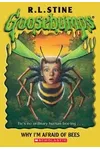
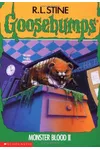
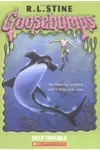
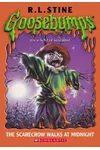
The Recommended Goosebumps Reading Path
Because the vast majority of Goosebumps books are standalone stories, there is no single "correct" order to read them. You do not need to follow a strict chronological sequence to understand the plots. However, for the best reading experience, starting with the original 62-book series published between 1992 and 1997 is highly recommended. These books established the signature blend of suburban mystery, twist endings, and lighthearted horror that defines the franchise.
The "Quick Start" Selection
If you want to sample the absolute best of the series before committing to a larger order, start with these seminal entries:
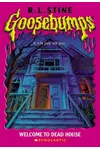
- Welcome to Dead House (Book 1): The book that started it all, offering a slightly darker, more traditional haunted house vibe than later entries.
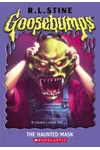
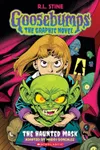
- The Haunted Mask (Book 11): Widely considered one of the finest stories in the collection, balancing genuine chills with a relatable story about fitting in.
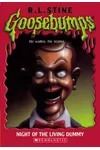
- Night of the Living Dummy (Book 7): The historic debut of Slappy, the evil ventriloquist dummy who would become the face of the entire franchise.
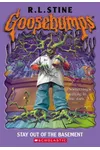
- Stay Out of the Basement (Book 2): A suspenseful, plant-based mystery that showcases R.L. Stine's ability to turn everyday fears into sci-fi horror.
Exploring by Theme or Monster
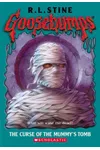
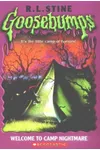
If you prefer to read by category, the books can easily be grouped by their central monsters. For example, if you enjoy mummy curses, you can pair The Curse of the Mummy's Tomb with Return of the Mummy. If you prefer summer camp scares, you can build a custom playlist featuring Welcome to Camp Nightmare, The Horror at Camp Jellyjam, and Ghost Camp.
What to Know Before You Start
Goosebumps was designed to offer thrilling but safe scares for middle-grade readers. R.L. Stine famously adheres to a formula where the protagonists are ordinary kids in familiar suburban settings who must solve supernatural problems without adult assistance. The tone balances spooky moments with humor, and chapters frequently end on cliffhangers.
Continuity is almost nonexistent across the main series, meaning characters rarely reappear outside of direct, numbered sequels (such as the Monster Blood or Night of the Living Dummy sequels). Furthermore, because of the massive publishing schedule in the 1990s, R.L. Stine worked with collaborators and ghostwriters for select spin-off series, particularly the TV novelizations, though the core books remain his signature work.
Understanding the Main Series and Subseries
To help you navigate the shelf, the Goosebumps universe is divided into several distinct eras and subseries, each with its own style and format:
The Original Goosebumps Series (1992–1997)
This is the classic, 62-book foundation. It introduces all the major tropes and recurring villains, including Slappy, the Lawn Gnomes, and Monster Blood. Reading these in publication order is a great way to watch the series develop its signature sense of humor.
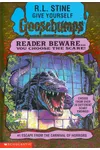
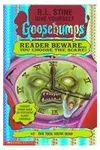
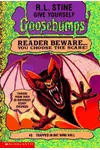
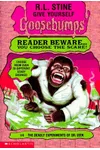
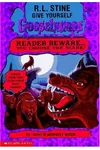
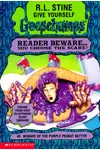
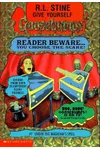
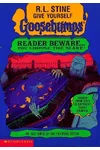
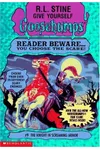
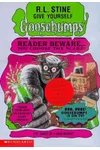
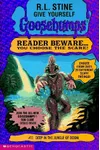
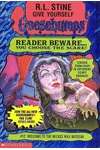
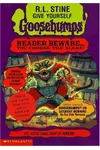
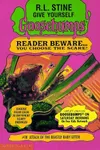
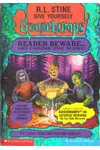
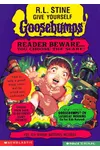
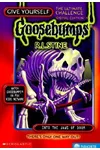
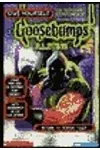
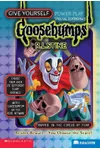
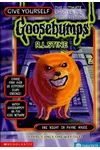
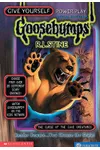
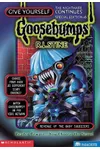
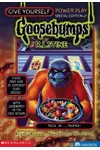
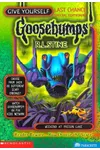
Give Yourself Goosebumps (Interactive Choose-Your-Own-Adventure)
Running for 42 standard books and 8 Special Edition volumes, this spin-off puts the reader in the protagonist's shoes. You make choices at the end of pages to navigate multiple endings—some successful, and many leading to creative, spooky defeats. Note that while historical databases cite this interactive series starting in 1995, some internal records and local catalogs list early volumes as early as 1991.
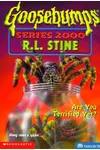
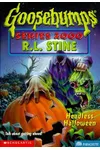
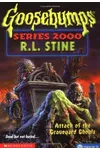
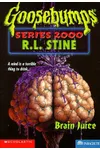
Goosebumps Series 2000 (1998–2000)
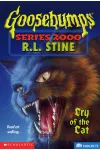
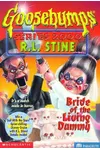
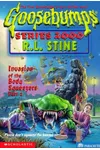
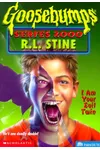
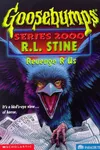
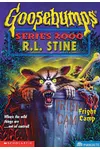
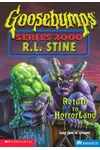
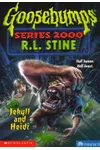
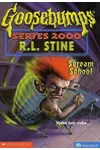
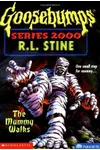
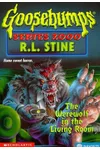
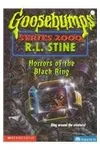
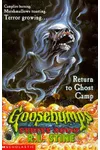
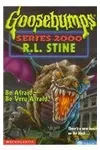
Launched immediately after the original series ended, this 25-book run was promoted as being slightly scarier and more modern for the turn of the millennium. It includes fan favorites like Cry of the Cat and sequels like Bride of the Living Dummy.
The Narrative Arcs: HorrorLand & Hall of Horrors
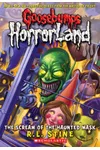
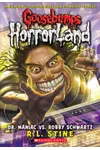
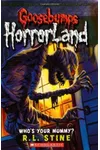
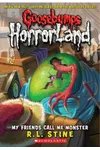
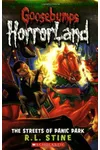
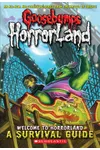
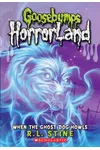
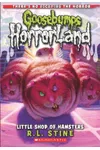
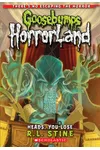
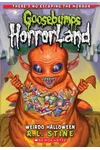
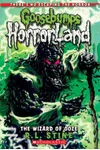
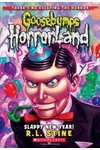
Unlike other Goosebumps books, the Goosebumps HorrorLand series (spanning two narrative arcs of 13 and 7 books, respectively) features an overarching storyline. The first half of each book functions as a standalone monster tale, while the second half follows the characters as they are trapped in a mysterious, scary amusement park. This series should be read in numerical order to appreciate the ongoing plot. Goosebumps: Hall of Horrors (6 books) followed a similar format, focusing on kids sharing their scary stories in a special hall within HorrorLand.
Most Wanted & SlappyWorld
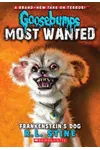
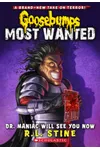
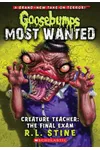
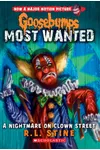
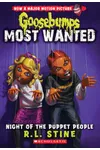
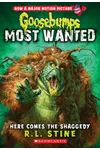
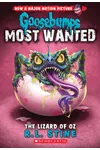
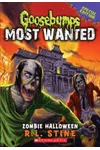
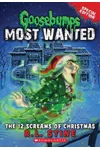
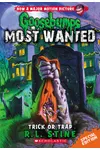
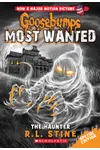
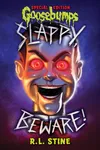
Goosebumps Most Wanted (10 books and 4 Special Editions) focuses on the return of the franchise's most popular villains. Goosebumps SlappyWorld (19 books, published 2017–2023) is hosted by Slappy the Dummy himself, who introduces each creepy story with his own sinister commentary.
Goosebumps Presents: The TV Tie-ins
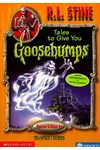
Published between 1996 and 1998, these 18 books are direct novelizations of episodes from the popular 1990s television adaptation. Written by ghostwriters adapting television scripts rather than Stine's original manuscripts, they are shorter, feature larger text, and include full-color stills from the show.
Chronological Caveats & Publication Curiosities
When tracking down the books, collectors should be aware of a few chronological oddities. For instance, the Give Yourself Goosebumps interactive books are widely cataloged in public sources as launching in 1995, yet certain library databases list their publishing years as starting in 1991. Additionally, the spin-off series Goosebumps Presents adapts TV episodes that were themselves adapted from the books, creating a circular adaptation loop where storylines sometimes change significantly between the original book, the TV episode, and the TV novelization.
Practical Reading Advice for Collectors and New Readers
If you are collecting physical copies, keep an eye out for the classic "raised bumps" logo on the covers of the original series and the early Goosebumps Presents printings, which were phased out in later editions. For a modern, active reading experience, look for Goosebumps: House of Shivers, which launched in 2023 and continues to release new scary stories, bringing R.L. Stine's spooky legacy to a whole new generation of readers.