










Introduction to the Grand Tour
Step into the thrilling cosmos of Ben Bova’s Grand Tour series, where humanity’s bold leap into the solar system unfolds with scientific realism and political intrigue. This sprawling saga of exploration, conflict, and discovery invites readers to journey across planets and moons, blending cutting-edge science with deeply human stories of ambition, survival, and hope. With over 20 novels and short stories, the Grand Tour captures a late 21st-century future where mankind battles environmental crises, religious divides, and corporate greed to colonize our celestial neighborhood.
Where to Start Your Journey
Because Bova designed the Grand Tour as a collection of largely standalone stories, readers have a few distinct entry points depending on their preference:
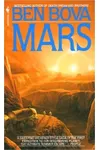
- Mars (1992): The most widely recommended starting point. It represents Bova's classic planet-focused storytelling, following Jamie Waterman and an international crew braving the Red Planet.
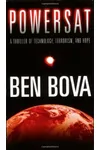
- Powersat (2005): The ideal start for chronological purists. This political thriller sets up the early technology and corporate espionage surrounding solar power satellites that shapes the rest of the universe.
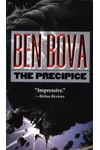
- The Precipice (2001): A great start for readers who love corporate rivalry, space industrialization, and political thrillers, kicking off the Asteroid Wars subseries.
The Major Subseries and Arcs
While the books can be read independently, they contain several tightly connected subseries that are best read in order:
The Moonbase Saga
This duology chronicles the battle to establish and defend the first permanent settlement on the Moon, focusing on corporate competition and environmental challenges. It consists of:
- Moonrise (1996)
- Moonwar (1997)
The Asteroid Wars
A four-book epic that details the brutal, high-stakes corporate warfare between visionaries like Dan Randolph and greedy monopolists like Martin Humphries over the mineral riches of the Asteroid Belt:
- The Precipice (2001)
- The Rock Rats (2002)
- The Silent War (2004)
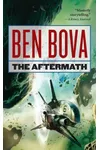
- Aftermath (2007)
The Star Quest Arc
As humanity begins to look beyond the boundaries of our solar system, a massive wave of lethal gamma radiation threatens the galaxy. This arc follows human efforts to explore interstellar space and warn other civilizations. The primary books in this sequence include:
- New Earth (2013)
- Death Wave (2015)
- Earth (2019)
Note: The complete Star Quest narrative also features the novels Apes and Angels (2016) and Survival (2017), which are key middle chapters of the trilogy taking place between Death Wave and Earth.
The Outer Planets Trilogy
Bova's final completed story arc focuses on the frozen, distant reaches of the solar system, exploring the extreme environments of Uranus and Neptune:
- Uranus (2020)
- Neptune (2021)
Note: This trilogy was intended to culminate in the posthumously published novel Pluto (2021), which represents the final book in Bova's grand vision.
Publication Order of The Grand Tour Books
For readers who want to experience the series exactly as Bova wrote and published it over three decades, follow this list:
- Privateers (1985)
- Mars (1992)
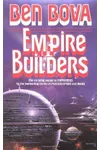
- Empire Builders (1993)
- Moonrise (1996)
- Moonwar (1997)
- Return to Mars (1999)
- Venus (2000)
- Jupiter (2000)
- The Precipice (2001)
- The Rock Rats (2002)
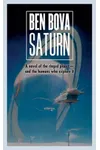
- Saturn (2003)
- The Silent War (2004)
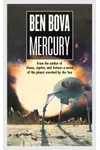
- Mercury (2005)
- Powersat (2005)
- Titan (2006)
- Aftermath (2007)
- Mars Life (2008)
- The Return (2009)
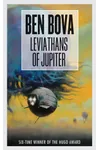
- Leviathans of Jupiter (2011)
- Farside (2013)
- New Earth (2013)
- Death Wave (2015)
- Earth (2019)
- Uranus (2020)
- Neptune (2021)
Chronological Order of The Grand Tour Books
If you prefer to follow the in-universe historical timeline of humanity's expansion into the solar system, use Bova's chronological sequence:
- Powersat (2005)
- Privateers (1985)
- Empire Builders (1993)
- Mars (1992)
- Moonrise (1996)
- Moonwar (1997)
- Return to Mars (1999)
- The Precipice (2001)
- Jupiter (2000)
- The Rock Rats (2002)
- The Silent War (2004)
- Aftermath (2007)
- Saturn (2003)
- Leviathans of Jupiter (2011)
- Titan (2006)
- Mercury (2005)
- Mars Life (2008)
- Venus (2000)
- The Return (2009)
- Farside (2013)
- New Earth (2013)
- Death Wave (2015)
- Earth (2019)
- Uranus (2020)
- Neptune (2021)
What to Know Before You Start
Because Bova wrote these novels over a span of thirty-five years, scientific knowledge and real-world technology progressed significantly during the series' publication. You might notice some technological discrepancies in early books compared to later releases. However, Bova's commitment to hard science fiction keeps the settings incredibly plausible. While it is unnecessary to read every single book to understand the universe, completing the individual subseries in order will provide the richest character development and narrative payoff.