






Where to Start Reading the Grant Stevens Series
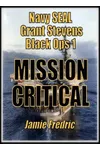
For readers eager to dive into the high-stakes world of Captain Grant Stevens, the ideal starting point is Mission Critical. Although the series officially launched in 2002, the narrative flow is best enjoyed by following the chronological order of the protagonist's career rather than the publication release sequence. Starting with Mission Critical ensures you witness the foundation of Stevens' partnership with Senior Chief Joe Adler from the very beginning, establishing key character dynamics, mutual trust, and shared history that remain critical throughout the remaining twenty-plus books.
Publication Order vs. Chronological Order
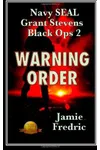
The Grant Stevens series features a slight mismatch between when the books were written and where they fall in the timeline. The series originally debuted with Warning Order in 2002. However, author Jamie Fredric later penned a prequel, Mission Critical, in 2010 to explore the origins of Stevens' intelligence career and his alliance with Adler. Reading chronologically is highly recommended by fans of the series to preserve character continuity and the natural progression of historical events, particularly as the early books move from the final years of the Cold War into modern conflicts.
Recommended Chronological Reading Order
To experience the narrative timeline as it was meant to be lived, follow this sequence:
- Mission Critical (2010)
- Warning Order (2002)
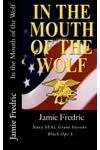
- In the Mouth of the Wolf (2011)
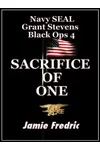
- Sacrifice of One (2012)
- Last Op (2012)
- Shanghai Mission (2013)
- Code Name Antares (2013)
- Operation Gold Eagle (2014)
- Silent Vengeance (2014)
- The Bratva Heist (2015)
- Operation Eagle Strike (2016)
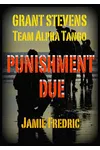
- Punishment Due (2016)
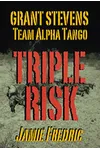
- Triple Risk (2017)
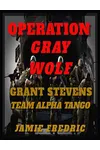
- Operation Gray Wolf (2017)
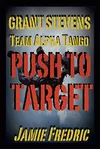
- Push To Target (2018)
- The Russia Sanction (2019)
- Ominous Intent (2019)
- Perilous Agenda (2020)
- Toxic Revenge (2021)
- Night of Carnage (2022)
- Race To Target (2023)
The Publication Order Sequence
If you prefer to see how Jamie Fredric's writing style and the series evolved over time, you can opt to read the books in order of their release date. Note that this means you will jump backward in time after reading the first book:
- Warning Order (2002)
- Mission Critical (2010)
- In the Mouth of the Wolf (2011)
- Sacrifice of One (2012)
- Last Op (2012)
- Shanghai Mission (2013)
- Code Name Antares (2013)
- Operation Gold Eagle (2014)
- Silent Vengeance (2014)
- The Bratva Heist (2015)
- Operation Eagle Strike (2016)
- Punishment Due (2016)
- Triple Risk (2017)
- Operation Gray Wolf (2017)
- Push To Target (2018)
- The Russia Sanction (2019)
- Ominous Intent (2019)
- Perilous Agenda (2020)
- Toxic Revenge (2021)
- Night of Carnage (2022)
- Race To Target (2023)
Breaking Down the Major Storylines and Missions
The Grant Stevens series stands out in the military thriller genre due to the real-world operational knowledge that author Jamie Fredric brings to the table. As a retired U.S. Navy SEAL, Fredric infuses each mission with authentic tactics, military hierarchy, and specialized jargon. The narrative is divided into distinct geopolitical eras and operational phases:
The Cold War Operations
The earliest chronological entries in the series are set against the backdrop of the late Cold War. In Mission Critical, Stevens and Adler work together to foil a dangerous Soviet operation to seize a cutting-edge U.S. warship. Warning Order continues this trajectory by sending the duo deep behind the Iron Curtain into Soviet territory to disrupt a conspiracy aiming to eliminate moderate Russian leaders, necessitating an uneasy alliance with a KGB operative. These early books capture the paranoia and high stakes of 20th-century espionage.
The Legacy of Past Conflicts
Fredric frequently explores the emotional and moral aftermath of military history. A prime example is Sacrifice of One, which focuses on the dangerous and politically sensitive task of retrieving American POWs left behind in Vietnam. This book highlights the themes of military brotherhood, loyalty, and the refusal to leave anyone behind, which are central to the SEAL ethos.
Elite Counter-Terrorism and Global Hotspots
As the series moves forward into the post-Cold War and modern eras, Stevens and the operatives of Team Alpha Tango encounter a wider variety of threats. In Shanghai Mission, the team is deployed to East Asia, navigating intense regional friction. In Code Name Antares, Operation Gold Eagle, and Silent Vengeance, they deal with black-market weapons of mass destruction, rogue states, and international terrorist cells. The scale expands even further in The Bratva Heist, where they go head-to-head with the Russian mafia in a high-stakes criminal operation.
Modern Espionage and Evolving Threats
In the later entries, such as The Russia Sanction, Toxic Revenge, and Race To Target, the series shifts toward contemporary warfare. Stevens deals with advanced cyber threats, biochemical weapons, and sophisticated political assassinations. Fredric keeps the formula fresh by adapting the operational difficulties to match modern-day security realities while keeping the core focus on the characters' resourcefulness and endurance.
What to Know Before You Start
To get the most out of your reading experience, keep these details in mind:
- Technical Authenticity: Readers should expect a heavy dose of military terminology, naval codes, and tactical acronyms. While this provides unparalleled realism, it can require some patience for newcomers to military thrillers.
- Character Continuity: The relationship between Grant Stevens and Joe Adler is the heartbeat of the series. While each book features a self-contained mission, their personal camaraderie and development span the entire run.
- Author Background: Jamie Fredric's firsthand knowledge of special operations gives the books an insider perspective that civilian writers cannot easily replicate, particularly in the depiction of tactical maneuvers and the psychological weight of command.