


How to Read the Harry Devlin Series
If you are planning to dive into Martin Edwards' atmospheric Liverpool crime series, the best path forward is simple: read the books in publication order. The series follows the professional career and turbulent personal life of solicitor Harry Devlin, and the overarching character development, personal losses, and evolving relationship dynamics flow chronologically from the first novel to the last.
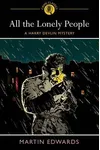
The series begins with All the Lonely People, where Harry is introduced as a down-at-heel solicitor who finds himself suspected of his own estranged wife's murder. Reading the books sequentially allows you to experience Harry’s growth as both a legal professional and a reluctant investigator, as well as the dramatic transformation of the city of Liverpool itself over nearly two decades.
Harry Devlin Books in Publication Order
Martin Edwards published seven Harry Devlin novels during the 1990s, followed by a decade-long hiatus before returning to write a final, eighth novel in 2008. All of the titles in the series are named after famous 1960s pop songs, adding a retro, noir-adjacent flavor to the books. Here is the complete list of novels in order of publication:
- All the Lonely People (1991) – When Harry Devlin's estranged wife Liz is brutally murdered, Harry finds himself at the top of the police's suspect list. Desperate to prove his innocence and devastated by her death, he is forced to investigate her secret life. His search leads him deep into the seedy Liverpool underworld, exposing betrayals that hit painfully close to home.
- Suspicious Minds (1992) – Following the events of the debut, Harry is hired to locate a client’s missing wife. What starts as a standard missing person search turns deadly when her daughter also vanishes without a trace. As Devlin untangles a web of deceit, domestic abuse, and hidden agendas, he must confront his own lingering grief.
- I Remember You (1993) – A suspicious death that at first appears to be an accident or suicide pulls Harry into a dark conspiracy. As he digs deeper, he uncovers a malicious blackmail ring targeting vulnerable individuals. The case tests Harry's legal ethics and puts his life in jeopardy as he encounters people desperate to keep their secrets buried.
- Yesterday's Papers (1994) – Seeking a distraction from his personal troubles, Harry takes on a cold case: the unsolved murder of a young girl that occurred thirty years earlier. The investigation requires Harry to interview witnesses whose memories have faded—or who have active reasons to lie. As he stirs up decades-old secrets, Harry discovers that past crimes can still have lethal consequences in the present.
- Eve of Destruction (1996/1997) – The stakes become intensely personal when an arsonist burns down Harry's legal offices, resulting in the tragic death of a close colleague. It quickly becomes clear that Harry himself was the intended target. To survive, Harry must figure out which of his former clients or enemies holds a grudge deep enough to justify mass murder.
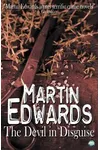
- The Devil in Disguise (1998) – Entangled in the affairs of a wealthy, influential client, Harry finds himself navigating high-society drama that quickly turns fatal. When threats escalate to murder, Harry must determine if the killer is an outsider or someone close to the family, all while managing his increasingly complicated relationship with Valerie Kaiwar.
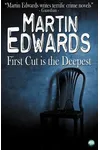
- First Cut is the Deepest (1999) – A dispute over a copyright contract seems like a dry legal matter, but it quickly spirals into a dark story of obsession and vengeance. When key players in the dispute start turning up dead, Harry is forced to navigate a maze of artistic jealousy and buried grudges to stop a killer before he becomes the next victim.
- Waterloo Sunset (2008) – Published ten years after the previous installment, this final novel finds a mature Harry Devlin navigating a transformed Liverpool. As the city celebrates its status as the European Capital of Culture, a serial killer begins targeting young women. Harry is drawn into the case, bringing him face-to-face with a ruthless murderer in a thrilling conclusion to the saga.
The Harry Devlin Short Stories
In addition to the eight full-length novels, Martin Edwards wrote eight short stories featuring Harry Devlin. Like the novels, these short stories all share their titles with popular 1960s tracks. While they were originally published in various anthologies and magazines, they are easily accessible in Edwards’ comprehensive short story collection, Where Do You Find Your Ideas? and other stories, published in 2001.
The eight short stories featuring Harry Devlin are:
- "It's Impossible"
- "The Boxer"
- "When I'm Dead and Gone"
- "Never Walk Alone"
- "I Say a Little Prayer"
- "My Ship Is Coming In"
- "With a Little Help From My Friends"
- "A House Is Not a Home"
While these short stories offer great bitesize mysteries, they are optional reading. You do not need to read them to follow the main plot of the novels, but they provide excellent extra flavor for dedicated fans of the series.
What to Know Before You Start
Before jumping into the series, there are several key elements that make Martin Edwards’ work stand out in the British crime fiction landscape:
- A Changing Liverpool: The setting of Liverpool is a character in its own right. The early novels capture the grit, industrial decline, and shadows of the post-Thatcher 1990s. By the time Waterloo Sunset was published in 2008, the city was undergoing massive regeneration, reflecting its status as the Capital of Culture. Watching the city evolve alongside Harry is one of the series' greatest pleasures.
- Authentic Legal Detail: Because Martin Edwards is himself a practicing solicitor based in the region, the legal elements of the novels are exceptionally realistic. Unlike American courtroom dramas, this series highlights the everyday reality of a British solicitor dealing with legal aid, probate, property disputes, and local clients.
- The 1960s Soundtrack: Every book and short story is named after a track from the 1960s. This isn't just a quirky formatting choice; the themes of the songs often subtly mirror the emotional and narrative beats of the mysteries themselves.
Can the Books Be Read as Standalones?
While each novel features a self-contained mystery with a resolved case, the personal life of Harry Devlin undergoes significant, permanent changes from book to book. Crucial subplots—such as his relationships with women like Valerie Kaiwar and Juliet May, his ongoing grief and investigations regarding his late wife Liz, and the state of his legal practice—develop over the course of the series. Therefore, we highly recommend reading them in order to avoid major spoilers regarding Harry’s personal life.
The Unique Tone: Legal Grit Meets Liverpool Noir
Unlike traditional legal thrillers that focus heavily on high-stakes courtroom theatrics, the Harry Devlin series leans into the everyday realities of a high-street solicitor. Harry is not a wealthy corporate lawyer; he runs a modest practice, dealing with legal aid cases, family law, and minor criminal offenses. This puts him in direct contact with the ordinary citizens and low-life characters of Liverpool, providing a grounded, authentic perspective on crime and justice.
Furthermore, the series pioneered a distinct brand of 'Merseyside Noir'. While the books contain the classic puzzles of a traditional whodunit, they are wrapped in the atmospheric, melancholic tone of noir fiction. The docks, the rainy streets, the local pubs, and the Mersey river itself serve as more than just backdrops; they reflect Harry's internal landscape of grief, self-deprecation, and determination.
Critical Reception and Legacy
Martin Edwards' debut novel, All the Lonely People, was shortlisted for the prestigious John Creasey Memorial Dagger (now the New Blood Dagger) by the Crime Writers' Association. The series has been widely praised by fellow crime novelists and critics alike. Val McDermid has lauded the series for its sharp plotting, while Frances Fyfield highlighted the depth and humanity of Edwards' characterization. The books helped establish Edwards as a leading voice in modern British crime fiction, paving the way for his later Lake District mysteries and his extensive work as a crime fiction historian and editor.