
How to Read the Harry Erskine Series
For the best experience, the Harry Erskine series (also widely referred to as the Manitou series) should be read in publication order. Because the books follow Harry’s personal growth from a cynical, fraudulent fortune teller into a battle-hardened mystic, reading them sequentially ensures you appreciate the character development and the escalating stakes of his supernatural encounters.
The Recommended Reading Path
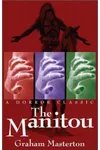
- The Manitou (1976) – The iconic horror classic that introduces Harry Erskine and his recurring nemesis, the vengeful Algonquin shaman Misquamacus.
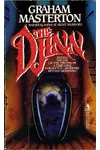
- The Djinn (1977/1978) – A mythology detour where Harry investigates his godfather's suicide and deals with a cursed jar containing a shape-shifting Arabian genie.
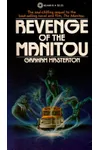
- Revenge of the Manitou (1979) – Misquamacus returns, this time possessing a young boy to unleash dark forces.
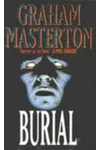
- Burial (1991) – An apocalyptic entry where whole cities are threatened by a massive spiritual assault, forcing Harry to seek the aid of his old ally, medicine man John Singing Rock.
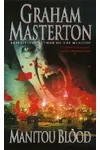
- Manitou Blood (2005) – A terrifying scenario where New York City is overrun by vampire-like entities rooted in ancient lore.
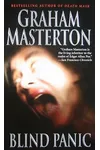
- Blind Panic (2009) – A sudden epidemic of blindness strikes the United States, orchestrating a massive societal collapse that Harry must stop alongside psychic Amelia Crusoe.
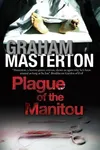
- Plague of the Manitou (2015) – Harry partners with a viral researcher to confront a supernatural epidemic causing violent possessions.
Publication Order vs. Chronological Order
Fortunately, the chronological order of the Harry Erskine series matches the publication order exactly. The narrative moves forward in time, keeping pace with the decades in which the books were written. However, readers should be prepared for significant real-world gaps in publication. For example, there is a twelve-year gap between Revenge of the Manitou (1979) and Burial (1991), and another fourteen-year gap before Manitou Blood (2005). Masterton successfully updates the technology and cultural backdrop of the later books to reflect these jumps, keeping Harry’s world feeling contemporary to when each novel was published.
The Mythology and Main Antagonists
The core of the series revolves around Misquamacus, an ancient Native American medicine man who seeks revenge against European descendants for the historical injustices and massacres committed against his people. This theme of historical guilt runs deep throughout the books, providing a dark, reflective undercurrent to the visceral scares. The second book, The Djinn, is a notable exception that swaps Native American spiritualism for Arabian mythology, offering a standalone adventure that expands Harry's mystical experiences beyond his struggle with Misquamacus.
What to Know Before You Start
- Tone and Gore: Masterton is a pioneer of visceral, highly graphic British horror. Expect intense, creative body horror, starting right from the premise of The Manitou (where a shaman is reborn out of a tumor on a woman's neck).
- Standalone Potential: While there is a loose overarching continuity regarding Harry's reputation and his past victories, Masterton wrote each book so it can be enjoyed as a standalone horror thriller. You won't be lost if you pick up a later book first, but starting from the beginning remains highly recommended.
- Key Allies: Harry rarely fights alone. His recurring allies, such as the Native American medicine man John Singing Rock and the genuine psychic Amelia Crusoe, ground the stories and balance Harry's cynical, street-smart demeanor.