






How to Read the Harry Palmer Novels in Order
Len Deighton's spy novels redefined the espionage genre during the heights of the Cold War. In his original novels, the protagonist is never named, serving as a cynical, working-class contrast to the glamorous, high-flying world of James Bond. However, when these books were adapted for the big screen starting with The Ipcress File in 1965, the filmmakers gave the character the name Harry Palmer, immortalized by Michael Caine. Today, both readers and publishers widely refer to this sequence as the Harry Palmer series.
Because the protagonist's career progresses and the Cold War landscape shifts chronologically, the absolute best way to experience these books is in publication order. Below is the recommended reading path based on the local database and historical publications.
1. The Ipcress File (1962)
This is where it all begins. Introducing the anonymous narrator, The Ipcress File throws readers into the mundane bureaucracy of W.O.O.C.(P)—an obscure, underfunded department of British Intelligence. The plot revolves around the disappearance of top scientists and a suspected brainwashing conspiracy (the IPCRESS program). It remains a landmark debut that stripped the glamour from fictional spying, trading martinis and sports cars for administrative paperwork, budget disputes, and moral ambiguity.
2. Horse Under Water (1962)
In his second outing, the unnamed spy is sent on an apparently simple diving mission off the coast of Portugal to salvage a sunken German U-boat. What starts as a hunt for counterfeit currency quickly unravels into a complex web of drug trafficking, local politics, and a conspiracy involving senior British figures who were prepared to collaborate with the Nazis during World War II.
3. Funeral in Berlin (1964)
Widely considered a high-water mark of Cold War fiction, this installment takes the protagonist to the divided city of Berlin. His task is to arrange the defection of a Soviet scientist named Semitsa. Navigating the Berlin Wall, double agents, and the complex scheming of KGB Colonel Stok, the narrator is forced to figure out who is actually on his side in a game where loyalty is a luxury.
4. Billion-Dollar Brain (1966)
This novel moves the action from the streets of Europe to the icy landscapes of Finland and Latvia. The spy must stop a private, computer-controlled espionage organization run by General Midwinter, a fanatical anti-communist Texas billionaire. The story explores the early anxieties surrounding automated decision-making in warfare and the dangerous combination of extreme wealth and ideology.
5. An Expensive Place to Die (1967)
Set in Paris, this book takes a slightly different approach by mixing the classic first-person narration with third-person interludes. The protagonist is tasked with preventing a nuclear testing secrets leak that could disrupt the global balance of power. The setting moves through high-class Parisian salons and alternative clinics, offering a decadent, paranoid picture of late-1960s espionage.
6. Spy Story (1974)
After a multi-year gap, Deighton returned to the world of W.O.O.C.(P) with Spy Story. The protagonist of this novel is named Patrick Armstrong, an ex-agent working at a military war games center. While the book features recurring characters such as Colonel Stok and Dawlish, Deighton later clarified that Armstrong is not the exact same narrator from the first five books, but rather a "close relative" in archetype. However, the themes and personnel connect it directly to the broader Palmer universe.
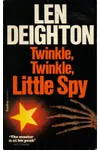
7. Twinkle, Twinkle Little Spy / Catch a Falling Spy (1976)
Also published in North America under the title Catch a Falling Spy, this novel returns to the classic unnamed narrator. The plot centers on the defection of a Soviet scientist in North Africa and escalates into a global chase involving American intelligence, local rebel forces, and the Sahara desert. It serves as a fitting end to the primary era of Deighton's anonymous spy novels.
What to Know Before You Start
Before diving into the novels, readers should keep a few critical elements in mind to avoid confusion:
- The Name Discrepancy: You will never see the name "Harry Palmer" written in the text of these books. The protagonist's anonymity was a deliberate choice by Deighton to emphasize that his hero was a cog in a bureaucratic machine.
- The Department: The spy works for W.O.O.C.(P). While the acronym is never fully spelled out in the novels, Deighton later suggested the "W.O." stood for the War Office and the "(P)" for Provisional. It is presented as a tiny, cynical, and administrative intelligence department that reports directly to the Cabinet.
- The Anti-Bond Aesthetic: Unlike the globetrotting James Bond, the nameless hero is an avid home cook, wears cheap glasses, worries about his pension, and spends a significant amount of time filling out expense reports and arguing with his boss, Mr. Dawlish.
- Separation from Bernard Samson: Len Deighton wrote another highly acclaimed, massive spy saga featuring Berlin agent Bernard Samson (beginning with Berlin Game in 1983). That is a completely separate universe and protagonist.