
The Recommended Reading Path
For newcomers and returning fans alike, the absolute best way to experience the magic of Hogwarts is to read the main seven novels in their original publication order. J.K. Rowling structured the series so that both the complexity of the plot and the maturity of the writing grow with the characters. Reading the main sequence first provides the essential foundation needed to appreciate any companion books or spin-offs.
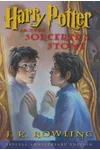
Note that the first book has two different titles: it was published in the United Kingdom as Harry Potter and the Philosopher's Stone, but was renamed Harry Potter and the Sorcerer's Stone for the United States market. Despite the title change, the story remains the same.
The Main Series Sequence
- Harry Potter and the Philosopher's / Sorcerer's Stone (1997)
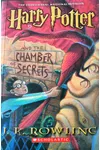
- Harry Potter and the Chamber of Secrets (1998)
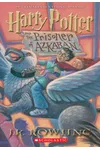
- Harry Potter and the Prisoner of Azkaban (1999)
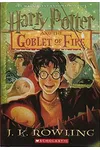
- Harry Potter and the Goblet of Fire (2000)
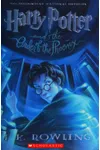
- Harry Potter and the Order of the Phoenix (2003)
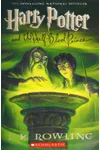
- Harry Potter and the Half-Blood Prince (2005)
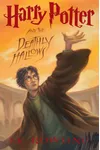
- Harry Potter and the Deathly Hallows (2007)
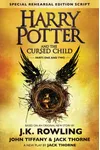
- Harry Potter and the Cursed Child (2016)
The eighth installment, Harry Potter and the Cursed Child, is not a traditional novel but the official rehearsal script of the two-part West End stage play. Co-authored by J.K. Rowling, Jack Thorne, and John Tiffany, it picks up nineteen years after the events of the final book, following Harry and his son Albus Severus Potter.
Understanding the Chronological Timeline
While publication order is highly recommended, experienced readers looking for a re-read might enjoy exploring the Wizarding World chronologically. The chronological sequence rearranges the spin-off screenplays and short prequels based on when their story events take place. The timeline spans from the 1920s to the 2010s:
- Fantastic Beasts Screenplays (1926–1930s): These screenplays follow magizoologist Newt Scamander and the rise of Gellert Grindelwald, taking place decades before Harry's birth.
- Harry Potter: The Prequel (circa 1977): An 800-word short story focusing on James Potter and Sirius Black as teenagers evading Muggle police officers.
- The Main Harry Potter Series (1991–1998): Each book covers a consecutive school year at Hogwarts.
- Harry Potter and the Cursed Child (2017–2020s): Begins during the epilogue of Deathly Hallows and moves forward through Albus Potter's school years.
Reading chronologically on a first pass is not recommended. The prequel elements assume you are already familiar with the magical rules, historical figures, and terminology introduced in the main books, and they can spoil key plot revelations.
Subseries and Companion Books
Beyond the core narrative, the Wizarding World has expanded through several subseries and collections. These books enrich the lore, providing historical context, school textbook replicates, and behind-the-scenes essays.
The Hogwarts Library Books
Originally written for charity (Comic Relief and Lumos), these spin-off companion volumes are designed to look like real books from the Hogwarts universe. They are best read after Book 4 (Goblet of Fire), when the scope of the magical world has widened:
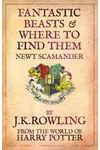
- Fantastic Beasts and Where to Find Them (2001) – A replica of Harry's own copy of the famous textbook, complete with handwritten doodles by Harry and Ron.
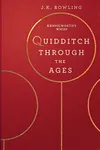
- Quidditch Through the Ages (2001) – A detailed history of the wizarding sport, written under the pseudonym Kennilworthy Whisp.
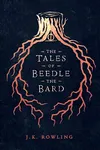
- The Tales of Beedle the Bard (2008/2016) – A collection of magical fairy tales translated from the ancient runes by Hermione Granger, featuring commentary by Albus Dumbledore.
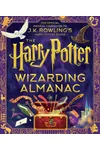
- The Harry Potter Wizarding Almanac (2023) – A comprehensive visual guide containing maps, timelines, and infographics.
The Screenplay Books
J.K. Rowling made her screenwriting debut with the Fantastic Beasts movie series. The published screenplays present the literal scripts of the films:
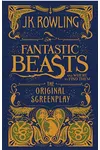
- Fantastic Beasts and Where to Find Them: The Original Screenplay (2016)
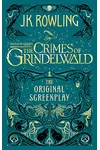
- Fantastic Beasts: The Crimes of Grindelwald – The Original Screenplay (2018)
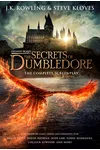
- The Secrets of Dumbledore – The Complete Screenplay (2022)
Pottermore Presents & Journeys
For readers seeking deeper lore, short eBook series compile essays, histories, and background notes compiled from the archives of Pottermore (now Wizarding World):
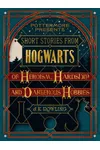
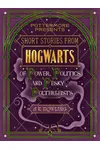
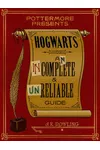
- Pottermore Presents (2016): Three eBooks exploring different aspects of Hogwarts lore, including Ilvermorny School of Witchcraft and Wizardry (originally published on the website), Short Stories from Hogwarts of Heroism, Hardship and Dangerous Hobbies, Short Stories from Hogwarts of Power, Politics and Pesky Poltergeists, and Hogwarts: An Incomplete and Unreliable Guide.
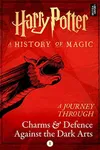
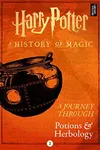
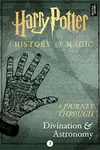
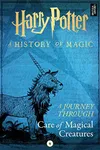
- A Journey Through... (2019): Four short eBooks adapted from the Harry Potter: A History of Magic audiobook. They explore the real-world history, myths, and folklore behind Hogwarts school subjects.
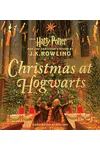
- Christmas at Hogwarts (2024): A beautifully illustrated picture book by Ziyi Gao, adapting the magical Christmas chapter directly from the first novel.
Practical Advice for Readers
Can you read these books as standalones? The short answer is no. The main Harry Potter sequence tells a continuous story, and starting anywhere other than the first book will leave you confused by the evolving plot and complex character relationships. The companion books, while fun, rely heavily on the reader's pre-existing knowledge of the universe.
For the best experience, start with Harry Potter and the Philosopher's / Sorcerer's Stone. Read the first three books consecutively. Once you reach Harry Potter and the Goblet of Fire, you can safely dip into the Hogwarts Library books whenever you want a break from the main plot. Hold off on reading Harry Potter and the Cursed Child and the Fantastic Beasts screenplays until you have finished the main seven books, as they build directly on the resolutions of the original series.
What to Know Before You Start
One of the most unique aspects of Harry Potter is its tone transition. The series begins as whimsical middle-grade children's literature but gradually matures into a dark, complex young adult fantasy. By the time you reach Harry Potter and the Goblet of Fire, the books double in length and introduce heavier themes of mortality, discrimination, political corruption, and sacrifice. Preparing younger readers for this shift can help them transition smoothly as the stakes grow higher.