


The Recommended Reading Order for Hell on Earth
For the ultimate experience, readers should follow the publication order of the Hell on Earth series. Because this is a continuous, chronological story with a sprawling cast of characters whose paths eventually converge, reading them out of sequence will result in major spoilers. The official reading order is as follows:
- The Gates (2015)
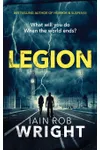
- Legion (2016)
- Tar (2016) — A companion novella (Book 2.5) that can be read after Legion or skipped, though it adds valuable flavor to the setting.
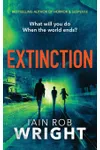
- Extinction (2017)
- Defiance (2018)
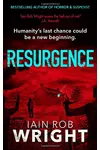
- Resurgence (2019)
- Rebirth (2020)
Breaking Down the Hell on Earth Series
The Gates (Book 1)
The apocalypse begins in The Gates, published in 2015. The story introduces a terrifying premise: mysterious black stones appear across the globe, opening portals directly to Hell and unleashing legions of bloodthirsty demons. Instead of a single protagonist, the novel utilizes a multi-perspective structure. We follow Guy Granger, a US Coast Guard captain embarking on a desperate voyage across a chaotic Atlantic to find his children; Mina Magar, a photojournalist who documents the unfolding nightmare on the streets of London; and Rick Bastion, a washed-up, arrogant pop star forced to fight for survival. This book sets the stage, establishing a global crisis with intensely personal stakes.
Legion (Book 2)
Released in 2016, Legion shifts focus to a fresh set of characters elsewhere in the world, showing how different regions and people are coping with the demonic invasion. This entry expands the lore and scale of the disaster, introducing Vamps, a street-smart young man who becomes an immediate fan favorite; Richard Honeywell, a police officer trying to maintain order in a collapsing society; and Lieutenant Hernandez, a US Navy officer struggling to coordinate a military response against a supernatural enemy that defies conventional warfare. By splitting the focus, Wright builds a broader picture of a world on the brink of total annihilation.
Tar (Book 2.5 Novella)
Also published in 2016, Tar is a localized companion novella that takes place within the UK. It follows a man named Finley on a gritty quest for personal vengeance while the country collapses around him under the weight of the demonic threat. While Tar is not strictly mandatory to understand the core plot of the main novels, it is highly recommended for readers who want to experience the full scale of the world-building and see how the average citizen survives the end of days.
Extinction (Book 3)
In Extinction (2017), the narrative threads from the first two books begin to collide. The surviving characters from The Gates and Legion cross paths as the global situation deteriorates from localized crises to an extinction-level threat. The sheer scale of the demonic invasion forces the disparate groups of survivors to coordinate and attempt a unified stand, shifting the series from survival horror into an epic, post-apocalyptic war story.
Defiance (Book 4)
Published in 2018, Defiance focuses on the remnants of humanity establishing strongholds and fighting back. Instead of merely running and hiding, the characters actively defend their positions and look for ways to close the portals. The novel is characterized by intense action sequences, high stakes, and significant losses, demonstrating that survival comes at a terrible cost.
Resurgence (Book 5)
Released in 2019, Resurgence marks the turning point where humanity begins to organize a true counter-offensive. As secrets about the origins of the black stones and the nature of the demonic hierarchy are revealed, the surviving characters attempt to strike back at the heart of the invasion. The pacing accelerates as the narrative builds toward its final resolution.
Rebirth (Book 6)
The saga culminates in Rebirth (2020), which delivers the final showdown between the remaining forces of humanity and the ultimate demonic mastermind, Crimolok. This book provides a definitive conclusion to the storyline, wrapping up the character arcs of Guy Granger, Vamps, Mina Magar, and the other survivors, while offering a poignant reflection on human resilience and hope.
Publication Order vs. Chronological Order
Fortunately for readers, there is no complex timeline manipulation required to enjoy the series. The chronological order of the narrative matches the publication order of the books. The only minor point of variation is the placement of the novella, Tar. Because it takes place concurrently with the events of the early books and details a side story in the United Kingdom, it is best read between Legion (Book 2) and Extinction (Book 3). Reading it before The Gates is not recommended, as it assumes the reader is already familiar with the nature of the demonic invasion and the black stones.
Understanding the "Wright-verse"
Iain Rob Wright is famous among horror fans for creating interconnected stories and recurring characters across his extensive bibliography. Most notably, his "Damienverse" includes hit thrillers like Sam, ASBO, The Final Winter, The Housemates, Sea Sick, Ravage, and Savage. However, readers should note that the Hell on Earth series is a separate, self-contained apocalyptic narrative. You do not need to read the Damienverse or his other series (such as The Cursed Manuscripts) to understand the events of Hell on Earth. While they share Wright's signature fast-paced, visceral writing style and dark themes, the demonic apocalypse in Hell on Earth is its own distinct continuity.
Practical Reader Advice
If you are planning to dive into Hell on Earth, keep these tips in mind:
- Start at the beginning: Do not attempt to read these books as standalones. The plot is highly serialized, and characters carry physical and emotional scars from one book directly into the next. The Gates is the only logical starting point.
- Novella necessity: You can skip Tar if you only want the main storyline, but reading it adds depth to the UK setting and introduces Finley, whose perspective adds color to the apocalyptic landscape.
- Co-authored works: Unlike some of Wright's other books or anthologies, the Hell on Earth series is entirely written by Iain Rob Wright, ensuring a consistent tone and style throughout the six novels and one novella.