






The Recommended Reading Order
For the best experience riding along with Jed Herne, you should read the series in its original publication order. The narrative begins with Herne's personal tragedy and follows his grueling, wearisome journey as a bounty hunter and hired gun. Fortunately, the chronological timeline of Jed's life matches the order in which the books were released, making your reading path straightforward.
Here is the complete publication and chronological list of the Herne the Hunter novels:
- White Death (1976) — Written by Laurence James
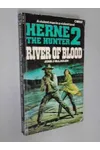
- River of Blood (1976) — Written by John Harvey
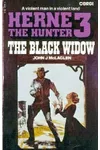
- The Black Widow (1977) — Written by Laurence James
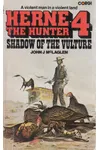
- Shadow of the Vulture (1977) — Written by John Harvey
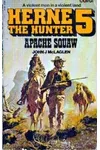
- Apache Squaw (1977) — Written by Laurence James
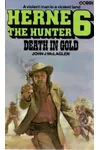
- Death in Gold (1977) — Written by John Harvey
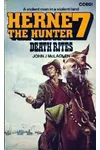
- Death Rites (1978) — Written by Laurence James
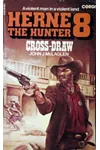
- Cross Draw (1978) — Written by John Harvey
- Massacre! (1978) — Written by Laurence James
- Vigilante! (1978) — Written by John Harvey
- Silver Threads (1979) — Written by Laurence James
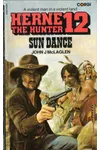
- Sun Dance (1979) — Written by John Harvey
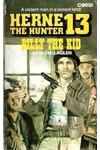
- Billy the Kid (1980) — Written by John Harvey
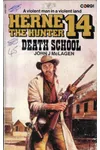
- Death School (1980) — Written by Laurence James
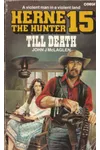
- Till Death (1981) — Written by John Harvey
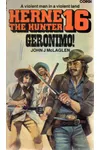
- Geronimo! (1981) — Written by Laurence James
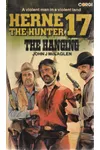
- The Hanging (1981) — Written by Laurence James
- Dying Ways (1982) — Written by John Harvey
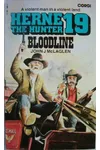
- Bloodline (1982) — Written by Laurence James
- Hearts of Gold (1982) — Written by John Harvey
- Pony Express (1983) — Written by Laurence James
- Wild Blood (1983) — Written by John Harvey
- Texas Massacre (1984) — Written by Laurence James
- The Last Hurrah (1984) — Written by Laurence James
Chronological Flow and Reading Caveats
While the overall series progresses forward in time, you don't need to worry about complex flashbacks, alternate timelines, or confusing prequels. The biggest caveat for readers lies in the shifting authorship. Because Laurence James and John Harvey alternated writing duties under their collective pseudonym, the tone and structural focus of the books can shift slightly from one installment to the next.
Laurence James (who penned the odd-numbered books, plus the finale) specialized in high-octane, fast-paced action sequences and lean, mean prose. John Harvey (who wrote most of the even-numbered entries, beginning with River of Blood) often leaned into historical realism, atmospheric descriptions, and a deeper exploration of the frontier's social struggles. Understanding this alternating dynamic will help you appreciate the slight variations in storytelling style as you progress through the list.
What to Know Before You Start
Before you dive headfirst into the series, it is helpful to understand the cultural era that birthed Jed Herne. The mid-1970s saw a massive shift in Western literature. Traditional, clean-cut cowboy tales were replaced by gritty, violent, and morally gray narratives heavily inspired by the Spaghetti Western movies of Sergio Leone.
The authors were key figures in the "Piccadilly Cowboys"—a group of British writers who dominated the Western paperback market in the 70s and 80s. Consequently, the series features an unflinching depiction of violence, abuse, and lawlessness. Jed Herne himself is not a classic hero; he is a tired, cynical bounty hunter who rarely finds peace or happiness, driven strictly by vengeance and the contracts he signs. If you enjoy character-driven crime fiction and raw, action-oriented Westerns like the Edge series, this will be right up your alley.
Key Books and Historical Cameos
While the initial books establish Herne's character and his drive for retribution, several entries stand out for their unique premises and historical integration. For instance, in Apache Squaw (Book 5), the narrative challenges typical genre tropes by introducing a complex female character, Emmie-Lou Parsons, whose search for freedom from an abusive husband complicates Herne's mission.
As the series progresses, Jed Herne also crosses paths with legendary real-life historical figures of the American West. In Billy the Kid (Book 13) and Geronimo! (Book 16), the authors blend their fictional universe with historical reality, creating memorable encounters that anchor Herne's adventures in the real timeline of the frontier.
Practical Reader Advice
Can these books be read as standalones? Yes, to an extent. Most of the middle entries feature self-contained bounty-hunting missions that can be enjoyed individually. However, reading the series from the beginning is highly recommended. The emotional core of Jed Herne's journey starts in White Death, where his wife's murder sets him on the vengeance trail. Starting here makes his weariness and cynical worldview in later books much more impactful.
Fortunately, modern readers don't need to scour dusty used bookstores to find these paperbacks. Piccadilly Publishing has re-released the entire 24-book series in digital formats, ensuring that Jed Herne's final showdown in The Last Hurrah remains easily accessible to a new generation of Western enthusiasts.