
The Recommended Reading Order for Heroes in Training
If you are planning to dive into the action-packed world of Heroes in Training, the absolute best way to read the series is in strict publication order. Because the books follow a highly serialized, continuous story arc, reading them out of order will lead to confusion. The adventure begins with ten-year-old Zeus escaping the belly of the Titan King Cronus and embarking on a quest to rescue his fellow future Olympians, retrieve their magical weapons, and overthrow the Titans. Each book picks up directly where the previous one left off, often ending with exciting cliffhangers.
Recommended Reading Sequence
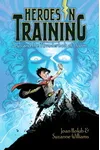
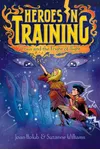
- Zeus and the Thunderbolt of Doom (Book 1): Zeus pulls a magical thunderbolt from a stone, escaping the Titan Cronus and starting his quest to unite the young Olympians.
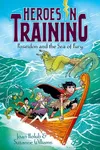
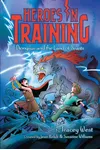
- Poseidon and the Sea of Fury (Book 2): Zeus rescues his brother Poseidon, who must overcome his ironic fear of water to battle the Titan Oceanus.
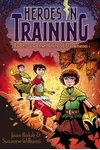
- Hades and the Helm of Darkness (Book 3): The young gods brave the Underworld to rescue Hades and retrieve the legendary Helm of Darkness.
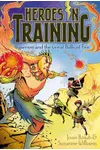
- Hyperion and the Great Balls of Fire (Book 4): The Olympians confront the fiery Titan Hyperion and rescue Hera from captivity.
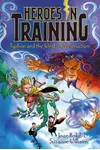
- Typhon and the Winds of Destruction (Book 5): The team faces Typhon, the giant monster of wind and destruction, while searching for Demeter.
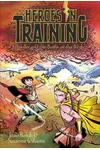
- Apollo and the Battle of the Birds (Book 6): Apollo joins the quest, attempting to retrieve a mythical shield while facing aggressive Stymphalian birds.
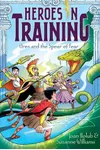
- Ares and the Spear of Fear (Book 7): The future god of war must conquer his own fears to master his magical spear and confront the Titans.
- Cronus and the Threads of Dread (Book 8): The Titan King Cronus attempts to use the Fates' mystical threads against the young heroes, introducing Hestia.
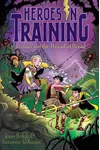
- Crius and the Night of Fright (Book 9): The Olympians travel to the Peloponnese to rescue Apollo’s twin sister, Artemis, from the Titan Crius.
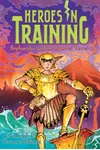
- Hephaestus and the Island of Terror (Book 10): The search leads the gods to the volcanic island of Lemnos, where they meet the master craftsman Hephaestus.
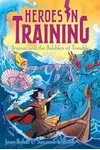
- Uranus and the Bubbles of Trouble (Book 11): The heroes face a bubbly threat linked to the ancient sky Titan Uranus.
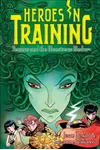
- Perseus and the Monstrous Medusa (Book 12): The young hero Perseus crosses paths with the Olympians in a quest involving the infamous Medusa.
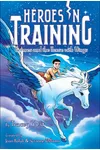
- Hermes and the Horse with Wings (Book 13): The fast-moving Hermes joins the fray and attempts to tame the winged horse, Pegasus.
- Dionysus and the Land of Beasts (Book 14): The future god of wine and theater, Dionysus, must guide his friends through a wild land of monsters.
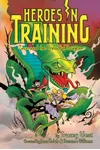
- Zeus and the Dreadful Dragon (Book 15): Zeus faces off against a giant dragon that threatens their quest.
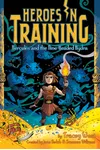
- Hercules and the Nine-Headed Hydra (Book 16): The famously strong Hercules teams up with the Olympians to defeat the regenerating Hydra.
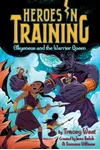
- Alkyoneus and the Warrior Queen (Book 17): The heroes must deal with the giant Alkyoneus and navigate a conflict with a fierce warrior queen.
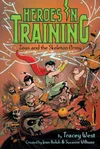
- Zeus and the Skeleton Army (Book 18): The epic finale to this chapter of their journey, where Zeus and the Olympians stand together against Cronus’s skeleton army.
Graphic Novel Adaptations
For visual readers and fans of comic-book formats, the first four books of the series have been adapted into full-color graphic novels. These adaptations retain the fun dialogue and character development of the original chapter books but bring the mythological action to life through dynamic illustrations by artist Keith Wood. The graphic novels available are:
- Zeus and the Thunderbolt of Doom: The Graphic Novel (Adapts Book 1)
- Poseidon and the Sea of Fury: The Graphic Novel (Adapts Book 2)
- Hades and the Helm of Darkness: The Graphic Novel (Adapts Book 3)
- Hyperion and the Great Balls of Fire: The Graphic Novel (Adapts Book 4)
These four books are also packaged together in a special boxed set called the Heroes in Training Mythical Collection. Currently, no further volumes have been adapted into the graphic novel format, so readers will need to transition to the original chapter books starting with Book 5 (Typhon and the Winds of Destruction) to continue the story.
Who Wrote the Series? Co-Authorship and Transitions
The Heroes in Training universe was created by the popular writing duo Joan Holub and Suzanne Williams, who are famous for their collaborations on mythological and fairytale retellings. They co-wrote the first 12 books of the series, establishing its fast-paced, humorous tone and kid-friendly mythology.
Starting with Book 13, Hermes and the Horse with Wings, children's author Tracey West (widely known for the bestselling Dragon Masters series) stepped in to write Books 13 through 18. While West took over the writing duties, the series maintained the original setup, character designs, and serialization created by Holub and Williams, ensuring a seamless experience for young readers transitioning into the later half of the series.
What to Know Before You Start
Before buying or borrowing the books, here are a few practical tips for parents, educators, and young readers:
- Target Age Group: The series is designed for early readers aged 6 to 9 (or grades 1 to 4). With short chapters, simple sentence structures, and frequent illustrations, it is an ideal transitional chapter book series for kids who are ready to read independently.
- Lexile Levels: The books fall in the Lexile range of 491L to 690L, making them highly accessible for early elementary readers.
- Educational Appeal: While the books take creative liberties with classical mythology—making the gods ten years old and softening the darker aspects of Greek myths—they introduce real mythological names, places, weapons, and relationships, serving as an excellent gateway to Greek mythology.
- No Standalones: Unlike some early chapter book series where books can be read in any order, Heroes in Training features a continuous narrative. Reading Book 5 before Book 1 will ruin major character introductions and plot resolutions.
Familiar Faces: Related and Companion Series
If your young reader flies through the 18 books of Heroes in Training and wants more, the creators have several other series set in similar mythic and magical worlds:
- Goddess Girls (Ages 8–12): Also co-authored by Joan Holub and Suzanne Williams, this massive 31-book series features older, teenage versions of the Greek goddess characters (Athena, Persephone, Aphrodite, Artemis) navigating Mount Olympus Academy. It is perfect for readers who outgrow the younger reading level of Heroes in Training.
- Little Goddess Girls (Ages 5–8): A younger spin-off of the Goddess Girls series, perfect for early chapter book readers, featuring simpler stories with Athena, Persephone, and Aphrodite.
- Grimmtastic Girls (Ages 8–12): An adventure series by the same authors that applies a similar modern, kid-friendly twist to classic fairy tales, following characters like Cinderella and Red Riding Hood at Grimm Academy.
- Thunder Girls (Ages 8–12): A companion series focusing on Norse mythology, following Freya and other young goddesses.