

The Recommended Reading Order for Hollywood Station
For readers diving into Joseph Wambaugh's modern Los Angeles Police Department (LAPD) saga, the path forward is straightforward. There is no discrepancy between the publication order and the chronological progression of the series. The characters grow, transfer, face personal challenges, and experience the career progression of real officers in real-time. Therefore, we highly recommend reading the series in the order the books were published.
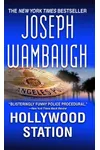
- Hollywood Station (2006)
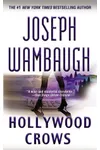
- Hollywood Crows (2008)
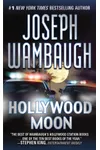
- Hollywood Moon (2009)
- Hollywood Hills (2010)
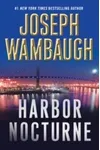
- Harbor Nocturne (2012)
Deep Dive Into the Hollywood Station Novels
1. Hollywood Station (2006)
After a decade-long hiatus from fiction, Wambaugh returned to his LAPD roots with this series opener. The novel acts as an ensemble introduction to the officers of the Hollywood Division. The narrative follows various street-level cops during the midwatch shift. Rather than centering on one grand case, the book portrays the day-to-day reality of policing—from tracking down a bizarre thief who steals painting supplies to responding to jewelry store heists. It introduces readers to the gritty, post-9/11 realities of the LAPD, operating under a federal consent decree, where officers balance the risk of the street with the stifling nature of department bureaucracy.
2. Hollywood Crows (2008)
The second entry shines a light on the LAPD's Community Relations Officers (CROs), mockingly referred to by other cops as "Crows" (and dismissed as working the "sissie beat"). The plot centers on officers Nathan "Hollywood Nate" Weiss and Bix Rummel. When Hollywood Nate gets entangled in a messy, high-stakes divorce scheme involving a manipulative femme fatale, the soft assignment of community policing quickly turns lethal. Wambaugh uses this book to explore the clash between public relations policing and the raw reality of street-level crime.
3. Hollywood Moon (2009)
In this installment, the focus shifts to the psychological and behavioral changes that affect the Hollywood streets during the cycle of a full moon. The surfer-cop duo Flotsam and Jetsam return to ride the wave of street chaos, which includes dealing with meth-fueled crimes, costumed street performers, and sophisticated identity thieves. Meanwhile, Hollywood Nate Weiss continues his pursuit of acting fame while trying to keep his badge, showing Wambaugh's trademark blend of humor and dark realism.
4. Hollywood Hills (2010)
Set against the backdrop of the wealthy, scheming elites living in the hills overlooking Los Angeles, this book contrasts the glamorous lifestyle of celebrity culture with the stark, drug-fueled underbelly of the city. The plot revolves around art theft, celebrity stalkers, and greedy scam artists. A major emotional arc in this novel is the passing of "the Oracle," the station's veteran watch sergeant, which deeply affects the squad and signals a shift in the station's old-school policing lineage.
5. Harbor Nocturne (2012)
The fifth and final book of the series moves some of the action down to the San Pedro harbor district, though it remains firmly connected to the Hollywood Division. Familiar faces like Hollywood Nate Weiss, the surfer duo Flotsam and Jetsam, and officer Britney Small return. The plot shifts into darker territory, focusing on a young Mexican dancer named Lita Medina and a longshoreman named Dinko Babich who gets swept up in a human trafficking operation. This book serves as a fitting, bittersweet capstone to the ensemble cycle, showing the interconnectedness of Los Angeles crime across different divisions.
The Core Cast of Characters
Rather than relying on a single heroic detective, Wambaugh builds a rotating ensemble of deeply human, flawed officers. Some of the standout recurring figures include:
- "The Oracle": The veteran watch sergeant who serves as the intellectual and moral center of Hollywood Station. His cynical yet deeply wise advice guides the younger patrol officers through the daily grind.
- Nathan "Hollywood Nate" Weiss: An officer who is obsessed with movies and constantly auditions for acting roles. His vanity is a source of endless teasing by his peers, but his police instincts remain sharp.
- Flotsam & Jetsam: A pair of patrol partners and dedicated surfer dudes who view police work as a way to fund their beach lifestyle, though they are surprisingly competent when the situation demands it.
- Britney Small & Budgie Polk: Female officers who represent the modern face of the LAPD, balancing personal lives, family demands, and the unique challenges of being women on the force.
- Fausto Gamboa: A veteran, easily annoyed patrol officer who has seen it all and has little patience for the department's newer, politically correct policies.
What to Know Before You Start
Joseph Wambaugh is a legendary figure in crime fiction, having served 14 years as an LAPD detective sergeant before publishing classic books like The New Centurions and The Choirboys. While his 1970s books depicted a cynical, pre-reform LAPD, the Hollywood Station series represents his view of the modern, post-Rodney King, post-9/11 department.
Readers should expect a unique structure: these books are highly episodic. Wambaugh builds his plots out of vignettes and real-life anecdotes gathered during extensive interviews with active duty officers. The tone shifts rapidly from laugh-out-loud comedy (often featuring bizarre street characters and cop banter) to sudden, shocking violence and tragedy. While each book can technically function as a standalone crime novel due to this episodic format, you will miss out on the rich, cumulative character development if you do not read them in order.