
The Recommended Reading Order for the Hollywood Series
For readers looking to dive into the glamorous and scandalous world of Jackie Collins’ Hollywood series, the recommended path is simple and direct: read the books in order of their publication. Because these novels are primarily thematic standalones that share a setting rather than a continuous narrative arc, you do not need to worry about complex chronological timelines. Reading them in the order they were written allows you to experience how Collins' depiction of the entertainment industry evolved from the early 1980s through the early 2000s.
Here is the complete publication and reading order for the core Hollywood books:
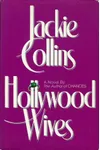
- Hollywood Wives (1983)
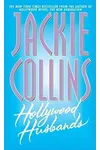
- Hollywood Husbands (1986)
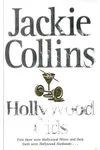
- Hollywood Kids (1994)
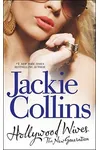
- Hollywood Wives: The New Generation (2001)
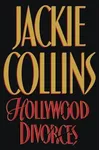
- Hollywood Divorces (2003)
Hollywood Series Book-by-Book Breakdown
1. Hollywood Wives (1983)
The book that started it all, Hollywood Wives, is a biting, glamorous, and often shocking look at the women maneuvering behind the scenes of the film industry. The story follows several wives of powerful Hollywood figures—including talent agents, actors, and screenwriters—as they scheme, betray, and love to secure their own positions of power. Collins used her personal observations of Beverly Hills society to write this novel, which went on to sell over 15 million copies and establish her as a household name. Key characters like the ruthless talent agent Sadie LaSalle and the ambitious Elaine Conti set the standard for Collins' signature heroines.
2. Hollywood Husbands (1986)
Following the massive success of her first Tinseltown book, Collins flipped the perspective in Hollywood Husbands. This installment focuses on three powerful men in the entertainment industry: talk show host Jack Python, studio chief Howard Soloman, and movie star Mannon Cable. As they navigate their careers, egos, and romantic escapades, their lives are thrown into chaos by the women in their orbit and a mysterious, beautiful woman seeking revenge. While it features a new central cast, it shares the same scandalous Los Angeles backdrop and includes a brief crossover appearance by Sadie LaSalle.
3. Hollywood Kids (1994)
Collins shifted her focus to the next generation in Hollywood Kids, exploring the spoiled, privileged, and often troubled children of Tinseltown's elite. The novel follows a group of young adults—including the son of a legendary movie star and the daughter of a powerful producer—who find themselves caught in a web of blackmail, heavy partying, and danger when a serial killer begins targeting the celebrity community. It is a darker, faster-paced entry that examines the heavy price of growing up in the shadow of fame.
4. Hollywood Wives: The New Generation (2001)
Nearly two decades after the original book, Collins returned to the concept that made her famous with Hollywood Wives: The New Generation. Set at the turn of the millennium, this novel introduces a fresh cast of ambitious starlets, designers, and power players navigating a modernized entertainment industry. The story blends classic themes of lust and betrayal with the updated realities of celebrity culture, culminating in a dramatic murder mystery that threatens to expose the elite's dirtiest secrets.
5. Hollywood Divorces (2003)
The final entry in the core series, Hollywood Divorces, examines the messy, high-stakes aftermath of love in the spotlight. The narrative centers on three ambitious and strong-willed women: Shelby, a talented British actress married to a troubled superstar; Cat, a fiercely independent young film director; and Lola Sanchez, a glamorous Latina bombshell seeking revenge. As their personal and professional lives intersect, they navigate the toxic nature of celebrity divorces, showing that in Tinseltown, getting out of a marriage can be just as dangerous as getting into one.
Understanding the Jackie Collins Shared Universe
While the five books in the Hollywood series are packaged together, they do not function like a traditional serialized story. Instead, they are part of a loosely connected literary universe. With the exception of a few minor character crossovers—such as the appearance of agent Sadie LaSalle in both Hollywood Wives and Hollywood Husbands—each book stands perfectly well on its own. You can pick up any of these novels and enjoy a complete, self-contained story without feeling lost.
It is also helpful to distinguish this series from Collins' other famous works, particularly the Santangelo series. The Santangelo books, starting with Chances (1981), follow the ongoing, generational saga of Lucky Santangelo and her family. While both series share a love for high society, power struggles, and steamy romance, the Santangelo books require a strict reading order due to their continuous plot, whereas the Hollywood books offer a much more flexible reading experience.
Additionally, fans often associate the Hollywood books with Collins' Madison Castelli series and the L.A. Connections mini-novels. Madison Castelli, an investigative journalist, first appeared in the four-part L.A. Connections series in 1998 before starring in standalone thrillers like Lethal Seduction (2000) and Deadly Embrace (2002). While these books capture the same glamorous, dangerous Los Angeles vibe, they are technically separate series with their own distinct lead characters.
What to Know Before You Start Reading
Before diving into the series, readers should be prepared for Jackie Collins' signature style, which earned her the title "Queen of Trash." Her books are unapologetically raunchy, fast-paced, and filled with melodrama. However, beneath the sensationalized plots lies a sharp, satiric commentary on the vanity and ruthlessness of the entertainment industry. Collins was also a pioneer in portraying female characters who were ambitious, sexually liberated, and fiercely independent, which has earned the series a status as a feminist cult classic.
For those interested in visual adaptations, the original Hollywood Wives was adapted into a highly successful, star-studded ABC miniseries in 1985, produced by Aaron Spelling and starring Candice Bergen, Anthony Hopkins, and Stefanie Powers. Hollywood Wives: The New Generation was also adapted into a television movie in 2003, starring Farrah Fawcett and Melissa Gilbert. Both adaptations capture the over-the-top aesthetic of their respective eras and make excellent companion viewings after finishing the books.