





Chronological vs. Publication Order: How to Choose Your Voyage
When preparing to dive into C.S. Forester's masterpiece of naval fiction, readers face a classic literary dilemma: should they follow Horatio Hornblower's life chronologically from a green midshipman to an Admiral of the Fleet, or should they experience the books in the order Forester wrote them? Both approaches offer unique advantages, and understanding the differences will help you decide the best path for your reading journey.
The Case for Chronological Order (Recommended)
For most modern readers, reading the series chronologically is the most satisfying approach. Reading in this order allows you to follow Hornblower's development in a smooth, linear fashion. You witness his growth from a seasick, insecure 17-year-old midshipman into a seasoned, brilliant officer navigating high-stakes naval engagements and delicate diplomatic missions. This path preserves the historical continuity of the Napoleonic Wars and makes the emotional stakes of Hornblower's personal life and career advancement feel earned and continuous.
The Case for Publication Order
If you prefer to see how C.S. Forester's writing style and his conception of Hornblower evolved over time, starting with the publication order is the way to go. Forester did not write these books in order; he began in 1937 with The Happy Return (introducing Hornblower as an established Captain in the middle of his career) and later went back to fill in his early years. Reading by publication date gives you the exact experience of the original mid-20th-century audience, letting you appreciate how Forester filled in the gaps of his hero's history after establishing him as a household name.
The Recommended Chronological Reading Order
If you choose to follow Hornblower's life from start to finish, this is the chronological sequence of the books, detailing his naval career stage by stage:
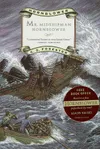
- Mr. Midshipman Hornblower (1950): The chronological starting point. A collection of ten episodic stories following a young, seasick 17-year-old Hornblower as he starts his career, faces exams, survives imprisonment, and learns the ropes of command.
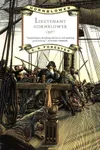
- Lieutenant Hornblower (1952): The only book in the series told from a perspective other than Hornblower's. It is narrated by his loyal friend Lieutenant Bush, detailing life under a paranoid captain and Hornblower's promotion.
- Hornblower and the Hotspur (1962): Newly married and appointed to command the sloop Hotspur, Hornblower is sent on dangerous scouting missions near the French coast as the Peace of Amiens collapses.
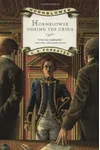
- Hornblower During the Crisis / Hornblower and the Crisis (1967): Left unfinished at the time of Forester's death, this book bridges his transition to Captain. It is typically published alongside Forester's notes outlining the planned ending and two short stories.
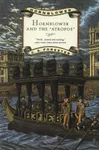
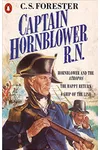
- Hornblower and the Atropos (1953): Hornblower manages the funeral procession of Lord Nelson and takes command of the Atropos, engaging in salvage operations and battles in the Mediterranean.
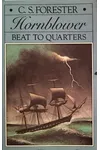
- The Happy Return / Beat to Quarters (1937): The very first book written. Captain Hornblower commands the HMS Lydia on a secret mission to Central America, dealing with a mad dictator and first meeting Lady Barbara.
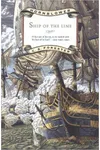
- Ship of the Line (1938): Hornblower commands the HMS Sutherland, executing daring raids along the Spanish coast and ultimately facing an overwhelming French force.
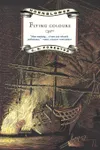
- Flying Colours (1938): Following his surrender, Hornblower, Bush, and a servant escape French captivity, steal a ship, and make a triumphant return to England.
- The Commodore / Commodore Hornblower (1945): Hornblower is given command of a squadron in the Baltic, dealing with complex political diplomacy and defending Russian territory against Napoleon's forces.
- Lord Hornblower (1946): Set during the closing stages of the Napoleonic Wars, Hornblower deals with a French mutiny, reunites with old flames, and is elevated to the peerage.
- Admiral Hornblower in the West Indies / Hornblower in the West Indies (1957): The chronological conclusion of the main narrative. Admiral Hornblower commands the West Indies station, dealing with pirates, revolutionaries, and the aftermath of Napoleon's reign.
The Original Publication Order
For purists who want to read the books in the order they were released, follow this timeline:
- The Happy Return / Beat to Quarters (1937)
- Ship of the Line (1938)
- Flying Colours (1938)
- The Commodore / Commodore Hornblower (1945)
- Lord Hornblower (1946)
- Mr. Midshipman Hornblower (1950)
- Lieutenant Hornblower (1952)
- Hornblower and the Atropos (1953)
- Admiral Hornblower in the West Indies / Hornblower in the West Indies (1957)
- Hornblower and the Hotspur (1962)
- Hornblower During the Crisis / Hornblower and the Crisis (1967)
Understanding Dual Titles: US vs. UK Editions
One of the biggest sources of confusion for readers collecting the Hornblower books is the naming differences between British and American editions. Forester's publishers changed several titles to make them appeal more to their respective audiences. Below are the key title translations to keep in mind so you don't accidentally buy the same book twice:
- The Happy Return (UK) is identical to Beat to Quarters (US).
- The Commodore (UK) is identical to Commodore Hornblower (US).
- Admiral Hornblower in the West Indies (UK) is identical to Hornblower in the West Indies (US).
- Hornblower During the Crisis (UK) is identical to Hornblower and the Crisis (US).
Short Stories, Companions, and Spin-Offs
Beyond the core eleven books, the Hornblower universe contains additional materials that enrich the reading experience. The posthumous volume Hornblower and the Crisis contains two important short stories: Hornblower and the Widow McCool (originally published in 1950 as 'Hornblower's Temptation', set during his time as a lieutenant) and The Last Encounter (published in 1966, showing a retired 72-year-old Hornblower in 1848). For maps and background essays written by C.S. Forester himself, look for The Hornblower Companion (1964), which acts as a personal atlas to the wars and battles featured in the novels. Lastly, while not written by Forester, naval historian C. Northcote Parkinson penned a highly regarded fictional biography titled The Life and Times of Horatio Hornblower (1970) that seamlessly fills in the hero's family tree and background using the author's deep knowledge of Royal Navy history.
What to Know Before You Start
Before you embark on your journey, it helps to understand the historical and literary context of the series. Horatio Hornblower is not a generic, infallible action hero. He is a deeply complex character defined by intense self-doubt, occasional bouts of depression, and a severe susceptibility to seasickness, which he hides behind an exterior of strict discipline. Set against the gritty backdrop of the Napoleonic Wars, Forester's novels are celebrated for their meticulous naval realism and technical detail, which inspired later giants of the genre like Patrick O'Brian (author of the Aubrey-Maturin series) and Bernard Cornwell (author of the Sharpe series).