
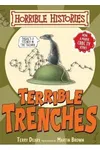
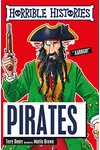
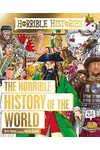
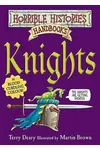
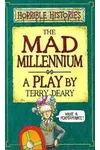
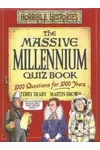
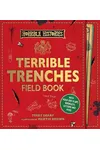
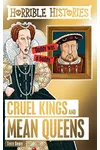
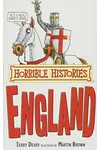
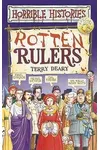
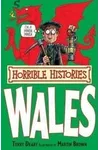
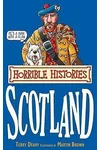
The Best Starting Point for Horrible Histories
If you are looking to dive into the messy, hilarious, and downright gruesome world of Terry Deary’s Horrible Histories, you might feel a bit overwhelmed by the sheer volume of titles. With dozens of books in the main lineup alone, not to mention a horde of spin-offs, guides, and activity collections, finding the "right" door to walk through is a common puzzle for new readers.
Here is the short answer: you can start absolutely anywhere. Because the series consists of non-fiction books that focus on distinct eras, historical figures, or cultural themes, there is no overarching narrative thread. You do not need to read about the Ancient Egyptians to understand the Victorians. The best starting point is simply the historical era you or your young readers find most fascinating.
That said, if you want a classic introduction that showcases the series at its absolute best, we recommend starting with one of these three fan favorites:
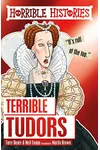
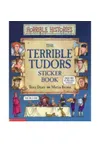
- Terrible Tudors: The book that started it all in 1993. It perfectly balances Terry Deary's cheeky narrative voice with Martin Brown's iconic illustrations, introducing readers to the wild court of Henry VIII and his ill-fated wives.
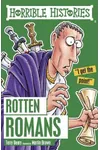
- Rotten Romans: An absolute classic that highlights the gory gladiator battles, bizarre dining habits, and chaotic emperors of Rome. It is widely considered one of the funniest entries in the series.
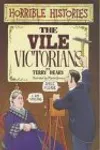
- Vile Victorians: Ideal for readers who love the darker sides of history. This book doesn't shy away from the grim realities of child labor, workhouses, and cholera-ridden streets, showing how the series educates while entertaining.
How to Read Horrible Histories: Publication vs. Chronological Order
While you can read these books in any order, there are two primary ways fans like to organize their shelves: by publication date or by historical chronology.
1. The Historical Timeline (Chronological Order)
Reading the series chronologically allows you to track the progress of human history, from the dawn of humanity right up to the end of the twentieth century. While the books were not written to be read this way, it is an excellent method for classroom learning or for readers who want to build a sequential understanding of world history. Here is how the core historical era books fit along a timeline:
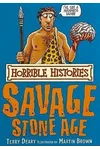
- The Savage Stone Age (covers prehistoric times)
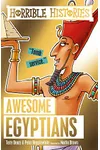
- Awesome Egyptians / Awful Egyptians (Ancient Egypt)
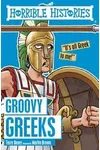
- Groovy Greeks (Ancient Greece)
- Rotten Romans / Ruthless Romans (Ancient Rome and the Roman Empire)
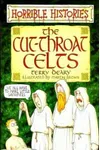
- The Cut-Throat Celts (Ancient Celtic tribes)
- Smashing Saxons (Early medieval Britain)
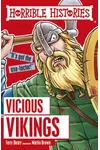
- Vicious Vikings (The Viking Age)
- The Stormin' Normans (The Norman Conquest and medieval development)
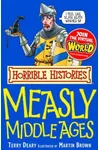
- The Measly Middle Ages (Medieval Europe and the Black Death)
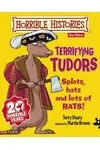
- Terrible Tudors / Even More Terrible Tudors (Tudor England)
- The Slimy Stuarts (17th-century Britain)
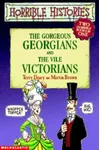
- Gorgeous Georgians (18th-century Britain)
- The Vile Victorians / Villainous Victorians (19th-century British Empire)
- Barmy British Empire (The rise and fall of the British Empire)
- Frightful First World War (1914–1918)
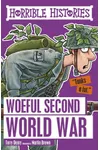
- Woeful Second World War / Blitzed Brits (1939–1945)
2. The Publication Order
If you prefer to experience the series exactly as it developed and expanded over the decades, reading in publication order is a fun journey. It shows how Terry Deary and Martin Brown refined their formula, moving from simple black-and-white comic strips and text blocks in the early 1990s to full-color pages, complex quizzes, and interactive layouts in the 2000s and 2010s. The publication order starts in 1993 with Terrible Tudors and Awesome Egyptians, followed by classics like Vile Victorians and Vicious Vikings in 1994, before branching out into specialized themes in the late 90s and early 2000s.
Exploring the Subseries and Spin-offs
As the series grew, it expanded far beyond the core historical eras. Understanding these subseries helps you navigate the library:
Gory Stories
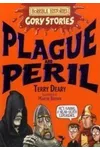
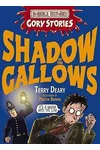
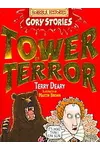
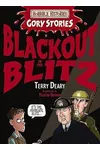
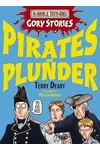
Unlike the main series, which is non-fiction, the Gory Stories collection (published around 2008–2010) introduces narrative fiction elements. Books like Shadow of the Gallows and Tower of Terror follow fictional characters living through horrible moments in history, combining the series' signature factual tidbits with engaging storylines.
Gruesome Guides
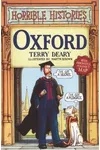
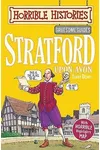
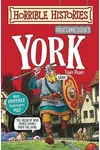
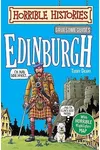
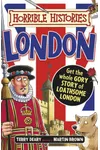
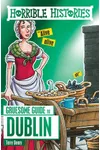
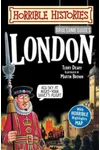
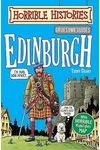
These books act as travel guides to the past for specific cities. Titles like London, Dublin, Edinburgh, and York focus on the regional history, local legends, and unique horrors of these famous places, making them excellent companions for family trips or local history studies.
Horrible Histories Handbooks
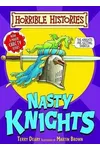
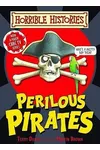
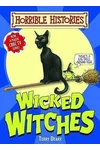
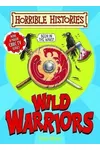
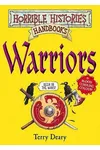
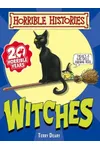
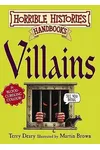
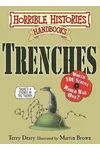
This subseries shifts focus from time periods to specific professions, classes, or groups. Instead of looking at a whole era, books like Nasty Knights, Perilous Pirates, Wicked Witches, and Wild Warriors dive deep into the daily lives, weapons, training, and ultimate fates of these historical figures.
Specials and Novelties
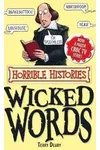
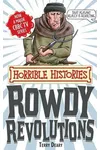
The Specials collection includes broader, thematic titles like Cruel Kings and Mean Queens, Wicked Words, and Rowdy Revolutions. These books connect dots across different eras, showing how certain themes—like royal cruelty or political uprisings—reoccur throughout human history.
What to Know Before You Start
Before you dive in, there are a few useful details that explain the tone and structure of the series:
The Collaborative Origins: Although Terry Deary is the main author and the voice of the series, several early books were co-authored with researchers who compiled the historical facts. For instance, Neil Tonge co-wrote the original Terrible Tudors, and Peter Hepplewhite co-wrote Awesome Egyptians. Martin Brown's illustrations are just as critical to the series' DNA as Deary's words, providing visual humor that softens the often gruesome subject matter.
Tone and Accuracy: The series was born out of a desire to make history fun for kids who found traditional school textbooks dry. Because of this, it focuses heavily on the strange, the gross, and the humorous. While the facts are generally well-researched, the series does occasionally lean into popular myths for comedic effect. It is best read as a spark for curiosity rather than an exhaustive academic textbook.
Adaptations: If you are familiar with the BAFTA-winning BBC television show, you will find the same irreverent humor in the books. The books, however, offer more detailed historical facts and interactive elements like quizzes, diaries, and cartoons that the show could only brief over.