



The Recommended Reading Path
For the best reading experience, it is highly recommended to read the Hugo Marston series in publication order. Although the fourth book, The Button Man, is a prequel that takes place chronologically before the first book, the progression of Hugo's personal relationships, his career, and his character development flows most naturally in the order the books were written and released.
If you prefer a strict timeline sequence, you can choose the chronological order, starting with The Button Man in London before diving into the Parisian cases in The Bookseller. Both orders are detailed below.
Hugo Marston Books in Publication Order
- The Bookseller (2012): The series debuts in Paris, where Hugo witnesses the armed abduction of his friend Max, an elderly bookstall owner along the Seine. The search reveals Max's hidden past as a Holocaust survivor and Nazi hunter.
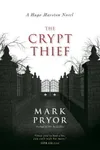
- The Crypt Thief (2013): Hugo is drawn into an eerie mystery at the Père Lachaise Cemetery, where a killer is desecrating historic tombs to steal bones, leaving a trail of bodies behind.
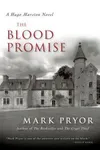
- The Blood Promise (2014): Tasked with protecting a visiting U.S. senator, Hugo must also investigate a historical secret hidden in a 200-year-old sailor's chest that someone is willing to kill for.
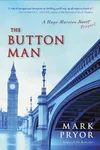
- The Button Man (2014): Serving as a prequel, this entry finds Hugo in London shortly after taking his post at the U.S. Embassy. He is assigned to protect a high-profile Hollywood couple, leading to a hunt for a serial killer in rural England and London.
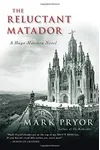
- The Reluctant Matador (2015): The series ventures to Barcelona, where Hugo travels to locate a missing American teenager, only to clash with drug dealers and a famous local bullfighter.
- The Paris Librarian (2016): Hugo investigates a suspicious death within the stacks of the American Library in Paris, uncovering a web of blackmail, art theft, and murder.
- The Sorbonne Affair (2017): Hired to look into plagiarism and hidden cameras spying on an American author at the Sorbonne University, Hugo finds himself hunting a murderer on campus.
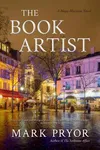
- The Book Artist (2019): Hugo must clear the name of his friend Penelope, a book artist who becomes the prime suspect when a murder victim is discovered in her home.
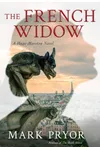
- The French Widow (2020): The mystery begins at a chateau outside Paris, where an aristocratic family faces art theft and murder, forcing Hugo to negotiate family secrets and a mysterious elderly widow.
The Chronological Reading Order
If you wish to follow Hugo's career timeline step-by-step from London to Paris, read the books in this order:
- The Button Man (Book 4 - London prequel)
- The Bookseller (Book 1)
- The Crypt Thief (Book 2)
- The Blood Promise (Book 3)
- The Reluctant Matador (Book 5)
- The Paris Librarian (Book 6)
- The Sorbonne Affair (Book 7)
- The Book Artist (Book 8)
- The French Widow (Book 9)
Meet Hugo Marston and His Allies
Hugo Marston is a Texan, a former FBI profiler, and the head of security at the U.S. Embassy in Paris. Unlike the typical trope of the tortured, self-destructive detective, Hugo is depicted as an ethical, intellectual, and generally decent investigator. However, his background in profiling gives him a sharp, analytical edge when dealing with criminals.
His investigations are supported by a recurring cast of memorable characters:
- Tom Green: Hugo's best friend, a semi-retired CIA operative. Met at the FBI Academy, Tom is Hugo's direct foil—loud, reckless, and described as a "walking id"—yet remains a fiercely loyal ally.
- Claudia de Roussillon: An investigative journalist and Hugo's love interest. Their relationship is non-exclusive and complex, reversing traditional courting roles as Hugo is often the one chasing her.
- Capitaine Raul Garcia: A capable and smart French police captain who collaborates with Hugo, often bypassing red tape to help him solve high-stakes crimes.
What to Know Before You Start
Mark Pryor's legal experience as a prosecutor and his deep love for Paris shape the authenticity of the series. He writes without rigid outlines, allowing the characters to drive the plot organically. The novels function well as standalone mysteries, meaning you can pick up any book and enjoy the main crime. However, the overarching development of Hugo's relationship with Claudia and his bantering partnership with Tom Green are highly serial and best enjoyed from the beginning.