


Where to Start Reading Inspector Appleby
For readers looking to dive into the intellectual, literary world of Inspector John Appleby, there are three primary recommendations on where to begin:
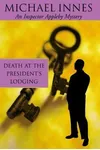
- The Traditional Debut: Start at the very beginning with Death at the President's Lodging (1936), also published in the US as Seven Suspects. This debut novel established the academic mystery subgenre and introduces Appleby as a sharp, young Scotland Yard detective navigating the insular and eccentric world of a fictional university.
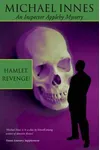
- The Masterpiece: Alternatively, you can start with Hamlet, Revenge! (1937). It is widely regarded as one of Innes's finest achievements, featuring a complex murder during an amateur theatrical production of Shakespeare's tragedy in a grand country house.
- The Cozy Gothic Shift: If you prefer rural eccentricity and lighthearted gothic parody, Appleby's End (1945) is a brilliant starting point. It is also the novel where Appleby meets his future wife, Judith Raven, which alters the course of his personal life for the rest of the series.
Publication Order vs. Chronological Continuity
While the Inspector Appleby series does follow a chronological progression in terms of Appleby’s life and career, strict chronological reading is not required. The books are episodic, and Innes rarely refers to the events of previous cases in a way that will spoil your enjoyment. However, reading in publication order is highly recommended if you want to watch the detective grow, marry, climb the ranks of Scotland Yard, retire, and return as a knighted police commissioner.
Appleby's career timeline generally breaks down into these distinct eras:
- The Scotland Yard Years (1936–1945): Starting as a young Detective Inspector in Death at the President's Lodging, Appleby works standard police cases but handles them with an intellectual, literary flair. This era ends with Appleby's End, where he proposes to Judith Raven and plans to retire.
- The Commissioner and Knighthood (1948–1959): Appleby is coaxed back into the police force, rising to the rank of Commissioner of the Metropolitan Police and receiving a knighthood. Novels in this era, like Operation Pax (1951) and Hare Sitting Up (1959), often read more like academic thrillers or espionage capers.
- Active Retirement (1961–1986): Now retired and living in his wife’s ancestral home in the country, Sir John Appleby cannot seem to avoid stumbled-upon corpses. These late-career books, ending with Appleby and the Ospreys (1986), blend classic country-house mysteries with comfortable elder-years investigative work.
The Complete Inspector Appleby Novels in Order
Here is the complete list of Inspector Appleby novels in order of publication, including their alternate US titles:
- Death at the President's Lodging / Seven Suspects (1936)
- Hamlet, Revenge! (1937)
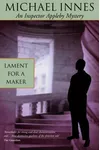
- Lament for a Maker (1938)
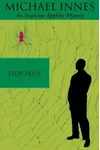
- Stop Press / The Spider Strikes (1939)
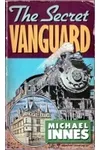
- The Secret Vanguard (1940)
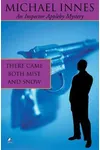
- There Came Both Mist and Snow / A Comedy of Terrors (1940)
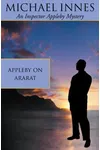
- Appleby on Ararat (1941)
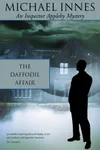
- The Daffodil Affair (1942)
- The Weight of the Evidence (1943)
- Appleby's End (1945)
- A Night of Errors (1948)
- Operation Pax / The Paper Thunderbolt (1951)
- A Private View / One-Man Show / Murder Is an Art (1952)
- Appleby Plays Chicken / Death On a Quiet Day (1957)
- The Long Farewell (1958)
- Hare Sitting Up (1959)
- Silence Observed (1961)
- A Connoisseur's Case / The Crabtree Affair (1962)
- The Bloody Wood (1966)
- Appleby At Allington / Death By Water (1968)
- A Family Affair / Picture of Guilt (1969)
- Death at the Chase (1970)
- An Awkward Lie (1971)
- The Open House (1972)
- Appleby's Answer (1973)
- Appleby's Other Story (1974)
- The Gay Phoenix (1976)
- The Ampersand Papers (1978)
- Sheiks and Adders (1982)
- Appleby and Honeybath (1983)
- Carson's Conspiracy (1984)
- Appleby and the Ospreys (1986)
Inspector Appleby Short Story Collections
In addition to the novels, Michael Innes wrote dozens of short stories featuring Appleby. These are typically fast-paced, puzzle-focused cases originally written for magazines. They are gathered in the following collections:
- Appleby Talking / Dead Man's Shoes (1954)
- Appleby Talks (1954)
- Appleby Talks Again (1956)
- Appleby Intervenes (1965)
- The Appleby File (1975)
- Appleby Talks About Crime (2010)
Spin-offs and Crossovers: Charles Honeybath
Michael Innes also wrote a shorter series about Charles Honeybath, an erudite portrait painter who acts as an amateur sleuth when he stumbles upon crimes in the grand homes of his subjects. While Honeybath stars in his own books, his world directly collides with Appleby's in the final Honeybath novel, making it a key crossover for fans of both series. Here is the Charles Honeybath reading order:
- The Mysterious Commission (1974)
- Honeybath's Haven (1977)
- Lord Mullion's Secret (1981)
- Appleby and Honeybath (1983)
What to Know Before You Start
Before stepping into Innes's world, it helps to understand the unique tone of these books. Michael Innes was the pen name of J.I.M. Stewart, an English literature professor at the University of Adelaide and Oxford. Because of his background, the series is packed with literary allusions, intellectual jokes, and academic settings. It is often described as 'donnish detection'—a style of mystery where the puzzle is solved as much through literary analysis and philosophical debate as it is through physical clues.
You should also expect sudden shifts in tone. While the early books are tightly plotted whodunits, Innes loved to experiment. The Secret Vanguard reads like an espionage chase through the Scottish highlands, The Daffodil Affair features a stolen talking horse and a haunted house, and Operation Pax is a fast-paced thriller involving a secret laboratory. If you try one book and find it too whimsical or too dry, try another from a different era, as the style evolved significantly over Innes's fifty-year career.