

The Recommended Reading Path
For readers diving into the cases of Inspector Joseph French, the safest and most satisfying route is the original publication order. Freeman Wills Crofts developed French’s career, his status at Scotland Yard, and his detective methods in real-time between 1924 and 1957. Reading the books chronologically as they were written allows you to witness the steady evolution of the police procedural, a subgenre Crofts helped pioneer.
However, if you are not committed to reading all thirty volumes, you can easily opt for the Masterpiece Path. This selective reading list focuses on Crofts' most celebrated, tightly plotted puzzles, allowing you to bypass some of the slower mid-series entries. Whether you read them all or focus on the highlights, the books are highly episodic and designed to work perfectly as standalones.
Publication Order of Inspector French Books
Here is the complete bibliography of the Inspector French series. While most books are full-length novels, the series also contains short story collections that showcase French's shorter cases.
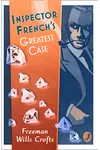
- Inspector French’s Greatest Case (1924)
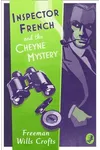
- Inspector French and the Cheyne Mystery (1926) – also published as The Cheyne Mystery
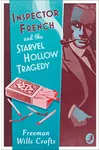
- Inspector French and the Starvel Hollow Tragedy (1927) – also published as The Starvel Tragedy
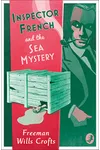
- Inspector French and the Sea Mystery (1928) – also published as The Sea Mystery
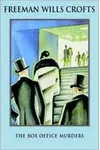
- The Box Office Murders (1929) – also published as The Purple Sickle Murders
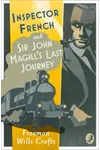
- Inspector French and Sir John Magill’s Last Journey (1930) – also published as Sir John Magill’s Last Journey
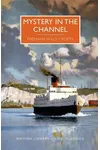
- Mystery in the Channel (1931) – also published as Mystery in the English Channel
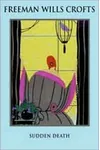
- Sudden Death (1932)
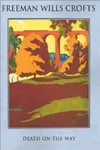
- Death on the Way (1932) – also published as Double Death
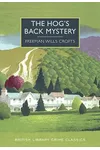
- The Hog's Back Mystery (1933) – also published as The Strange Case of Dr. Earle
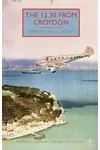
- The 12.30 from Croydon (1934) – also published as Wilful and Premeditated
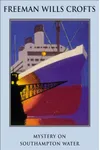
- Mystery on Southampton Water (1934) – also published as Crime on the Solent
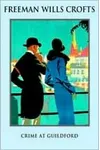
- Crime at Guildford (1935) – also published as The Crime at Nornes
- The Loss of the Jane Vosper (1936)
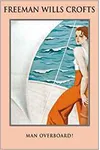
- Man Overboard (1936)
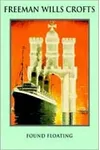
- Found Floating (1937)
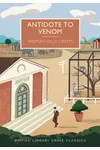
- Antidote to Venom (1938)
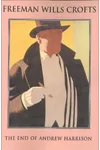
- The End of Andrew Harrison (1938) – also published as The Futile Alibi
- Fatal Venture (1939) – also published as Tragedy in the Hollow
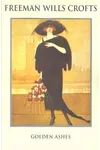
- Golden Ashes (1940)
- James Tarrant, Adventurer (1941) – also published as Constable Guile Takes a Hand or Circumstantial Evidence
- A Losing Game (1941)
- Fear Comes to Chalfont (1942)
- The Affair at Little Wokeham (1943) – also published as Double Tragedy
- Enemy Unseen (1945)
- Death of a Train (1946)
- Silence for the Murderer (1949)
- Dark Journey / French Strikes Oil (1951)
- Many a Slip (1955) – short story collection
- Anything to Declare? (1957)
Chronological Caveats and Order Disagreements
Unlike modern series where characters carry deep trauma and complex personal relationships across books, Golden Age detective fiction prioritized the puzzle. Inspector French remains relatively stable throughout the run, meaning you will not encounter major spoilers or continuity issues if you read the books out of order. There are very minor references to his career progression and occasional nods to past cases, but they do not impact the plot of the individual mysteries.
The main source of confusion for modern collectors is the naming conventions. Because Crofts' books were published under different titles in the United Kingdom and the United States, readers often buy duplicate books by mistake. For instance, Death on the Way was published as Double Death in America, and The Hog's Back Mystery became The Strange Case of Dr. Earle. Refer to the list above to make sure you do not buy the same story twice.
The Best Starting Points for New Readers
If you are looking to get your feet wet, there are three standout novels that represent Freeman Wills Crofts and Inspector French at their absolute best:
Inspector French's Greatest Case (1924)
The logical starting point is the book that introduced the world to Inspector French. This novel establishes the groundwork for the modern police procedural. It begins with a Hatton Garden diamond robbery and a murdered clerk, prompting French to dismantle alibis, decipher codes, and trace suspects across England and continental Europe. It introduces French's trademark courtesy, relentless work ethic, and attention to detail.
The 12.30 from Croydon (1934)
This novel is widely considered Crofts' absolute masterpiece. It is an inverted mystery, meaning the reader witnesses the crime being planned and executed from the murderer's perspective. The second half of the book follows Inspector French as he systematically breaks down the murderer's seemingly airtight, genius alibi. It is a brilliant psychological study as well as a masterclass in detection.
The Hog's Back Mystery (1933)
Set in the Surrey countryside, this novel focuses on the mysterious disappearance of a doctor and the subsequent murders of those close to him. French is called in to unravel the puzzle. The book is celebrated by classic mystery fans as the quintessential logistical puzzle, relying on meticulous timelines and physical evidence to crack the case.
What to Know Before You Start
Before you dive in, it is helpful to understand the philosophy of the Golden Age procedural. Unlike Sherlock Holmes or Hercule Poirot, who solve cases through sudden flashes of eccentric genius, Inspector French is a professional Scotland Yard workhorse. He makes lists, interviews witnesses, coordinates with local authorities, and systematically checks alibis. He often runs into dead ends and has to start over, making his eventual success feel earned and highly realistic.
Furthermore, Crofts was a former railway engineer, a career that deeply influenced his plots. You will find that many alibis and solutions hinge on train schedules, ferry timetables, shipping manifests, and geographical maps. If you enjoy mechanical, logical puzzles where the author plays completely fair with the clues, you will find French's methods incredibly satisfying.
Short Stories and Collaborative Projects
Beyond the primary novels, Crofts wrote shorter fiction featuring the Inspector. Many a Slip (1955) is the primary collection of French short stories included in the standard list, containing twenty-one tales written for the London Evening Standard. Another important collection is Murderers Make Mistakes (1947), which contains short cases originally written as radio plays. These stories challenge the reader to spot the criminal's fatal mistake before French reveals it at the end.
As a founding member of the Detection Club, Crofts also participated in collaborative round-robin novels with other legends of the genre. The most famous of these is The Floating Admiral (1931), where Crofts wrote the fourth chapter, handling the complex tidal and timetable elements of the mystery. While these collaborative books do not feature French directly, they showcase the same collaborative, fair-play spirit that defines the Inspector French novels.