


Where to Start: The Recommended Reading Path
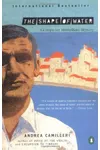
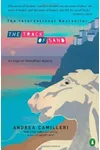
For the best experience, readers should start with The Shape of Water (originally published in 1994, translated into English in 2002). This novel introduces Inspector Salvo Montalbano, the fictional Sicilian town of Vigàta, and the core cast of characters, including the loyal but hot-tempered Mimi Augello, the analytical Fazio, and the hilariously tongue-tied desk officer Catarella. Starting here establishes the status quo before Andrea Camilleri begins to evolve the characters and the political backdrop of Sicily.
While chronological order maps the prequels first, the publication order remains the most satisfying way to read the series. As Salvo Montalbano ages, he becomes increasingly introspective, and the tone of the series shifts from lighthearted social satire to a darker, more philosophical exploration of morality, aging, and Italian politics. Reading the books out of order will spoil these subtle character arcs and the evolving nature of Salvo's long-distance relationship with his partner, Livia.
Publication Order vs. Chronological Order
For the vast majority of the series, chronological order matches publication order. The main exceptions are two major short story collections that act as prequels to the main novels:
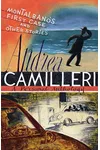
- Montalbano's First Case and Other Stories (published in English in 2013)
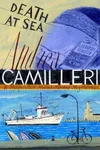
- Death at Sea (published in English in 2018)
Both collections feature cases from Montalbano's early career when he was a younger officer working in the mountain town of Mascalippa before his transfer to the coast of Vigàta. While purists might want to read these first to follow Salvo's life from the beginning, they are best read as companion pieces later in the series. The style in these collections reflects a mature Camilleri looking back at his creation, and they are much more rewarding once you are already familiar with Montalbano's personality, quirks, and culinary obsession.
The Crossover: Acqua in Bocca
A unique addition to the Montalbano universe is Acqua in bocca (2010), a epistolary novel co-authored by Andrea Camilleri and fellow Italian crime writer Carlo Lucarelli. This book features a crossover between Inspector Montalbano and Lucarelli's series protagonist, Inspector Grazia Negro. The two detectives communicate via letters, reports, and secret notes to solve a sensitive case involving the murder of a Vigàta native in Bologna. While it is a fascinating piece of Italian pop culture, it is worth noting that this book has not received a widely distributed English translation, making it a rare collector's item for international fans.
What to Know Before You Start
To fully appreciate the world of Inspector Montalbano, keep these unique elements in mind:
- The Translation: Stephen Sartarelli's translations are widely praised for preserving Camilleri's unique blend of standard Italian and Sicilian dialect. Sartarelli includes detailed notes at the end of each English volume to explain local idioms, cultural references, and the mouthwatering Sicilian dishes Montalbano enjoys.
- The Importance of Food: Montalbano's mood is dictates by his meals. Whether he is eating at Enzo's trattoria by the sea or savoring arancini prepared by his housekeeper Adelina, he demands silence while eating. The culinary descriptions are central to the atmosphere.
- The Vaulted Finale: Fearing that another author might try to continue the series after his death, Camilleri wrote the final novel, Riccardino, in 2005 and revised it in 2016. He kept it in a locked safe at his publisher's office with strict instructions that it only be published posthumously. It was released in Italy in 2020 and translated into English in 2021, serving as a brilliant, meta-fictional farewell where the detective literally argues with his creator.