
The Recommended Reading Order
For the ultimate experience of Colin Dexter's masterpiece, we highly recommend reading the Inspector Morse series in publication order. While each novel presents a self-contained investigation, the overarching narrative of Morse's life, his deteriorating health, his evolving partnership with Sergeant Robbie Lewis, and his personal relationships build progressively across the novels. Reading them in order ensures you experience the emotional weight and character development as Dexter intended, leading up to the final, poignant book.
The Complete Inspector Morse Book Series in Publication Order
Colin Dexter wrote exactly thirteen novels featuring the cerebral, crossword-loving detective. Here is the complete list of novels in the order they were published:
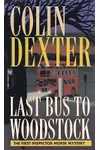
- Last Bus to Woodstock (1975): The novel that started it all. Morse and Lewis are introduced as they investigate the murder of a young woman who was seen hitchhiking before being found dead in a pub car park.
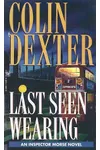
- Last Seen Wearing (1976): Morse is called in to look into the cold case of Valerie Taylor, a schoolgirl who disappeared two years prior, leading him through a web of academic secrets.
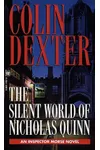
- The Silent World of Nicholas Quinn (1977): Set within an Oxford examination syndicate, Morse investigates the murder of a newly appointed deaf staff member who may have overheard too much.
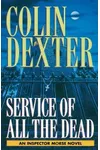
- Service of All the Dead (1979): A grim case of multiple murders revolving around a church in the quiet village of Elsfield, where churchwardens and vicars meet violent ends.
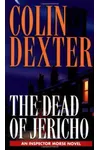
- The Dead of Jericho (1981): A deeply personal case for Morse. After meeting and being attracted to a woman named Anne Stavely, she is found hanged, and Morse suspects foul play behind the apparent suicide.
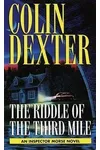
- The Riddle of the Third Mile (1983): Academic rivalries boil over when an Oxford don goes missing, and a headless torso is fished out of the Oxford Canal.
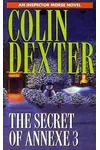
- The Secret of Annexe 3 (1986): Set during a festive New Year's Eve party at a local hotel, Morse must unmask the killer of a guest found dead in a hotel annexe.
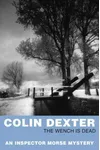
- The Wench Is Dead (1989): Hospitalized with a bleeding ulcer, a bedridden Morse passes the time by re-examining a historical cold case—the 1859 murder of a woman on the Oxford Canal.
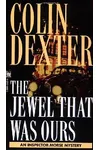
- The Jewel That Was Ours (1991): A group of American tourists visits Oxford, but their trip turns deadly when a historic artifact (the Wolvercote Chalice) is stolen and a tourist is found dead.
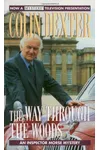
- The Way Through the Woods (1992): A mysterious poem sent to the press hints at the location of a missing woman's body, prompting Morse and Lewis to decode the riddles.
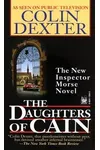
- The Daughters of Cain (1994): Morse investigates the brutal stabbing of a retired university don, uncovering dark secrets linking university staff and local students.
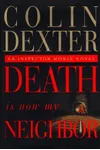
- Death Is Now My Neighbor (1996): Amid a fierce, backstabbing race to elect a new Oxford college master, a young woman is shot dead in her home. This book is famous for finally revealing Morse's first name.
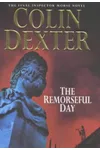
- The Remorseful Day (1999): The final case. Morse, suffering from failing health, works with Lewis to solve the murder of a nurse, culminating in the emotional end of the series.
Short Stories and Collections
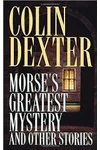
In addition to the thirteen novels, Colin Dexter published a single official collection of short fiction: Morse's Greatest Mystery and Other Stories (1993). While only a handful of the stories in this collection feature DCI Morse (including the title story and "As Good as Gold"), they offer delightful, bite-sized puzzles that fit well between The Way Through the Woods and The Daughters of Cain in publication sequence.
Chronological Differences and Key Caveats
While the books generally progress chronologically in real-time, there are two important exceptions that readers should keep in mind:
The Historic Detour: The Wench Is Dead
Chronologically, the bulk of The Wench Is Dead (1989) takes place in 1859. Since Morse is bedridden in the hospital, he behaves like a classic "armchair detective," using historical documents, court records, and a local pamphlet to reconstruct the crime. While this makes it unique chronologically, it should still be read in its eighth-position slot, as the framing narrative relies on Morse's ongoing health struggles established in the previous books.
The Novelization Shift: The Jewel That Was Ours
There is a minor discrepancy regarding The Jewel That Was Ours. Colin Dexter actually wrote the script for the television episode "The Wolvercote Tongue" before adapting it back into this novel, which was published in 1991. The local database context lists the publication year as 1989, but standard bibliography records cite 1991. Regardless of the minor date conflict, it is universally read as the ninth book in the sequence.
Spin-Offs, Prequels, and the TV Universe
Colin Dexter’s books served as the foundation for one of the most successful television franchises in British broadcast history, expanding into three distinct eras:
- Inspector Morse (1987–2000): Starring John Thaw as Morse and Kevin Whately as Robbie Lewis. The TV series popularized the character's iconic red Jaguar (in the books, Morse drives a Lancia or a black sedan) and featured cameos from Colin Dexter himself in nearly every episode.
- Lewis (2006–2015): A direct sequel series that follows Robbie Lewis, now promoted to Detective Inspector, solving crimes in Oxford alongside his younger, cerebral partner, DS James Hathaway.
- Endeavour (2012–2023): A highly acclaimed prequel series starring Shaun Evans as a young, rookie Endeavour Morse in the 1960s and 1970s. The prequel fleshes out the origin of Morse's love for opera, crosswords, and real ale, while highlighting his early career disappointments.
Colin Dexter's Famous Will Clause
To protect the legacy of John Thaw, who passed away in 2002, Colin Dexter famously inserted a clause into his will preventing any other actor from playing Inspector Morse on television after his death. While he gave his blessing to Shaun Evans to play the younger version in Endeavour, Dexter declared that Evans would be the final actor to ever play the detective on screen, ensuring the role remains untarnished by future remakes.
Practical Reading Guidance for Beginners
Can the books be read as standalones?
Yes. Each novel is a complete, self-contained murder mystery with a satisfying resolution. You do not need to have read the prior novels to understand the plot of any individual book. However, the background details—such as Morse's worsening diabetes, his shifting views on retirement, and the subtle warmth that develops in his relationship with Lewis—build sequentially, making a front-to-back read much more rewarding.
Best Starting Points
The absolute best place to start is the first book, Last Bus to Woodstock. If you find the pacing of the early 1970s prose a bit slow, The Silent World of Nicholas Quinn (Book 3) or The Dead of Jericho (Book 5) are excellent alternative entry points that show Dexter's puzzle-crafting at its finest.
What to Know Before You Start
Expect a cerebral, slow-burn reading experience. Morse is a highly intellectual protagonist who solves cases through literary references, grammatical corrections, and cryptic crossword-style lateral thinking. The books can be darker and more melancholic than the TV series, offering a fascinating look at a brilliant but lonely man searching for truth in Oxford's academic shadow.