





How to Read the Inspector Parry Books in Order
Written by Welsh crime writer David Williams, the Inspector Parry series is a classic British procedural sequence set against the atmospheric backdrop of South Wales. The series follows Detective Chief Inspector Merlin Parry and his pragmatic partner, Detective Sergeant Gomer Lloyd, as they peel back the polite facades of suburban and rural Welsh communities to uncover greed, blackmail, and murder.
Because the series follows a straightforward chronological timeline that mirrors its publication order, the best way to read the series is in the order the books were published. While each novel presents a self-contained, standalone murder mystery, reading them in order allows you to appreciate the developing partnership and banter between Parry and Lloyd.
Inspector Parry Series in Publication and Chronological Order
Here is the recommended reading path for the Inspector Parry series:
- Last Seen Breathing (1994) – The debut novel introduces DCI Merlin Parry and DS Gomer Lloyd as they investigate a suspicious death in a Cardiff suburb, exposing the layers of deceit hiding behind suburban respectability.
- Death of a Prodigal (1996) – A disgraced man named Mervyn Davies returns to South Wales after forty years away, only to meet a gruesome end. Parry and Lloyd must untangle the dark motives of a tight-knit community.
- Dead in the Market (1998) – When a murder takes place in Cardiff’s bustling Central Market in front of thousands of shoppers, no witnesses come forward. The investigation leads back seventeen years to a secret adoption, blackmail, and deep family secrets.
- A Terminal Case (1998) – Set in the leafy Cardiff suburb of Bryntaf, the peace of a local parish is shattered when the vicar of St. Samson's church announces his divorce, quickly followed by a shocking murder that exposes the congregation's dirtiest secrets.
- Suicide Intended (1999) – A student and local cad, Freddy Gibbon, falls from his dormitory window in what initially looks like suicide. As Parry and Lloyd dig into his school life, they uncover a web of blackmail, drug dealing, and secret affairs.
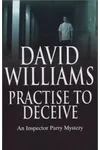
- Practise to Deceive (2003) – The final entry in the series centers on the murder of Kevin Rees, a beloved auxiliary nurse at a private clinic for stroke victims. The investigation leads Parry and Lloyd across Cardiff, Chepstow, London, and Bristol to uncover Rees's hidden history.
What to Know Before You Start
Before diving into the rainy, rumor-filled streets of Cardiff with DCI Parry, here are a few key details to keep in mind:
- The Author's Unique Background: David Williams (1926–2003) was a successful advertising executive who turned to writing crime fiction full-time after a severe stroke in 1977. His first-hand experience with stroke recovery heavily influenced the setting of his final novel, Practise to Deceive, which takes place around a stroke rehabilitation clinic.
- A Distinctly Welsh Flavor: Unlike many classic British detective stories set in rural English villages, the Parry and Lloyd books are firmly rooted in South Wales. Williams masterfully uses Cardiff's central markets, suburban parishes, and the Welsh countryside to ground his intricate puzzles in a realistic, atmospheric setting.
- A Nod to Inspector Morse: Williams created DCI Merlin Parry later in his career, partially inspired by the massive success of Colin Dexter’s Inspector Morse books and television adaptation. While the Parry series was never adapted for the screen, it carries a similar intellectual, methodical tone.
- David Williams vs. David Walliams: Do not confuse the author of this series with the contemporary English comedian and children's book author David Walliams (born David Edward Williams). The creator of Inspector Parry was an established member of the Detection Club and was twice shortlisted for the CWA Gold Dagger.
The Dynamic Duo: Merlin Parry and Gomer Lloyd
At the core of this six-book run is the contrast and chemistry between the two main detectives:
DCI Merlin Parry is a meticulous, sharp-witted investigator. He is a deeply observant detective who, despite carrying a sad personal past, retains a dry humor and an unyielding commitment to finding the truth. He relies on logic, interviews, and dismantling the alibis of upper-middle-class suspects.
DS Gomer Lloyd acts as the perfect foil to Parry. Pragmatic, earthier, and street-smart, Lloyd brings a grounded Welsh sensibility to their cases. The dialogue and banter between the two provide much of the series' charm, echoing the classic "Holmes and Watson" dynamic but with a distinctly Welsh comedic undercurrent.
Frequently Asked Questions & Reading Tips
Because the series is relatively short and closely tied to its publication dates, readers rarely struggle with timeline confusion. However, tracking down physical copies of some of the mid-series books (like Dead in the Market and A Terminal Case) can sometimes be a challenge, so digital or library archives are highly recommended for completing the full set.