
The Recommended Reading Order
For the best experience, you should read the Inspector Shan series in its original publication order. The books follow a continuous chronological path, tracing the emotional growth, shifting legal status, and spiritual awakening of the protagonist, Shan Tao Yun. Starting anywhere other than the beginning means missing the crucial context of Shan’s exile and his evolving bond with the Tibetan people.
Here is the recommended reading path for the series:
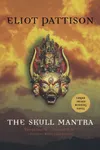
- The Skull Mantra (1999)
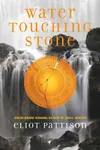
- Water Touching Stone (2001)
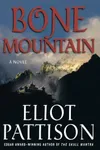
- Bone Mountain (2002)
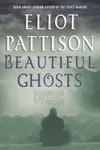
- Beautiful Ghosts (2004)
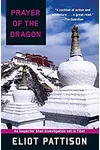
- Prayer of the Dragon (2007)
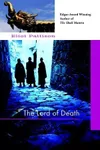
- The Lord of Death (2009)
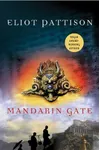
- Mandarin Gate (2012)
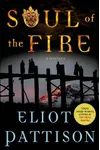
- Soul of the Fire (2014)
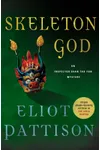
- Skeleton God (2017)
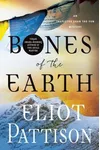
- Bones of the Earth (2019)
Understanding Shan Tao Yun’s Evolving Status
Unlike traditional procedural crime fiction where a detective retains their badge and authority, the Inspector Shan novels are defined by Shan’s precarious and marginalized status under the Chinese regime. Understanding this trajectory helps explain why the books must be read in order:
- The Prisoner (Book 1): In The Skull Mantra, Shan is a disgraced former Beijing investigator imprisoned in a brutal Tibetan labor camp (the People’s 404th Construction Brigade). He is granted temporary, conditional release only because the local commander desperately needs his skills to solve a politically sensitive murder before foreign dignitaries arrive.
- The Wanderer and Fugitive (Books 2–3): In Water Touching Stone and Bone Mountain, Shan is no longer in the gulag but lives on the margins of society, often wandering through remote deserts and mountains. His survival relies on the hospitality of Tibetan outcasts and the protection of secret Buddhist communities.
- The Unofficial Constable (Books 4–10): In subsequent books like Beautiful Ghosts and Mandarin Gate, Shan is paroled to a remote township. He serves as an unofficial local constable, trapped between the demands of his Chinese overseers—who frequently coerce him into investigating high-stakes crimes—and his loyalty to the persecuted Tibetan monks who saved his sanity.
Key Characters and Companions
Throughout his travels across the Himalayas, Shan is assisted by a recurring cast of characters who represent the deep cultural and political divide in occupied Tibet:
- Colonel Tan: Shan's chief antagonist and reluctant partner. An astute and sometimes ruthless Chinese military official, Tan frequently uses Shan to solve crimes that threaten local stability. Over the series, their relationship develops into a complex, tense rivalry where Tan occasionally shows flashes of conscience despite prioritizing his own survival in the Party.
- Lokesh and Gendun: Tibetan Buddhist monks who are imprisoned with Shan in the gulag. They offer him spiritual refuge, helping him heal from the psychological trauma of his downfall and the loss of his family in Beijing.
- Yeshe: A young monk who embodies the struggle of the modern Tibetan generation, caught between preserving ancient spiritual traditions and navigating the pressures of the Chinese administration.
What to Know Before You Start
The Inspector Shan series is celebrated for its deep cultural immersion and atmospheric detail. Author Eliot Pattison, an international lawyer, drew inspiration for the books from his extensive travels in Tibet, where he witnessed firsthand the tension between Chinese authorities and the Tibetan population. The debut novel, The Skull Mantra, won the prestigious Edgar Allan Poe Award for Best First Novel in 2000, establishing Pattison as a leading voice in culturally immersive crime fiction.
Readers should be prepared for mature themes, including the stark realities of labor camps, political persecution, and human rights violations. However, the grimness is consistently balanced by the series' focus on Buddhist philosophy, the beauty of the Tibetan landscape, and the resilience of the human spirit.
Spin-Offs and Companion Reading
While the Inspector Shan series concluded with Bones of the Earth in 2019, readers looking for similar historical and cultural depth can explore Eliot Pattison's other projects:
- The Bone Rattler Series: A historical mystery series set during the French and Indian War, following Scottish exile Duncan McCallum as he navigates the complex relationships between European colonists and Native American tribes.
- The Hadrian Boone Series: Beginning with Ashes of the Earth (2011), this post-apocalyptic mystery series is set in a resource-scarce community near the Great Lakes decades after a nuclear disaster.