


The Recommended Reading Order
For readers diving into the world of Roger West, the recommended reading path is simple: follow the original publication order. Unlike some mystery series where chronological events jump around, John Creasey wrote the Inspector West books in a linear timeline. As the series progresses, Roger West ages, moves up the ranks at Scotland Yard (advancing from Inspector to Superintendent, and ultimately to Chief Superintendent), and navigates the complexities of family life. Reading them in order allows you to fully experience the character's professional and personal evolution alongside the changing backdrop of post-war London.
Because many books in this series were released under multiple titles in different markets—often featuring different names in the UK and the US—navigating the bibliography can be confusing. Below is the complete list of all 43 novels in their chronological publication order, matching the local database records and cross-referenced with primary historical publishing sources to ensure accuracy.
The Inspector West Series in Publication Order
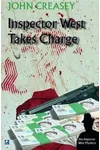
- Inspector West Takes Charge (1942) - The debut novel introducing Roger West as he untangles a high-stakes conspiracy.
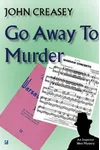
- Inspector West Leaves Town / Go Away To Murder (1943)
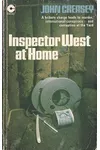
- Inspector West at Home / Apostle of Gloom (1944) - Roger faces personal danger when a case strikes close to home.
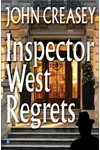
- Inspector West Regrets (1945)
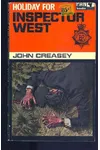
- Holiday for Inspector West (1946)
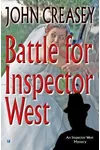
- Battle for Inspector West (1948)
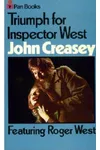
- Triumph for Inspector West / The Case Against Paul Raeburn (1948)
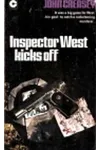
- Inspector West Kicks Off / Sport for Inspector West (1949)
- Inspector West Alone (1950)
- Inspector West Cries Wolf / The Creepers (1950)
- A Case for Inspector West / The Figure in the Dusk (1951)
- Puzzle for Inspector West / The Dissemblers (1951)
- Inspector West at Bay / The Blind Spot (1952)
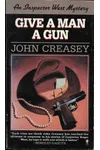
- A Gun for Inspector West / Give a Man a Gun (1953)
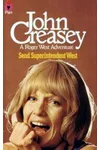
- Send Superintendent West / Send Inspector West (1953) - Roger transitions to Superintendent, taking on international intrigue.
- A Beauty for Inspector West / The Beauty Queen Killer (1954)
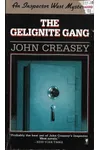
- Inspector West Makes Haste / The Gelignite Gang (1955)
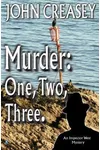
- Two for Inspector West / Murder: One, Two, Three (1955)
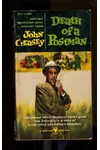
- Parcels for Inspector West / Death of a Postman (1956)
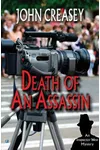
- A Prince for Inspector West / Death of an Assassin (1956)
- Find Inspector West / Doorway to Death / The Trouble at Saxby's (1957)
- Accident for Inspector West / Hit and Run (1957)
- Murder, London - New York (1958)
- Strike for Death / The Killing Strike (1958)
- Death of a Racehorse (1959)
- The Case of the Innocent Victims (1959)
- Murder on the Line (1960)
- Death in Cold Print (1961)
- The Scene of the Crime (1961)
- Policeman's Dread (1962) - A gritty examination of internal corruption and systemic pressures within Scotland Yard.
- Hang the Little Man (1963)
- Look Three Ways at Murder (1964)
- Murder, London - Australia (1967)
- Murder, London - South Africa (1967)
- So Young to Burn (1967)
- The Executioners (1967)
- Murder, London - Miami (1969)
- A Part for a Policeman (1970)
- Alibi / Alibi for Inspector West (1971)
- A Splinter of Glass (1972)
- The Theft of Magna Carta (1973)
- The Extortioners (1974)
- A Sharp Rise in Crime (1978) - The final novel in the series, rounding out West's decades-long career.
Where to Start with Roger West
The definitive starting point is the very first novel, Inspector West Takes Charge (1942). It sets the stage for Roger's career, establishes his initial reputation at Scotland Yard, and introduces the fundamental dynamics of his household. Starting here gives you the full scope of his long-term character development.
However, if you want a taste of the series' mid-period procedural style when Creasey fully hit his stride, Send Superintendent West (1953) is an excellent alternative. By this point, West has grown into a seasoned investigator, and the storytelling leans away from early thriller tropes into a more realistic police procedural structure that will satisfy fans of classic Yard mysteries.
The Evolution of the Series: From Action-Thriller to Procedural
Written over a span of thirty-six years, the Inspector West books reflect the dramatic shift in post-war mystery writing. Early novels, such as Inspector West Leaves Town and Inspector West Regrets, frequently feature high-action plots, dramatic chases, and the involvement of amateur sleuths. In these early books, West's friend, the wealthy adventurer Mark Lessing, frequently assists with investigations, lending the stories a classic 'amateur gentleman detective' flavor reminiscent of the era's popular fiction.
As the 1950s approached, John Creasey adjusted his approach. The novels evolved into dedicated police procedurals. The stories focused on the administrative realities, forensic sciences, and daily grind of Scotland Yard. Mark Lessing's role diminished, and Roger West emerged as a solo professional detective who relied on methodical teamwork, forensic clues, and sharp intuition. By the time books like Policeman's Dread (1962) were published, Creasey was tackling darker, more mature themes, including internal police corruption, public distrust, and systemic institutional stress.
The Heart of the Books: Roger's Family Life
One of the most distinctive features of the Inspector West series is the focus on Roger's home life. Unlike many fictional detectives who are isolated, cynical loners, Roger West is a devoted family man. Nicknamed 'Handsome' West by his colleagues, Roger enjoys a loving, playful, and supportive marriage with his wife, Janet. Throughout his high-pressure cases, Janet acts as a sounding board, occasionally worrying about the dangers of his job but remaining a pillar of stability.
The couple raises two sons, Martin and Richard—named after John Creasey's own sons. Readers watch the boys grow from children in the early 1940s novels into adults in the later entries. This family element grounds the series, giving the stakes a personal dimension and offering a comforting domestic contrast to the grim criminal investigations Roger leads on the streets of London.
What to Know Before You Start
Before diving into the series, keep these practical points in mind:
- Historical Context: The series spans from 1942 to 1978, meaning it captures a fascinating period of British history. You will see London transition from wartime blackout conditions and post-war austerity into the swinging sixties and the economically troubled 1970s. The technology of policing—from rotary phones and physical filing cabinets to early radios—changes accordingly.
- Title Discrepancies: John Creasey was incredibly prolific, writing over 600 novels under various pseudonyms. Because his books were published globally, American publishers often retitled the books to appeal to US audiences. Keep our alternative title list handy to avoid accidentally purchasing the same story twice.
- Standalone vs. Continuity: Each mystery is self-contained and resolved by the end of the book. You can pick up any individual novel and enjoy the plot without feeling lost. However, the background continuity—Roger's promotions, his changing relationship with Janet, and the growth of his sons—builds continuously across the run.
- No Official Crossovers: Although Creasey wrote other famous characters like Gideon of the Yard (under the name J.J. Marric) and The Toff, he kept Roger West's universe separate. While they share the same post-war London backdrop, there are no official crossovers where West teams up with Gideon or Richard Rollison.
Radio Adaptations
In the late 1960s and early 1970s, the BBC capitalized on the series' massive popularity by adapting several Inspector West novels into radio dramas. In a charming casting choice, the roles of Roger and Janet West were played by the real-life married acting duo Patrick Allen and Sarah Lawson, capturing the warm, companionable dynamic that Creasey established on the page. These radio plays helped cement Roger West as a household name in mid-20th-century Britain.