
How to Read the Inspector Vignoles Mystery Series
If you have a passion for classic steam trains, mid-century British history, and atmospheric police procedurals, Stephen Done's Inspector Vignoles Mystery series is a journey you won't want to miss. Centered on Detective Inspector Charles Vignoles of the British Railways Detective Department (formerly the LNER Police) and based out of Leicester Central Station, the series spans the transitional post-war era from 1946 to 1957. It captures a nation rebuilding from war, dealing with rationing, coal shortages, and shifting social landscapes, all set against the rhythmic clatter of steam locomotives.
For the best reading experience, readers have two main options: Chronological Order or Publication Order. Because Stephen Done wrote the books to correspond to consecutive years in Vignoles' life, the two lists are almost identical. The only exception occurs at the very end of the main sequence, where the eleventh book published is chronologically set after the twelfth.
The Recommended Reading Order (Chronological vs. Publication)
We recommend reading the books in Chronological Order. This allows you to experience the post-war timeline, the progression of the characters, and the gradual decline of the steam railway network exactly as they historically occurred. Below is the complete timeline of the Inspector Vignoles series, including where each book fits in the chronology:
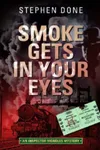
- Smoke Gets in Your Eyes (Published: 2007 | Set in: 1946)
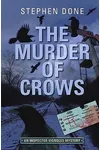
- The Murder of Crows (Published: 2008 | Set in: 1947)
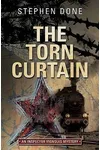
- The Torn Curtain (Published: 2009 | Set in: 1948)
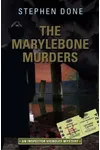
- The Marylebone Murders (Published: 2011 | Set in: 1949)
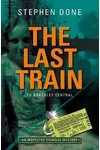
- The Last Train to Brackley Central (Published: 2012 | Set in: 1950)
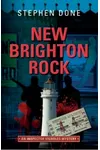
- New Brighton Rock (Published: 2013 | Set in: 1951)
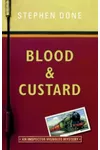
- Blood and Custard (Published: 2015 | Set in: 1952)
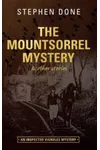
- The Mountsorrel Mystery & Other Stories (Published: 2017 | Set in: 1953)
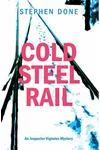
- Cold Steel Rail (Published: 2018 | Set in: 1954)
- Murder in Broadway (Published: 2019 | Set in: 1955)
- The Signalman's Daughter (Published: 2022 | Set in: 1956)
- This Transient Life (Published: 2021 | Set in: 1957)
If you prefer to follow the author's writing journey, you can read in strict Publication Order by simply swapping the final two titles: read This Transient Life before The Signalman's Daughter. However, reading them chronologically prevents minor continuity jumps regarding the railway system's state and Vignoles' personal life.
Detailed Chronological Guide to the Novels
1. Smoke Gets in Your Eyes (1946)
The series opens in the bleak autumn of 1946. DI Vignoles is sent to investigate a massive counterfeiting operation centered around the railway yards at Woodford Halse. When a body is discovered on the line, what seemed like a routine financial investigation quickly turns into a deadly web of murder, black market syndicates, and post-war desperation. It establishes the foggy, atmospheric tone of the series and introduces the recurring cast of the Leicester Detective Department.
2. The Murder of Crows (1947)
Set during the brutal "Big Freeze" of early 1947, when Britain was paralyzed by record-breaking snowstorms and fuel shortages. The discovery of a young woman's frozen body on a stranded passenger train pulls Vignoles into a chilling investigation. The harsh weather becomes an active adversary in this locked-room-style mystery that explores how far people will go to survive the bitter winter.
3. The Torn Curtain (1948)
In 1948, Cold War tensions are escalating across Europe. Vignoles' duties take him beyond Leicestershire all the way to the Adriatic port of Trieste. Investigating murders that seem connected to military intelligence, Vignoles finds himself caught between British authorities and foreign agents. This installment blends traditional railway detective work with international espionage.
4. The Marylebone Murders (1949)
Set in a smog-choked London in 1949, this novel begins with a body floating in the Regent's Canal near Marylebone Station. While the local metropolitan police are quick to dismiss the death of Jack Pym as a suicide, Vignoles is unconvinced. His investigation uncovers deep-seated family secrets, blackmail, and a conspiracy stretching along the Great Central mainline.
5. The Last Train to Brackley Central (1950)
In 1950, a schoolmaster boarding a train to Brackley Central is approached by a mysterious, distressed woman who makes a terrifying request before vanishing without a trace. When Vignoles is brought in to solve the mystery of the disappearing passenger, he discovers connections to a historic crime and a phantom-like figure who seems to have returned from the grave.
6. New Brighton Rock (1951)
The year is 1951, and the story shifts to the seaside resort of New Brighton. Vignoles is tasked with investigating a series of crimes that disrupt the holiday train schedules and the tight-knit railway community. The book contrasts the nostalgia of seaside holidays with the grittier realities of the evolving British Railways network.
7. Blood and Custard (1952)
Set in 1952, the title references the famous crimson-and-cream livery introduced by British Railways. The plot is one of the darkest in the series, following a serial killer targeting young trainspotters along the railway lines in Leicester. Vignoles must act quickly to stop a predator operating in the shadow of the steam engines.
8. The Mountsorrel Mystery & Other Stories (1953)
Set in 1953, this volume is unique because it is a collection of shorter mysteries and novellas, including "One Way Ticket." These stories focus on the daily life, loyalty, and unique crimes occurring within the self-contained world of the railway workers during the coronation year of Queen Elizabeth II.
9. Cold Steel Rail (1954)
Set during the Christmas season of 1954, this installment starts in rural Leicestershire but expands to London, Liverpool, and Manchester. Vignoles and his loyal team investigate a murder that exposes the vulnerabilities of the railway postal service and the transport of high-value goods during the festive rush.
10. Murder in Broadway (2019)
Set in 1955, this novel takes Vignoles to the scenic Cotswolds along the branch line to Broadway. The story explores the friction between local village communities and the modernization of the railway. Done focuses heavily on character stress and moral dilemmas in this mystery, which has become one of the top-selling local mysteries set in the region.
11. The Signalman's Daughter (1956)
Moving to 1956, Vignoles faces a deeply personal case involving the family of a local railway worker. As the golden age of steam begins to show signs of decline, the investigation dives into family loyalties, secret relationships, and the isolation felt by those living in remote railway cottages.
12. This Transient Life (1957)
Set in 1957 against the backdrop of the global Asiatic Flu pandemic, this novel sees Vignoles navigating a depleted workforce and his own health struggles while solving a complex case of theft and murder. The title reflects both the temporary nature of human life and the fading era of the steam locomotive, which was rapidly being replaced by diesel engines.
The DCI Jane Benson Spin-Off Series
In addition to the main Inspector Vignoles line, Stephen Done has expanded his literary universe to include a companion spin-off series focusing on the next generation of railway detectives. Set in 1972, this series features DCI Jane Benson, a pioneering female investigator navigating a male-dominated department at Bristol Temple Meads station during the drug-fueled 1970s.
- A Bullet in the Temple (2025) - The first book in the Jane Benson series. DCI Benson attempts to prove herself to her skeptical male colleagues while investigating a drug-trafficking network and trying to solve the historical murder of her mentor.
- By the Brook (Upcoming) - Subtitled "An old crime with long shadows," this forthcoming title is set to continue the 1972 storyline, linking the modern investigations of the 1970s back to the steam-era mysteries of the past.
What to Know Before You Start
The Inspector Vignoles books are deeply rooted in the author's real-life expertise. Stephen Done is a professional museum curator and a lifelong railway historian. This background shines through in the meticulous historical detail, from the specific engineering models of the locomotives to the authentic socio-economic struggles of the post-war period. The striking cover designs are a collaboration between Done, who provides the original paintings and photographs, and book designer Bill Citrine. The titles are highly celebrated by heritage railway preservation societies across the UK, and buying the books directly supports these volunteer-run railways.