


How to Read the Jim Chapel Missions
Written by David Wellington, the Jim Chapel Missions follow a wounded Special Forces veteran who lost his arm in Afghanistan and returns to service as a military intelligence operative. Using high-tech prosthetics and aided by a brilliant, disembodied hacker code-named Angel, Chapel hunts genetically modified super-soldiers, rogue drones, and legacy Cold War threats.
Fortunately for readers, the reading order is straightforward. The publication order matches the chronological timeline perfectly. You have two main pathways for tackling the series:
- The Full Experience (Recommended): Read all five entries in chronological order. This includes the three primary novels and the two digital novellas, which bridge the gaps between the main books.
- The Core Novels Only: If you are short on time, you can read just the three main novels (Chimera, The Hydra Protocol, and The Cyclops Initiative). However, you will miss out on key character development and subplots regarding illicit weapon smuggling rings.
Jim Chapel Books in Chronological and Publication Order
Whether you are buying the print editions or downloading the digital releases, here is the complete sequence of Jim Chapel's missions:
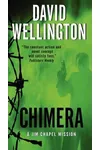
- Chimera (2013) – First full-length novel. Jim Chapel is pulled from his desk job to track down seven genetically modified superhuman escapees.
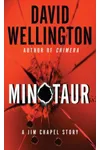
- Minotaur (2013) – Digital novella. Chapel investigates a smuggling ring bringing Russian weaponry onto American soil.
- Myrmidon (2013) – Digital novella. Directly following Minotaur, Chapel tracks illegal weapon stockpiles to a extremist camp in Colorado.
- The Hydra Protocol (2014) – Second full-length novel. Chapel teams up with a Russian spy to disable a rogue Soviet-era nuclear supercomputer.
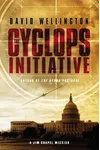
- The Cyclops Initiative (2016) – Third full-length novel. Framed for a terrorist attack, Chapel goes rogue to clear his hacker handler Angel's name.
Detailed Breakdown of the Jim Chapel Missions
To help you decide which books to acquire, here is a detailed breakdown of each mission's plot, style, and placement in the overarching storyline.
1. Chimera (2013)
This is the essential starting point for the series. Chimera introduces Jim Chapel as an ex-soldier relegated to administrative duties after losing his arm in combat. When a highly classified military research program goes wrong, seven genetically modified super-soldiers break free from a secret facility in upstate New York. Each escapee has been programmed to assassinate a specific civilian target. Chapel is called back to active service because his background makes him the perfect asset to hunt them down. Assisted by a veterinarian and guided remotely by a hacker named Angel, Chapel embarks on a cross-country chase that reveals deep government conspiracies. It establishes the central themes of the series: veterans' recovery, advanced technology, and high-stakes biotech terror.
2. Minotaur (2013)
Published shortly after the first novel, this novella functions as an intermediate mission. Rather than dealing with biotech, Minotaur pivots toward classic espionage. Chapel is tasked with tracking Ygor Favorov, a wealthy former Soviet double agent suspected of smuggling Russian arms into the United States to arm local terror groups. The story is highly action-focused, taking Chapel into a heavily fortified compound where he must navigate deadly guards in a layout that pays thematic homage to the mythical labyrinth of Theseus.
3. Myrmidon (2013)
Picking up the immediate threads left behind in Minotaur, this second novella sends Chapel to the rugged mountains of Colorado. He tracks the smuggled weapon caches directly to a heavily armed militia encampment. Myrmidon continues the classical Greek mythology naming convention and serves as the final transitional piece before the events of the second novel, giving readers a closer look at Chapel's adapting combat tactics with his prosthetic arm.
4. The Hydra Protocol (2014)
The second full-length novel raises the stakes to a global level. Thanks to a state-of-the-art prosthetic arm, Chapel is fully back in the field. When a sunken Soviet submarine is discovered in Cuban waters, it reveals that a dormant Cold War supercomputer called "HYDRA" is still active. Programmed decades ago to launch nuclear weapons at the United States in the event of a failsafe breach, the glitching computer threatens to trigger an accidental nuclear war. To prevent a global apocalypse, Chapel must form an uneasy alliance with Nadia, a lethal Russian intelligence operative. Their mission takes them across Eastern Europe and into the remote steppes of Central Asia.
5. The Cyclops Initiative (2016)
The final novel in the series shifts the perspective, placing Chapel on the run. Following a devastating drone attack on a shipping port in New Orleans, Chapel's hacker contact, Angel, is framed for the crime. Refusing to believe she is a terrorist, Chapel goes rogue, defying his superiors to locate and clear Angel's name. Hunted by the CIA, a highly trained Marine sniper, and lethal autonomous drones, Chapel must navigate the dark web and covert operations. The Cyclops Initiative wraps up the major character arcs of the series, particularly the mysterious relationship between Chapel and Angel.
What to Know Before You Start
David Wellington is widely known for his horror novels, such as his Monster Island zombie trilogy. When writing the Jim Chapel series, he combined elements of techno-thrillers (similar to the works of Michael Crichton and James Rollins) with his signature dark, fast-paced storytelling style. The series is highly kinetic, featuring frequent military tactical descriptions and intense fight scenes. The Jim Chapel Missions are currently considered complete, as Wellington has shifted his focus to other sci-fi subgenres, including his space horror Red Space trilogy.