




Where to Start Reading the Jim Hardman Series
The best way to experience the Hardman series is in its original publication order. The series introduces Jim Hardman—a former Atlanta police officer who resigned in disgrace—and Hump Evans—a Black former NFL player who has fallen on hard times—as an already functioning team. Since the novels rely heavily on the developing partnership between these two main characters and the shifting landscape of 1970s Atlanta, reading them in order allows you to see the growth of their friendship, the evolution of the city's racial and political climate, and the gradual deepening of Ralph Dennis's hardboiled style.
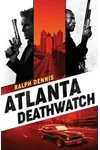
Start with the debut novel, Atlanta Deathwatch (1974). In this first outing, Hardman is hired by a Black mob boss to investigate the murder of a white college student. This case pulls both Hardman and Hump into a brutal turf war, setting the tone for the rest of the series: fast-paced, morally ambiguous, and deeply grounded in the real-world tensions of the era.
The Complete Jim Hardman Reading Order
Below is the complete order of the Jim Hardman novels, following their publication history and the official order recognized in modern reissues:
- Atlanta Deathwatch (1974) - Hardman and Hump are hired by a powerful black crime lord to investigate the murder of a white college girl, plunging them into a deadly street war.
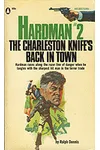
- The Charleston Knife's Back in Town (1974) - Hardman searches for three kids who robbed an illegal high-stakes gambling party, placing them directly in the crosshairs of a ruthless hitman.
- The Golden Girl and All (1974) - Hardman tracks down a seductive drug dealer who has kidnapped her own daughter, leading to a confrontation involving a suitcase filled with cash.
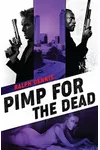
- Pimp for the Dead (1974) - The duo investigates the death of a young woman connected to Atlanta's prostitution rings, navigating a web of corruption and exploitation.
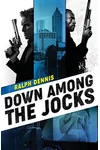
- Down Among the Jocks (1974) - Drawing on Hump's background in professional sports, Hardman and Hump investigate the suspicious death of a professional football player.
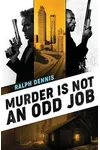
- Murder Is Not an Odd Job (1974) - Hardman takes on a case involving a series of murders in Atlanta's gay community, displaying Dennis's ahead-of-its-time treatment of marginalized groups.
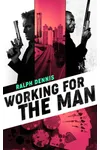
- Working for the Man (1976) - Hardman is hired to protect a politician running for office, exposing the corrupt underbelly of Southern municipal politics.
- The Deadly Cotton Heart (1976) - A complex case involving counterfeit money and small-town Southern power structures that forces Hardman out of his Atlanta comfort zone.
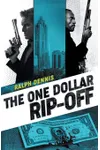
- The One Dollar Rip-Off (1977) - Hardman investigates the murder of a young street hustler, showing the grim realities of the working class and transient population.
- The Last of the Armageddon Wars (1977) - A tense thriller dealing with extreme right-wing groups and political terrorism in the South.
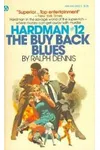
- The Buy Back Blues (1977) - Hardman is hired to negotiate the return of stolen jewels, which leads to a deadly double-cross.
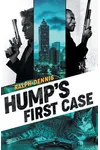
- Hump's First Case (1977) - Hump takes the lead on a runaway case involving motorcycle gangs, while Hardman tries to keep him from getting killed.
- All Kinds of Ugly (2020) - The long-lost thirteenth novel, which sees Hardman travel to London to locate a missing heir, only to bring a trail of violence back to Atlanta.
Note: There is a minor discrepancy in some historical bibliography lists regarding the exact publication years of a few titles, particularly "Working for the Man," which is occasionally listed as late 1974. However, reading them in the sequence listed above provides the smoothest and most logical character progression.
Chronological Caveats: Hump's First Case
One common point of confusion for new readers is the twelfth book in the series, Hump's First Case. Despite its title, this book is not a prequel. It does not depict Hump Evans's actual first case, nor does it tell the origin story of how he and Hardman met. Instead, the title is somewhat ironic.
In this installment, Hardman accidentally witnesses a convenience store robbery and murder. When the parents of one of the suspects try to hire him to track down their runaway daughter, Hardman declines the case. However, Hump Evans, who is bored and short on cash, decides to accept it on his own. As Hump plunges into the gritty world of motorcycle clubs, drugs, and prostitution, he finds himself in over his head and eventually requires Hardman's help to get out alive. It remains the twelfth book in the reading order.
The Resurrection of "All Kinds of Ugly"
For over forty years, fans believed that the Jim Hardman series ended with the publication of The Buy Back Blues in 1977. However, in the late 2010s, Lee Goldberg, the co-founder of Brash Books, uncovered a long-lost manuscript written by Ralph Dennis. Originally titled Hardman in London, this completed manuscript had been sitting in an archive for decades.
Brash Books published the novel in February 2020 under the title All Kinds of Ugly. The story follows Hardman as he is hired by a wealthy Georgia lawyer to travel to London to locate a missing heir. The case turns deadly, involving embezzlement and murder, and follows Hardman all the way back to Atlanta.
Although published posthumously in 2020, All Kinds of Ugly was written during the series' original run and represents the official 13th book. It serves as a fitting, atmospheric conclusion to Jim Hardman's adventures and was recognized as a finalist for the Shamus Award for Best Paperback Original in 2020.
What to Know Before You Start: Tone, Themes, and Influence
Ralph Dennis's Jim Hardman series is widely regarded as a lost masterpiece of hardboiled noir. If you are preparing to dive into these novels, here are a few key details to keep in mind:
An Equal, Cross-Racial Partnership in the 1970s
In the mid-1970s, crime fiction rarely featured equal partnerships between white and Black characters. Hardman and Hump are true partners who share their fees, protect each other, and respect one another's skills. Dennis does not shy away from the intense racial tensions of 1970s Atlanta, using the duo's partnership to examine the city's social dynamics with an honest, unsentimental lens.
The City of Atlanta as a Character
Unlike many contemporary PI novels that take place in Los Angeles or New York, the Hardman series is deeply rooted in Atlanta. Dennis captured the transition of the city during a turbulent decade—exploring its rundown neighborhoods, corrupt political halls, dive bars, and changing demographics. The vivid local geography makes Atlanta feel like a living, breathing part of the story. Dennis's background—including a master's degree from the University of North Carolina and time studying at the Yale School of Drama—gave him a theatrical ear for dialogue and a keen eye for atmospheric detail, allowing him to paint Atlanta with incredible realism.
Influence on Modern Crime Fiction
The series has achieved cult-classic status among modern noir writers. Joe R. Lansdale, the creator of the popular Hap and Leonard series, has frequently credited Dennis's work as a major influence on his own books. Lansdale, who was a fan of Dennis, has written introductions for several of the Brash Books reissues. If you enjoy the witty, gritty banter of Hap and Leonard, you will find its blueprint in Hardman and Hump.
Standalone vs. Serial Reading
While the books can technically be enjoyed as standalone crime thrillers because each features a self-contained case, the background details—such as Hardman's living arrangements, his relationship with his landlord, and his evolving friendship with Hump—develop incrementally. For the most rewarding experience, stick to the publication order.