



The Recommended Reading Path for Inspector John Crow
For readers diving into the cases of Inspector John Crow, the recommended reading path is straightforward: follow the original publication order. Because the books trace Crow's career step-by-step and show the evolution of his investigative methods, reading them chronologically as they were published offers the most rewarding experience. The chronological progression of the series mirrors the order in which they were written, so there are no complicated prequels or timeline jumps to worry about.
However, the biggest hurdle for modern collectors and readers is the widespread presence of alternative titles. Many of the novels were republished under different names in regional markets (such as the United States) or re-released in digital formats by publishers like Joffe Books. To help you avoid purchasing the same novel twice, our list below includes both the original UK titles and their more recent, descriptive retitlings.
Inspector John Crow Books in Publication Order
Here is the complete sequence of the Inspector John Crow series by original publication date, along with their common alternative titles:
- A Lover Too Many (1969) — This debut introduces Inspector Crow as he investigates the murder of a woman found strangled shortly after returning to her husband, who has already found a new lover.
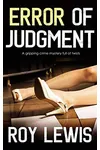
- Error of Judgment (1971) — Crow is sent to investigate the suspicious death of a college principal's secretary, navigating campus unrest and administrative secrets.
- A Secret Singing (1972) — Also published as The Woods Murder. This case centers around a child's body discovered in a rural wood, exposing deep tensions in a tight-knit village community.
- Blood Money (1973) — Also published as Murder for Money. Crow looks into a complicated financial motive behind a brutal crime, leading him on a trail of greed and deception.
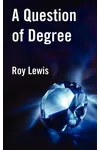
- A Question of Degree (1974) — Also published as Murder in the Mine. A murder investigation in a Welsh mining community expands into a transatlantic search for answers.
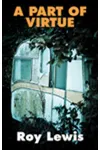
- A Part of Virtue (1975) — Also published as A Cotswolds Murder. Crow investigates the death of a caravan park manager, Chuck Lindop, and uncovers a web of local burglaries, grudges, and illicit dealings.
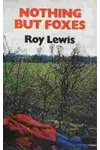
- Nothing But Foxes (1977) — Also published as A Fox Hunting Murder. Set in Northumberland, a traditional autumn fox hunt turns grim when participants discover a human corpse instead of their quarry.
- A Relative Distance (1981) — Also published as A Dartmoor Murder. In this final installment, Crow travels to the desolate landscape of Dartmoor to resolve a complex mystery involving fractured family relationships.
What to Know Before You Start
Roy Lewis's John Crow series was written and set during the late 1960s and 1970s. As a result, the stories are classic, slow-burn police procedurals. You won't find high-tech forensic science, DNA testing, or mobile phones here. Instead, Crow relies on patience, psychological insight, detailed questioning, and good old-fashioned legwork to break down alibis and expose motives.
One of the defining elements of the series is the tension between Scotland Yard and local provincial forces. As an investigator sent from London, Crow is frequently viewed as an unwelcome outsider by regional police departments in Wales, the Midlands, or Northern England. Navigating this professional hostility is often just as difficult for Crow as solving the actual murder.
Furthermore, the series stands out for its atmospheric settings. Lewis moves Crow away from the streets of London and drops him into rural caravan sites, coal mines, rolling hills, and country estates. These locations aren't just backdrops; they play a central role in the plots, highlighting the decline of traditional rural life and the social changes occurring in post-war Britain.
Spin-offs, Co-authored Works, and Companion Series
The Inspector John Crow series is entirely written by Roy Lewis alone, with no co-authors, companion guides, or direct spin-off series. Once you finish the eight John Crow novels, the story of this specific detective concludes.
However, if you enjoy Roy Lewis's writing style, his legal background, and his focus on character-driven British mysteries, he is also highly celebrated for two other long-running series:
- The Arnold Landon Series: This series follows a mild-mannered, self-taught archaeologist and historic buildings inspector who repeatedly finds himself caught up in murder investigations related to property development, historic preservation, and ancient artifacts.
- The Eric Ward Series: Centering on a former police inspector forced into early retirement due to failing eyesight who subsequently trains as a solicitor, this series blends legal thrillers with corporate crime and traditional detective work.