
The Recommended Reading Path
For most readers diving into the murky waters of Elizabethan espionage, the best path is the Publication Order. Rory Clements began the series in 2009 with Martyr, establishing John Shakespeare as a skilled, empathetic investigator. Reading the books in the order they were written allows you to experience John's personal and professional evolution as the author intended. The stylistic pacing, character relationships, and overarching political tension build naturally this way.
However, if you want to follow the historical timeline strictly from John's early days as a green investigator to his seasoned operations, you can choose the Chronological Order. In this path, you start with the prequels The Queen's Man and Holy Spy (which were written later in the series' run) before proceeding with the rest of the novels. Either way, the series offers a rich, atmospheric journey through one of England's most turbulent eras.
Here is a quick look at the two options side by side:
The Publication Order
- Martyr (2009)
- Revenger (2010)
- Prince (2011)
- Traitor (2012)
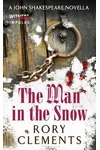
- The Man in the Snow (2012 - Novella)
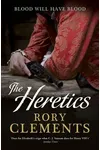
- The Heretics (2013)
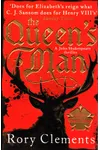
- The Queen's Man (2014)
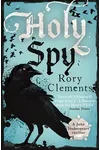
- Holy Spy (2015)
The Chronological Order
- The Queen's Man (Set in 1582)
- Holy Spy (Set in 1586)
- Martyr (Set in 1587)
- Revenger (Set in 1592)
- Prince (Set in Spring 1593)
- Traitor (Set in 1593)
- The Man in the Snow (Set in Late 1593)
- The Heretics (Set in 1595)
Detailed Publication Order and Settings
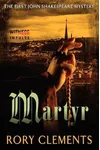
Martyr (2009)
Set in 1587, the series debut introduces us to John Shakespeare. He is tasked by the Queen's spymaster, Sir Francis Walsingham, to investigate a gruesome murder and unravel a conspiracy to assassinate Sir Francis Drake. The backdrop is highly tense, with the shadow of Mary, Queen of Scots' execution looming over the realm. This book establishes John's complex personal life, including his Catholic wife, Catherine, which adds intense danger to his Protestant-aligned investigations.
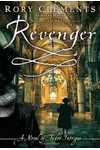
Revenger (2010)
Set in 1592, this novel won the 2010 CWA Ellis Peters Historical Fiction Award. John Shakespeare has retired from the intelligence service, seeking a quieter life. However, he is pulled back into the fold to investigate the murder of a prominent courtier and a treasonous plot by the Earl of Essex. The story captures the ruthless transition of power and the moral compromises of Elizabeth's aging court.
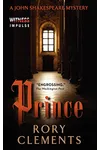
Prince (2011)
Set in the spring of 1593, Prince deals with the terrifying threat of gunpowder and sabotage in London. Shakespeare is sent to track down a rogue spy and intercept Spanish saboteurs. The atmosphere of suspicion is thick, and the book masterfully details the panic of a city under constant threat of foreign invasion and domestic terror.
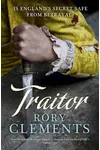
Traitor (2012)
Also set in 1593, this installment deals with the threat of a second Spanish Armada. While the plague ravages London, John Shakespeare travels to the coast to investigate a mysterious conspiracy involving high-ranking officials and Spanish sympathizers. It highlights the desperate measures taken by the crown to maintain control during a multi-front crisis.
The Man in the Snow (2012 Novella)
This winter novella is set during the cold Christmas season of late 1593. When a wealthy courtier is found dead in a snowdrift near the River Thames, crowned with a holly wreath and shot in the back, Shakespeare must solve the puzzle before the holidays end. It serves as a short, atmospheric bridge between the larger novels.
The Heretics (2013)
Set in 1595, this book focuses heavily on the brutal persecution of recusant Catholics. John Shakespeare is caught in a web of religious persecution, torture, and a conspiracy that reaches the highest levels of government. It is one of the darkest and most emotionally charged books in the series.
The Queen's Man (2014)
Although published seventh, this novel acts as a prequel set in 1582. It showcases a younger, less cynical John Shakespeare on his first major mission. He is sent to protect a young noblewoman who holds secrets that could destroy Walsingham's intelligence network. It provides crucial backstory on how John became the Queen's trusted intelligencer.
Holy Spy (2015)
Set in 1586, this prequel follows the events of The Queen's Man and leads directly into the timeline of Martyr. Shakespeare investigates a series of murders linked to the Babington Plot, a real-life conspiracy to assassinate Elizabeth I and place Mary, Queen of Scots on the throne. This book acts as the final entry in the series, rounding out John's early spy years.
What to Know Before You Start
Rory Clements' John Shakespeare series is highly regarded for its historical authenticity. Unlike generic historical thrillers, Clements spent years researching the daily lives, smells, and political realities of late 16th-century London. The protagonist is the fictional elder brother of William Shakespeare. While William does make occasional cameo appearances, he remains a background character to ensure the focus stays on the gritty espionage rather than literary trivia.
The series deals with heavy themes of religious conflict. The struggle between the Protestant state and the outlawed Catholic minority is central to the plot and characters. John Shakespeare himself is a man of conscience caught in the middle; he serves a Protestant government but must navigate the fact that many of his family members and loved ones hold Catholic beliefs. This moral gray area elevates the series beyond simple adventure tales.
Practical Reader Advice and Connections
Can the books be read as standalones? Yes, each novel contains a self-contained mystery that is resolved by the end of the book. However, the overarching character development, John's domestic struggles, and his shifting relationships with historical figures like Robert Cecil and Richard Topcliffe develop chronologically. Therefore, jumping around too much is not recommended.
For fans wondering about other works by Rory Clements, he has written other popular historical series, including the Tom Wilde books (set during World War II) and the Sebastian Wolff series. There are no crossover plots or character connections between these series and the John Shakespeare books. They are entirely separate universes, though they share the same meticulous research and high-stakes thriller pacing that Clements is famous for.