
The Recommended John Sutter Reading Order
For readers looking to dive into the elite, decaying world of Long Island's North Shore, the reading order is straightforward. Because the narrative relies on deep character development, shifts in relationships, and long-term consequences of past choices, it is highly recommended to read the books in their official publication order. The story begins with a clash of cultures in the 1990 classic and concludes with a tense, high-stakes homecoming in the 2008 follow-up.
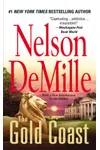
- The Gold Coast (First published in 1990)
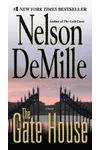
- The Gate House (First published in 2008)
Sutter's Saga: Book-by-Book Breakdown
1. The Gold Coast (1990)
We are introduced to John Sutter, a sarcastic, tax attorney with old-money connections, and his wife, Susan Stanhope Sutter, who descends from Long Island royalty. Living in Stanhope Hall's guest house on the historic North Shore, John is acutely aware of the fading glamour of his class. Enter Frank Bellarosa, a charismatic, wealthy, and dangerous Mafia don who purchases the neighboring estate. Frank quickly insinuates himself into the Sutters' lives, tempting them with power, sex, and danger. The novel is a slow-burn thriller that details how easily traditional morality collapses under the weight of seduction, culminating in a shocking act of violence that changes John and Susan forever.
2. The Gate House (2008)
Set a decade after the explosive events of the first book, the sequel picks up after John has spent years sailing the world in a desperate bid to escape his past. Returning to Long Island for a family funeral, John takes up residence in the gatehouse of the Stanhope estate, which has since been sold off. Although Frank Bellarosa is long dead, the shadows of the past loom large. Frank's son, Anthony Bellarosa, is determined to seek vengeance against Susan Sutter for his father's death. As John and Susan are drawn back together, they must navigate the dangerous schemes of a new generation of mobsters while confronting the unresolved ruins of their marriage.
Publication vs. Chronological Reading Order
While the publication gap between the two novels is eighteen years, the chronological in-universe gap is only ten years. Because the books follow a linear sequence, chronological order and publication order are identical. The substantial real-world gap between the two releases allowed Nelson DeMille to reflect on how both the physical landscape of Long Island's Gold Coast and the cultural attitudes toward wealth and organized crime evolved between the late Cold War era and the post-9/11 financial boom of the late 2000s.
Literary Context: The Godfather Meets The Great Gatsby
DeMille frequently described the concept of the series as "The Godfather meets The Great Gatsby." The duology heavily invokes the themes of F. Scott Fitzgerald's masterpiece, exploring the sharp divide between old-money aristocrats and the flashy, aggressive "new money" represented by the criminal underworld. The decaying mansions, the obsession with status, and the cynical social commentary are modern updates to the classic themes of class and corruption on Long Island. Interestingly, local historians have noted that characters like Susan Sutter were partially inspired by real-life North Shore figures, such as local historian Monica Randall, who documented the decline of the Gold Coast's historic estates.
Practical Reading Advice and Standalone Feasibility
Many readers ask if The Gold Coast can be read as a standalone. The short answer is yes. In fact, for eighteen years, it existed solely as a standalone novel, and its ending is complete and satisfying. However, reading The Gate House without having read the first book is highly discouraged. The emotional weight of the sequel, the complexity of John and Susan's estranged relationship, and the motivations of the Bellarosa family depend entirely on the history established in the first novel. To get the full impact of John's dry wit and his evolutionary journey from a cynical lawyer to a survivor of criminal warfare, start at the beginning.
What to Know Before You Start
Unlike DeMille's fast-paced John Corey police thrillers, the John Sutter books are character-driven social satires with thriller elements. John Sutter’s first-person narration is incredibly cynical, sardonic, and filled with dark humor. The pacing is deliberate, taking time to describe the architecture, history, and social dynamics of the Long Island elite. Readers should prepare for a novel that is as much an exploration of class decay and marriage as it is a story about the Mafia.