






The Recommended Reading Order
For the best experience, readers should follow the Publication Order of the J.W. Wells & Co. series. Because the series builds upon the rules of its magical bureaucracy and features subtle character crossovers and office shakeups, reading the books in the order they were written is highly recommended. While some books feature standalone protagonists, the background world of J.W. Wells & Co. evolves chronologically from one novel to the next.
Here is the recommended reading path:
- The Portable Door (2003)
- In Your Dreams (2004)
- Earth, Air, Fire and Custard (2005)
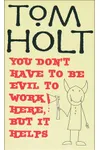
- You Don't Have to Be Evil to Work Here, But It Helps (2006)
- The Better Mousetrap (2008)
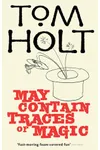
- May Contain Traces of Magic (2009)
- Life, Liberty, and the Pursuit of Sausages (2011)
- The Eight Reindeer of the Apocalypse (2023)
Breaking Down the Series
The Paul Carpenter Trilogy (Books 1–3)
The series begins with a core trilogy focused on Paul Carpenter, a bumbling university dropout who accidentally lands a job at the mysterious London firm J.W. Wells & Co. Through these three books, readers are introduced to the primary mechanics of the magical corporate world.
- The Portable Door (2003): Paul startles his way into an internship at a firm that deals in love potions, fairy-tale pest control, and corporate bureaucracy. He is paired with Sophie and quickly has to master magical items like a portable door that teleports the user anywhere.
- In Your Dreams (2004): Paul gets a promotion he definitely did not want. He is tasked with managing dreams, fending off the Fey, and dealing with office politics that are literally legendary.
- Earth, Air, Fire and Custard (2005): Paul's story reaches its chaotic climax. He finds himself battling magical custard, corporate conspiracies, and navigating the literal depths of corporate hell to save the day.
The Changing Protagonists (Books 4–7)
After the initial trilogy, Tom Holt shifts the focus to different employees, clients, and departments connected to the J.W. Wells & Co. universe, exploring how magic affects other aspects of everyday business.
- You Don't Have to Be Evil to Work Here, But It Helps (2006): The focus shifts to Colin Hollinghead, whose father makes a disastrous deal with the devil to save the family widget factory. Colin must enlist the help of J.W. Wells & Co. to sort out the metaphysical contract, while the firm itself undergoes a hostile takeover.
- The Better Mousetrap (2008): This novel centers on Frank Carpenter, a wizard working for the firm, who handles an bizarre insurance case involving Jane, a woman who has a habit of repeatedly dying and returning to life.
- May Contain Traces of Magic (2009): Chris Popham, a traveling salesman with no magical skills, sells the firm's bizarre magical inventory to regular shops. He is accompanied by a GPS navigation system possessed by a demon.
- Life, Liberty, and the Pursuit of Sausages (2011): Polly is an ordinary property lawyer who starts noticing reality glitching—such as her dry cleaner disappearing and chickens driving cars. She is pulled into a transdimensional mess linked directly to the J.W. Wells corporate orbit.
The Next Generation (Book 8)
- The Eight Reindeer of the Apocalypse (2023): After a twelve-year hiatus, Holt returned to the universe, shifting focus to a rival or successor firm of commercial sorcerers, Dawson, Ahriman & Dawson. The partners attempt to recruit Santa Claus to fill a vacant godhood slot while facing the end of the world.
What to Know Before You Start
The J.W. Wells & Co. series is heavily inspired by The Sorcerer, a classic Gilbert and Sullivan operetta. The firm itself takes its name from the operetta's character John Wellington Wells, a family sorcerer. Tom Holt updates this concept by transplanting the magical business into a modern corporate landscape, parodying everything from performance reviews to HR guidelines.
While the later books feature different main characters, we advise against jumping in mid-series. The office politics, the magical mechanics of the world, and the corporate changes (such as the hostile takeovers and shifts in corporate structures) make much more sense if you start with the foundation built in the first three books.
The Portable Door Film Adaptation
In 2023, the first book of the series, The Portable Door, was adapted into a feature film. Directed by Jeffrey Walker, the movie stars Christoph Waltz as Humphrey Wells and Sam Neill as Dennis Tanner, alongside Patrick Gibson as Paul Carpenter. The adaptation brought the series' trademark blend of dry British workplace humor and magical fantasy to the screen, introducing the corporate sorcerers of J.W. Wells & Co. to a global audience.