

The Recommended Reading Paths for Lew Archer
For readers diving into the cases of private investigator Lew Archer, the series offers a flexible structure. Because each case stands alone with its own self-contained mystery and cast of suspects, you do not need to read the novels in strict order to enjoy them. However, the character and the writer's style both undergo a clear evolution over the decades. Depending on your preferences, there are three primary paths to choose from:
1. The Publication Path (Recommended)
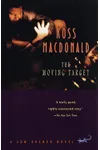
Starting with The Moving Target (1949) and progressing chronologically allows you to watch the series grow from a traditional hardboiled noir homage into a sophisticated literary achievement. You will see Archer shift from a cynical, wisecracking detective in the mold of Philip Marlowe to a compassionate, listening figure who acts more like a therapist than a traditional investigator.
2. The Artistic Turning Point Path
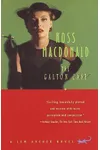
If you want to skip the early, more derivative hardboiled entries and start where Ross Macdonald truly found his unique voice, pick up The Galton Case (1959). This eighth novel introduces the themes of family trauma, generational secrets, and Freudian psychological depth that defined the latter half of the series. If you love this book, you can go back to the beginning or continue forward.
3. The Peak Plotting Path
If you want to experience the series at its absolute plotting peak, start with The Chill (1963). Widely praised by modern crime writers, this novel features a masterfully complex web of missing persons, buried family histories, and overlapping timelines that showcases Ross Macdonald at the height of his powers.
Lew Archer Novels in Publication Order
Ross Macdonald published 18 novels featuring Lew Archer between 1949 and 1976. The chronological timeline of the stories matches their publication years, tracing the transition of Southern California from the post-war boom of the late 1940s to the environmental and social disillusionment of the mid-1970s. Here is the complete list of novels in order:
- The Moving Target (1949) – Also published under the title Harper to tie in with the 1966 film adaptation.
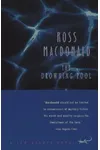
- The Drowning Pool (1950) – Archer investigates a blackmail case in a corrupt oil town.
- The Way Some People Die (1951) – A gritty search for a missing woman that leads into the drug underworld.
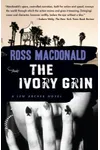
- The Ivory Grin (1952) – Also published as Marked for Murder; a case involving a fugitive woman and a mysterious doctor.
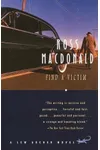
- Find a Victim (1954) – Archer is dragged into a conspiracy after rescuing a bleeding man on the highway.
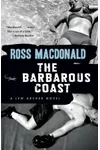
- The Barbarous Coast (1956) – A dive into the dark side of Hollywood, swimming pools, and beach clubs.
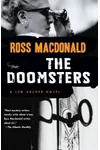
- The Doomsters (1958) – A turning point novel where Archer begins to focus heavily on psychological family drama.
- The Galton Case (1959) – The landmark novel dealing with a missing heir and deeply personal family secrets.
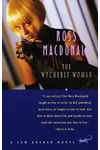
- The Wycherly Woman (1961) – Archer searches for a young woman who disappeared after her mother's divorce.
- The Zebra-Striped Hearse (1962) – A thrilling hunt for a suspicious painter marrying a wealthy man's daughter.
- The Chill (1963) – A masterpiece of plotting centered on a runaway bride and a cold case murder.
- The Far Side of the Dollar (1965) – Winner of the Gold Dagger Award; follows Archer as he searches for a runaway boy from a reform school.
- Black Money (1966) – A deep look at wealth, resentment, and identity in a California canal community.
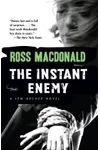
- The Instant Enemy (1968) – A fast-paced case involving a runaway teenager and a hostage situation.
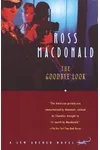
- The Goodbye Look (1969) – A massive bestseller exploring a stolen gold box and multi-generational trauma.
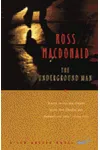
- The Underground Man (1971) – Set against the backdrop of a raging forest fire, Archer searches for a kidnapped boy.
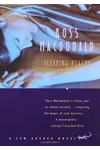
- Sleeping Beauty (1973) – Environmental disasters and family dysfunction collide when a young woman vanishes near an oil spill.
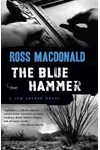
- The Blue Hammer (1976) – The final novel in the series, centered on a missing painter and a web of art forgery.
The Short Stories: The Archer Files
In addition to the 18 novels, Ross Macdonald wrote several short stories featuring Lew Archer. While early paperback collections like The Name Is Archer (1955) and the later Lew Archer: Private Investigator (1977) are out of print, all of Archer's shorter cases have been collected in a single definitive volume:
- The Archer Files: The Complete Short Stories of Lew Archer, Private Investigator (2007) – Edited by Macdonald's biographer Tom Nolan, this volume contains every short story, including early pieces like "Find the Woman" (where Archer first appeared in 1946) and classics like "Midnight Blue" and "Sleeping Dog." The book also includes unfinished fragments and case notes found in Macdonald's private notebooks, offering a rare look at his writing process.
Chronological Caveats and Universe Continuity
The Lew Archer series features very little direct continuity between books. Characters from previous novels rarely return, and Archer's personal life remains largely in the background. We know he is a World War II veteran, a former cop who was fired from the Sacramento police department, and a divorced man whose ex-wife Sue is occasionally mentioned but never appears on the page. Because of this, you do not need to worry about missing plot threads if you read the books out of order.
The main continuity to keep in mind is the passage of time. Archer ages slowly across the three decades of the series, and the changing culture of California is central to the tone. The sunny, optimistic California of the late 1940s gradually gives way to the counterculture friction, suburban anxiety, and environmental crises of the 1970s.
Adaptations and Screen Spin-offs
Lew Archer has transitioned to the screen in several notable adaptations, though the character's name was famously altered in his most famous cinematic outings:
- Harper (1966) & The Drowning Pool (1975): Paul Newman starred in these two feature film adaptations, based on The Moving Target and The Drowning Pool respectively. The detective's last name was changed from "Archer" to "Harper" because Newman believed movies starting with the letter "H" brought him good luck (following The Hustler and Hud).
- The Underground Man (1974): A TV movie pilot starring Peter Graves as Lew Archer.
- Archer (1975): A short-lived NBC television series starring Brian Keith as Lew Archer, which ran for just six episodes.
What to Know Before You Start
Ross Macdonald (the pen name of Kenneth Millar) did not write simple detective stories. He used the detective genre to explore deep psychological trauma, often drawing from his own troubled childhood and family struggles. Unlike classic hardboiled detectives who use their fists to solve crimes, Archer uses empathy. He listens, observes, and pieces together the generational sins of families whose past crimes inevitably catch up with their children. When you start reading Lew Archer, prepare for beautifully poetic prose, rich atmosphere, and mystery plots that feel less like puzzles and more like Greek tragedies.