


Where to Begin Your Journey in Roman Britain
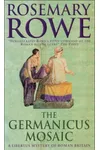
If you are ready to explore the gritty, vivid world of 2nd-century Roman Britain, the best place to start is at the absolute beginning with The Germanicus Mosaic (1999). This first installment introduces us to Libertus, a Celtic freedman and master mosaicist who works under the patronage of the influential Roman citizen Marcus Septimus. Because the series develops Libertus's personal life—including his ongoing search for his lost wife, his relationships with his household, and his complex status as a former slave—reading the books in order of publication is highly recommended.
While each book features a self-contained mystery that is resolved by the final page, the overarching character growth and historical progression build sequentially. Starting mid-series might leave you confused about Libertus's evolving household, his changing status, and the shifting political landscape of the Empire.
Publication Order vs. Chronological Order
For the Libertus mysteries, you do not need to worry about confusing timelines, prequels, or chronologically misplaced flashbacks. Rosemary Rowe wrote the books in a linear sequence that aligns perfectly with their internal chronology. As the years passed in the real world between 1999 and 2023, the years progressed steadily for Libertus in ancient Glevum (modern-day Gloucester) and Londinium (London). Following the publication order is identical to following the chronological order, making this an exceptionally straightforward series to collect and read.
The Complete Libertus Reading Order
Here is the complete sequence of all 20 novels in the series, following their publication and chronological timeline:
- The Germanicus Mosaic (1999) – The series opener introduces Libertus as he investigates the suspicious death of a retired centurion.
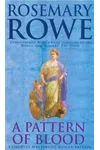
- A Pattern of Blood (2000) – Hired to lay a mosaic for a wealthy patron, Libertus is drawn into a murder investigation when a body is discovered in the house.
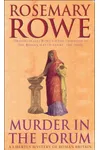
- Murder in the Forum (2001) – Libertus probes the sudden death of an imperial favorite during a grand celebratory feast.
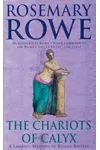
- The Chariots of Calyx (2002) – A journey to Londinium sees Libertus investigating the murder of a prominent grain officer.
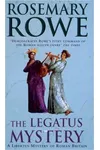
- The Legatus Mystery (2003) – When a high-ranking emissary is killed, Libertus must navigate delicate political tensions to find the culprit.
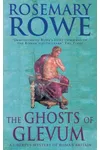
- The Ghosts of Glevum (2004) – Superstition and fear grip the town when mysterious, seemingly ghostly occurrences surround a series of local deaths.
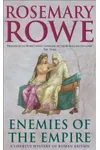
- Enemies of the Empire (2005) – Political rebellion and Celtic unrest boil over, pulling Libertus into a dangerous conspiracy against Roman rule.
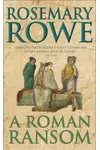
- A Roman Ransom (2006) – Libertus must solve a kidnapping and ransom case that threatens his own patron's status.
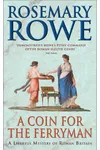
- A Coin for the Ferryman (2007) – A grim discovery at a local burial site leads Libertus to uncover a web of greed and betrayal.
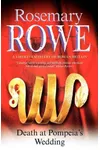
- Death at Pompeia's Wedding (2008) – A joyous celebration turns tragic when a murder occurs during a high-profile Roman wedding.
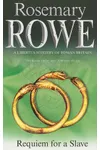
- Requiem for a Slave (2010) – Exploring the dark underbelly of the Roman slave trade, Libertus investigates a murder that hits close to home.
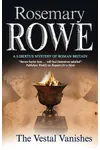
- The Vestal Vanishes (2011) – Libertus is tasked with finding a missing priestess, exposing the religious and social divides of the province.
- A Whispering of Spies (2012) – Rumors of treason and espionage in Glevum force Libertus to identify a hidden double agent.
- Dark Omens (2013) – Following the death of the Emperor, a brutal winter and disturbing portents spark panic that Libertus must quell.
- The Fateful Day (2015) – A high-stakes race against time as Libertus attempts to solve a murder before an innocent person is executed.
- The Ides of June (2016) – Political plotting reaches a peak as Libertus uncovers a conspiracy scheduled to strike on a specific summer date.
- The Price of Freedom (2018) – Libertus reflects on his own past while investigating a crime involving fellow freedmen and the high cost of liberty.
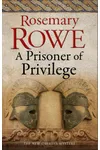
- Prisoner of Privilege (2020) – A mystery surrounding the elite citizens of Glevum, where wealth and status shield the guilty.
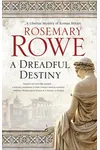
- A Dreadful Destiny (2021) – As Libertus grows older, he must confront a complex puzzle involving family legacies and ancient vendettas.
- The Rewards of Treachery (2023) – The final novel in the series wraps up Libertus's long-running journey with one last intricate conspiracy.
What to Know Before You Start
Rosemary Rowe is the pen name of Rosemary Aitken, an English scholar and author who bring meticulous historical research to these novels. Unlike many Roman historical mysteries that focus on the imperial court or military campaigns, the Libertus series focuses on the everyday lives of ordinary citizens, slaves, freedmen, and native Celts. Libertus's perspective as a Celtic freedman provides a unique lens, highlighting the cultural friction between occupied Britain and its Roman conquerors.
Readers should expect intellectual puzzles. Libertus's background as a mosaicist is not just a trade; it defines how he solves crimes. He approaches mysteries like a mosaic, collecting individual fragments (clues) and arranging them until a clear, undeniable picture emerges. The tone is cozy yet historically authentic, avoiding gratuitous violence while accurately depicting the harsh realities of ancient Roman law and social stratification.
Spin-offs, Co-authored Works, and Tie-ins
The Libertus series is entirely self-contained. Rosemary Rowe has not written any spin-offs, short story collections, or companion guides set in the same universe. There are no co-authored books. All 20 novels were written solely by Rowe, ensuring a highly consistent narrative voice, tone, and character portrayal from the first page of the debut novel to the final sentence of the conclusion.