
The Recommended Reading Order for Lily Bard
When diving into Charlaine Harris’s gritty, character-driven mystery series, the best path is the direct one. Because the series relies heavily on Lily Bard's emotional healing, evolving relationships, and career progression, readers should follow the publication order. Reading these books out of order will spoil significant character developments and changes in Lily’s personal life, particularly her transition from a reclusive cleaner to a licensed private investigator alongside her partner, Jack Leeds.
Lily Bard Books in Order
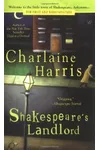
- Shakespeare’s Landlord (1996) – The series debut introduces Lily Bard as a solitary figure in Shakespeare, Arkansas. Her quiet life is shattered when she witnesses a body being dumped, forcing her to investigate the murder to protect her own secrets.
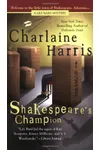
- Shakespeare’s Champion (1997) – Lily’s karate training and physical strength take center stage when a local bodybuilder is murdered at her gym, exposing simmering racial tensions and prejudices in the small town.
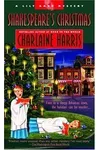
- Shakespeare’s Christmas (1998) – Lily travels back to her hometown of Bartley, Arkansas, for her sister's wedding. Instead of a peaceful holiday, she is pulled into a dark web of family secrets, a double homicide, and a long-unsolved kidnapping.
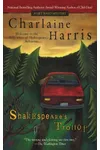
- Shakespeare’s Trollop (2000) – When a local woman with a controversial reputation is brutally murdered, Lily is determined to find the killer, forcing the town of Shakespeare to confront its own harsh judgments and hypocrisies.
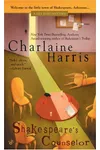
- Shakespeare’s Counselor (2001) – In the final novel, Lily begins attending therapy to confront her past trauma. When a fellow group member is murdered, she must use all her skills to solve the crime while finalising her path toward healing.
Short Stories and Expanded Universe Crossovers
Beyond the five core novels, Lily Bard's story extends into short fiction and Charlaine Harris’s other famous book universes. These extra pieces are not strictly necessary to enjoy the main series, but they offer excellent closure and fun connections for completionists.
The Epilogue: "Dead Giveaway" (2001)
Published in the December 2001 issue of Ellery Queen’s Mystery Magazine shortly after the release of the fifth novel, "Dead Giveaway" serves as the official final entry (often referred to as Book 5.5) in the Lily Bard saga. In this short story, Lily investigates a suspicious death that occurs right next door to a home she is cleaning. Harris has indicated that this story marks the end of Lily’s active story arc.
Sookie Stackhouse Crossovers
In a fascinating twist, Charlaine Harris established that Lily Bard shares a universe with her supernatural blockbusters, the Sookie Stackhouse (Southern Vampire Mysteries) series. While the Shakespeare mysteries contain no paranormal elements, Lily and her husband, Jack Leeds, make two notable cameo appearances in Sookie's world:
- Dead as a Doornail (Sookie Stackhouse Book 5, 2005) – The Pelt family hires Jack Leeds and Lily Bard as private investigators to track down the missing shapeshifter Debbie Pelt. They visit Sookie’s home and Merlotte's bar during their investigation.
- Dead Reckoning (Sookie Stackhouse Book 11, 2011) – Working on behalf of the lawyer Mr. Cataliades, Lily and Jack return to warn Sookie that Debbie's vengeful sister, Sandra Pelt, has been released from prison.
What to Know Before You Start
The Lily Bard series is often classified under the "cozy mystery" umbrella, but readers should be prepared for a significantly darker tone than typical cozies. The series deals directly with the aftermath of violent trauma. Lily is a survivor of a brutal assault, kidnapping, and rape that occurred prior to the start of the first book. Her physical training in karate, her hyper-vigilance, and her emotional walls are direct coping mechanisms resulting from this trauma.
Over the course of the five books, the overarching narrative is not just about solving small-town murders, but about Lily's gradual rehabilitation, her willingness to open her heart to Jack Leeds, and her struggle to reclaim her sense of safety. Because of this deep character work, reading the books chronologically is highly recommended.