
How to Read John A. Russo's Living Dead Series
For readers who want to experience the progression of John A. Russo's zombie outbreak, the recommended starting path is straightforward. Because the narrative is relatively compact compared to massive horror franchises, following the publication timeline gives you the clearest sense of how Russo built upon the legacy of the original 1968 film. Here is the recommended path:
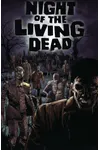
- Night of the Living Dead (1974): Start here. This is the official novelization based directly on the classic screenplay co-written by Russo and George A. Romero. It establishes the foundations of the zombie plague, the farmhouse siege, and the initial panic in Pennsylvania.
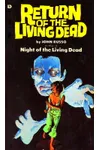
- Return of the Living Dead (1978/1979): Read this second. This novel acts as Russo's official prose sequel to the original story, taking place roughly a decade after the farmhouse incident. It follows the lingering trauma of the survivors and a small town experiencing a fresh zombie resurgence.
- Escape of the Living Dead (2005): Read this graphic novel series next. Based on an unproduced sequel screenplay written by Russo, it functions as a direct alternate sequel set in 1971 (three years after the initial outbreak) focusing on a military facility where undead test subjects escape.
- Epidemic of the Living Dead (2018): Conclude with this modern standalone entry. Set in Chapel Grove, Pennsylvania, it introduces a terrifying new vector for the zombie plague involving infected needles and newborns with abnormal appetites.
Publication Order of the Living Dead Books
If you wish to read the books in the exact order they were released to the public, the chronological publication timeline is as follows:
- Night of the Living Dead (1974) – The novelization of the original 1968 movie.
- Return of the Living Dead (1978) – First published by Dale Books, with UK editions appearing in 1979 under Hamlyn.
- Escape of the Living Dead (2005–2006) – The comic miniseries published by Avatar Press, subsequently compiled into the graphic novel Escape of the Living Dead: Resurrected.
- Undead (2010) – An omnibus collection combining Night of the Living Dead and Return of the Living Dead in one volume.
- Epidemic of the Living Dead (2018) – A modern horror novel continuing Russo's zombie mythos.
Chronological Order and Alternate Continuities
Understanding the timeline of the Living Dead universe requires recognizing that Russo's works branch into alternate timelines. The original 1968 outbreak in rural Pennsylvania is the common anchor point, but the sequels diverge:
The Core Prose Line: In this timeline, the events of Night of the Living Dead are followed ten years later by the events of the novel Return of the Living Dead. Society has managed to suppress the memory of the original outbreak, but a sudden accident triggers a new wave of attacks in a nearby town, exploring themes of localized containment failure and human panic.
The Comic Book Timeline: The comic book series Escape of the Living Dead is set in 1971, only three years after the original farmhouse siege. In this branch, the military has kept the existence of the undead hidden from the public while conducting bioweapon experiments. When a motorcycle gang inadvertently breaches security, the zombies break free, creating a claustrophobic, action-focused survival story that bypasses the events of the Return novel.
The Modern Outbreak: Epidemic of the Living Dead (2018) functions as a modern reimagining or extension of the zombie epidemic. It shifts focus to a medical conspiracy and the dark implications of children born to infected mothers, presenting a separate narrative that can be enjoyed independently of the 1970s books.
The Romero-Russo Split: Film vs. Fiction
To fully appreciate the Living Dead books, readers should understand the famous creative split between John A. Russo and George A. Romero. Following the release of the 1968 movie, the two co-creators parted ways due to differing ideas on where to take the franchise next. In their legal settlement, Russo retained the rights to the name "Living Dead," while Romero went on to direct his own series of films starting with Dawn of the Dead (1978).
Russo wrote his novel Return of the Living Dead as a serious horror sequel. However, when it came to adapting the book for the screen, director Dan O'Bannon shifted the concept into a horror-comedy film (released in 1985). As a result, the 1978 novel and the 1985 movie share a title but represent entirely different continuities and tones. Romero's film series and O'Bannon's comedy-horror film franchise are separate from the dark, tense prose universe Russo established in his novels.
Practical Reader Advice and Standalone Feasibility
For those starting their journey, Night of the Living Dead remains the essential foundation. It is highly recommended to read this book first, even if you are familiar with the 1968 film, as Russo's prose goes into greater detail regarding character motivations, internal conflicts, and the bleak atmosphere of the siege.
However, if you are looking for standalone stories, both Return of the Living Dead and Epidemic of the Living Dead can be read independently. Each book features a self-contained cast of characters and wraps up its primary conflict, meaning you do not need to worry about cliffhangers. The comic series Escape of the Living Dead is best read after the original novel to understand the starting stakes, but it also functions well as an isolated, fast-paced survival narrative.