
The Recommended Reading Path
If you want to experience the atmospheric, gritty world of Victorian London as author Ann Granger intended, the best way to read the Lizzie Martin series is in its original publication order. While the individual murder mysteries in each book are self-contained and resolved by the final page, the underlying personal journey of the main characters is highly serial. Reading the books chronologically as they were published allows you to watch the relationship between amateur sleuth Lizzie Martin and Scotland Yard Inspector Ben Ross grow from their very first meeting, through their courtship, and into their married life and professional partnership.
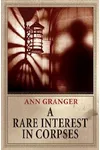
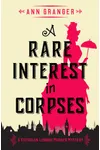
We recommend starting with the debut novel, A Rare Interest in Corpses (also published in some regions under the title The Companion). This book introduces Lizzie as she arrives in London to work as a companion to a wealthy widow, only to quickly cross paths with Inspector Ben Ross while investigating the suspicious disappearance of her predecessor. Starting here ensures you grasp the social divides, the character backgrounds, and the slow-burn romance that anchors the rest of the series.
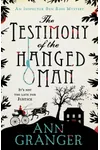
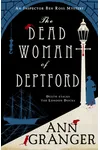
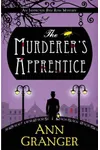
Lizzie Martin / Inspector Ben Ross Books in Publication Order
The series consists of nine unique novels published between 2006 and 2023. Although some retail and library databases list a tenth entry under the title A Rare Interest in Corpses in 2020, this is simply a reissue or reprint edition of the first book and not a new story. Below is the complete list of the novels in their correct order:
olChronological Reading Order and Timeline Caveats
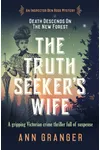
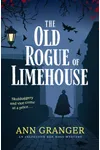
The chronological order of the story events aligns directly with the publication order of the books. The series begins in 1864 with A Rare Interest in Corpses and slowly advances through the late 1860s, reaching the spring and summer of 1871 in the eighth and ninth books, The Truth-Seeker's Wife and The Old Rogue of Limehouse.
Because the chronological timeline mirrors the publication order, readers do not need to worry about confusing prequels, flashbacks, or chronologically misplaced short stories. The only minor caveat to watch out for is the renaming of the first book: depending on your local bookstore or library, it may be listed as The Companion rather than A Rare Interest in Corpses. Additionally, US readers should note that American publishers frequently market the series under the name The Inspector Ben Ross Mysteries rather than the Lizzie Martin Series, but the text and reading order of the books remain identical.
What to Know Before You Start
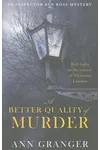
Before diving into the series, it is helpful to understand the unique dynamics that Ann Granger establishes. Lizzie Martin is a fiercely independent woman who struggles against the rigid gender constraints of the Victorian era. However, Granger does not rely on the trope of the entirely isolated female sleuth. By marrying Lizzie to Ben Ross early in the series (at the start of book three, A Better Quality of Murder), Granger strategically grants Lizzie a plausible, socially acceptable way to participate in police investigations. As the wife of a respected inspector, Lizzie is able to gain access to crime scenes, talk to witnesses, and offer perspectives that Ben, bound by official police procedures and Victorian propriety, cannot.
The tone of the series strike a perfect balance between a cozy historical mystery and a darker, atmospheric Victorian procedural. While it features the classic elements of the genre—such as pea-soup fogs, grand estates, and eccentric suspects—it does not shy away from exposing the moral rot of the Victorian elite and the harsh realities of the London slums. Fans of Anne Perry's Charlotte and Thomas Pitt mysteries or Agatha Christie's traditional detective structures will find themselves right at home.
Spin-Offs and Companion Works
Ann Granger is a prolific British crime writer who has written several other highly regarded series, including the contemporary Mitchell & Markby series, the Campbell & Carter books, and the Fran Varady mysteries. However, because the Lizzie Martin books are set in the 1860s and 1870s, there are no character crossovers or spin-offs connecting them to Granger's modern-day novels. The Lizzie Martin / Ben Ross books stand entirely on their own as a self-contained historical universe. If you finish this series and want more of Granger's writing style, her other series offer a similar blend of engaging character dynamics and clever plotting, albeit in modern settings.