







How to Read the Lone Ranger Books
Unlike modern fantasy or sci-fi sagas that feature complex, multi-layered chronological timelines, reading the Lone Ranger is a highly straightforward experience. The series consists of episodic Western adventures where the masked hero and his loyal friend Tonto clean up lawless frontier towns, foil greedy outlaws, and ride off into the sunset. Because the main narrative relies on standalone plots, you can read these books in almost any order without getting lost. However, to see the characters evolve and appreciate how the series grew in tandem with its legendary radio presence, we recommend reading the books in their original Publication Order.
The Best Starting Point: The Lone Ranger (1936)
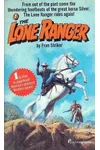
To truly understand the legend, you should start at the very beginning with The Lone Ranger (1936). Originally written by Gaylord Du Bois (though later published under the name of franchise head writer Fran Striker), this book establishes the essential origin story. It introduces a young Texas Ranger who survives a brutal Cavendish gang ambush, is nursed back to health by Tonto, and dons a black mask made from his fallen brother Dan's vest. Here, readers learn the meaning of the silver bullets, watch the taming of the wild stallion Silver, and witness the birth of a legend.
Publication Order of the Lone Ranger Books
While the primary novel series is traditionally counted as 18 core volumes published by Grosset & Dunlap, comprehensive collector bibliographies list up to 27 distinct book titles. This is because publishers released alternative formats, such as pocket-sized illustrated Whitman "Big Little Books" and simplified children's storybooks alongside the main novels. To help you sort through them, here is the complete 27-book publication order based on local database records, showing how each format fits into the timeline:
- The Lone Ranger (1936) – Core Novel / Origin Story
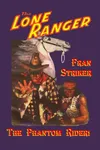
- The Phantom Rider! (1937) – Pulp Magazine Story (originally published in the premier issue of The Lone Ranger Magazine, later expanded into the second core novel)
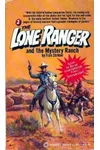
- The Lone Ranger and the Mystery Ranch (1938) – Core Novel
- The Lone Ranger and the Texas Renegades (1938) – Whitman Big Little Book
- The Lone Ranger and the Secret of Thunder Mountain (1938) – Whitman Big Little Book
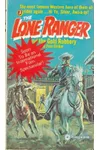
- The Lone Ranger & the Gold Robbery (1939) – Core Novel
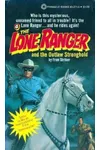
- The Lone Ranger and the Outlaw Stronghold (1939) – Core Novel
- The Lone Ranger and the Black Shirt Highwayman (1939) – Whitman Big Little Book
- The Lone Ranger and Tonto (1940) – Core Novel
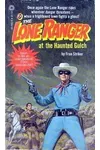
- The Lone Ranger at the Haunted Gulch (1941) – Core Novel
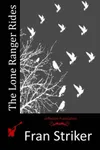
- The Lone Ranger Rides (1941) – Whitman Big Little Book
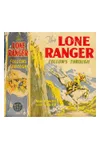
- The Lone Ranger Follows Through (1941) – Whitman Big Little Book
- The Lone Ranger Traps the Smugglers (1941) – Core Novel
- The Lone Ranger and the Great Western Span (1942) – Whitman Better Little Book
- The Lone Ranger Rides North (1943) – Core Novel
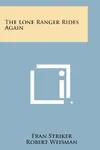
- The Lone Ranger Rides Again (1943) – Core Novel
- The Lone Ranger and the Silver Bullet (1948) – Core Novel
- The Lone Ranger on Powderhorn Trail (1949) – Core Novel
- The Lone Ranger in Wild Horse Canyon (1950) – Core Novel
- The Lone Ranger West of Maverick Pass (1951) – Core Novel
- The Lone Ranger and the War Horse (1951) – Whitman Cozy Corner Children's Book
- The Lone Ranger's New Deputy (1951) – Simon & Schuster Sandpiper Children's Book
- The Lone Ranger on Gunsight Mesa (1952) – Core Novel
- The Lone Ranger and the Bitter Spring Feud (1953) – Core Novel
- The Lone Ranger and the Code of the West (1954) – Core Novel
- The Lone Ranger Trouble on the Santa Fe (1955) – Core Novel
- The Lone Ranger On Red Butte Trail (1956) – Core Novel (final volume in the main G&D run)
Understanding the Formats
Navigating the list above is easier once you distinguish between the three primary types of books released during the golden age of the franchise:
1. The Core Grosset & Dunlap Novels (18 Volumes)
If you want the true literary experience of the Lone Ranger, you should focus on the 18 core novels. Written or heavily revised by Fran Striker and published by Grosset & Dunlap, these hardcovers contain full-length text stories with more robust plots, character interactions, and description. These novels run from the 1936 origin story down to The Lone Ranger on Red Butte Trail in 1956.
2. Whitman "Big Little Books" & "Better Little Books"
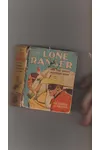
Whitman Publishing's pocket-sized books were aimed strictly at younger children. They featured simplified text on left-hand pages and full-page illustrations on right-hand pages. Titles like The Lone Ranger and the Texas Renegades (1938) or The Lone Ranger and the Great Western Span (1942) are wonderful collector's items today, but they are not full-length novels and do not add new layers of canon to the main series.
3. Mid-Century Children's Storybooks
Published in the early 1950s by companies like Simon & Schuster and Whitman, these short books (such as The Lone Ranger's New Deputy and The Lone Ranger and the War Horse) served as illustrated introductory books for elementary school readers. They are simple, self-contained, and completely separate from the core novel continuity.
What to Know Before You Start
To get the most out of your ride through the Old West, keep these historical details in mind:
- Radio Roots: The Lone Ranger debuted in 1933 as a radio drama on WXYZ in Detroit, created by station owner George W. Trendle and writer Fran Striker. The books were written to expand on the radio scripts. As a result, the prose is fast-paced, highly action-driven, and relies heavily on theatrical dialogue.
- Ghostwriting Reality: While Fran Striker's name is on the covers, the sheer volume of output required for the radio show, TV series, daily comic strips, and books meant that ghostwriters were often employed. Gaylord Du Bois drafted the first novel, while Striker acted as editor and primary supervisor to ensure the tone matched the radio series.
- Tonto and Representation: Written between 1936 and 1956, these stories reflect the cultural tropes of their era. Tonto is written as a heroic, brave, and deeply loyal companion, which was more respectful than many contemporary Western depictions. However, readers should be prepared for Tonto's dialogue, which is written in the heavily dated "broken English" stereotype typical of early 20th-century media.
- The Green Hornet Connection: In a fascinating piece of early shared-universe media, the creator team established a family connection between the Lone Ranger and the Green Hornet (Britt Reid). The Green Hornet is actually the grand-nephew of the Lone Ranger, inheriting the family's wealth (which originated from the Lone Ranger's silver mine) to fund his modern crime-fighting crusade.