
How to Read the Lonesome Dove Series
Larry McMurtry’s Pulitzer Prize-winning Lonesome Dove is widely considered one of the greatest American novels ever written. What started as a rejected screenplay eventually blossomed into a four-book epic tracking the lives of two legendary Texas Rangers, Augustus “Gus” McCrae and Woodrow F. Call. Together, the books paint a gritty, funny, and heartbreaking portrait of the fading American West.
Because McMurtry wrote prequels and sequels years after the original novel, readers are left with a classic dilemma: should you read the books in the order they were published, or follow the characters chronologically? Below, we break down both paths so you can choose the best way to hit the trail.
The Recommended Path: Publication Order
If you are reading the series for the first time, we highly recommend reading in publication order. Starting with the original 1985 masterpiece allows you to fall in love with Gus and Call at their peak. It establishes the emotional core of the series, making the later prequels feel like a rich, nostalgic look back at how these two men became legends.
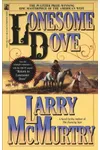
- Lonesome Dove (1985) – The core novel. Retired Rangers Gus and Call decide to launch one final, epic cattle drive from the dusty border town of Lonesome Dove, Texas, all the way to the untamed territory of Montana.
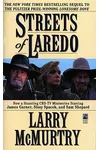
- Streets of Laredo (1993) – The official sequel. Set in the 1890s, an aging Woodrow Call works as a bounty hunter, tracking a ruthless young train robber across a changing West that no longer has room for old-school Rangers.
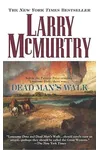
- Dead Man's Walk (1995) – The first prequel. Flashing back to the early 1840s, this book follows Gus and Call as young, green Texas Rangers embarking on their first dangerous expeditions.
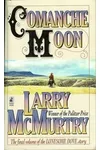
- Comanche Moon (1997) – The second prequel. Bridging the gap between the youth of Dead Man's Walk and the retirement of Lonesome Dove, this book shows Gus and Call in their prime during the peak of the Indian Wars.
Why this order works best: McMurtry wrote the prequels assuming you already knew where these characters end up. The dramatic irony, the origins of side characters like Blue Duck, and the development of Gus and Call's relationship are all much more satisfying when you have the context of the original book.
The Timeline Path: Chronological Order
If you prefer a straight historical timeline, you can read the books in chronological order. This path lets you watch Gus and Call grow from naive young men in the 1840s to weathered legends at the turn of the century.
- Dead Man's Walk (1840s)
- Comanche Moon (1850s–1860s)
- Lonesome Dove (1870s)
- Streets of Laredo (1890s)
The caveat: Starting with Dead Man's Walk can be jarring. It is a much darker, more episodic book than Lonesome Dove. Furthermore, seeing the ultimate fates of these characters in the later books loses some of its magic if you haven't spent your first hours with them during their defining journey to Montana.
A Closer Look at the Books
Lonesome Dove (1985)
Winner of the 1986 Pulitzer Prize for Fiction, this is the book that started it all. Gus McCrae and Woodrow Call are retired Texas Rangers running the Hat Creek Cattle Company in a sleepy Rio Grande border town. When their old friend Jake Spoon returns with tales of lush, unoccupied country in Montana, Call is seized by the desire to make one last great cattle drive. What follows is a sweeping, 800+ page adventure filled with outlaw encounters, deadly weather, and deep reflections on friendship and regret. It is the gold standard of Western literature.
Streets of Laredo (1993)
Set roughly twenty years after the events of the first book, this sequel finds an aging Woodrow Call operating as a bounty hunter in the late 1890s. Hired by a railroad president to track down Joey Garza, a young and deadly Mexican train robber, Call must navigate a rapidly modernizing frontier. Without the comforting presence of Gus, Call is a lonely figure confronting the physical toll of his violent life. Returning characters like Pea Eye Parker and Lorena Wood add emotional continuity to this bittersweet conclusion.
Dead Man's Walk (1995)
Going back to the beginning, this prequel introduces Gus and Call as young men in their late teens who have just joined the Texas Rangers. They embark on the ill-fated Santa Fe Expedition, marching through desert wastes where they are hunted by Comanche war chief Buffalo Hump and Apache leader Gomez. It is a brutal survival story that explains how the duo forged their unbreakable bond amid starvation, torture, and the unforgiving Texan elements.
Comanche Moon (1997)
This final novel bridges the gap, taking place during the mid-19th century. Gus and Call are now experienced Ranger Captains struggling to protect the Texas frontier from Comanche raids. As they chase the elusive Buffalo Hump and deal with the eccentricities of their commander, Captain Inish Scull, the book also explores their complicated personal lives—specifically Call's relationship with Maggie (the mother of his unacknowledged son, Newt) and Gus's enduring love for Clara Allen.
What to Know Before You Start
Before you saddle up, keep these details in mind to get the most out of your reading experience:
- Demythologizing the West: McMurtry did not set out to write a romanticized, Hollywood-style Western. He wanted to show the real, often unglamorous grit, boredom, violence, and tragedy of the frontier. Be prepared for dark themes alongside the dry humor.
- Standalone Appeal: While the books form a rich timeline, each stands perfectly well on its own. If you only ever read the original Lonesome Dove, you will still get a complete, satisfying story.
- The Prequel Tone: The prequels were written a decade after the original and have a slightly different feel. They focus heavily on historical detail and are somewhat more episodic.
The Screen Adaptations: Canon vs. Non-Canon
The success of the novels spawned several TV adaptations, which have their own watching order. However, there is a major catch that book readers should watch out for:
In 1989, the Lonesome Dove miniseries starring Robert Duvall as Gus and Tommy Lee Jones as Call became a massive cultural phenomenon. Because of its success, television producers rushed to create a sequel. In 1993, they released Return to Lonesome Dove. However, this miniseries was not written by Larry McMurtry, and he had no involvement in its story. McMurtry later wrote his own official book sequel, Streets of Laredo, which completely ignores the events of that television sequel. For the true story, stick to the books or the official adaptations of McMurtry's novels (Streets of Laredo, Dead Man's Walk, and Comanche Moon).