
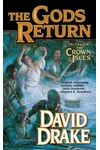
The Recommended Reading Order
When diving into David Drake’s rich, maritime fantasy world, there is one clear and undisputed path to take. You should read the Lord of the Isles series in its original publication order. Because the narrative follows a tight chronological progression and tracks the steady growth of its core protagonists, reading the books out of order will spoil major plot points and disrupt the overarching story arc.
The saga is split into two distinct phases: the original six-book main sequence and the concluding Crown of the Isles trilogy. Together, they form a single, continuous nine-book epic. Here is the recommended reading path:
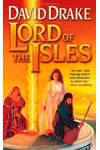
- Lord of the Isles (1997)
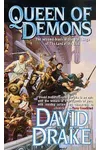
- Queen of Demons (1998)
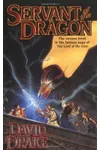
- Servant of the Dragon (1999)
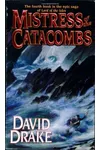
- Mistress of the Catacombs (2001)
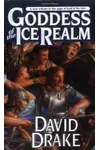
- Goddess of the Ice Realm (2003)
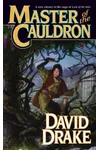
- Master of the Cauldron (2004)
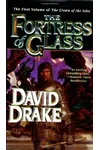
- The Fortress of Glass (2006)
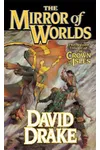
- The Mirror of Worlds (2007)
- The Gods Return (2008)
Publication Order: The Standard Route
David Drake published these nine books over the course of eleven years. The publication order perfectly mirrors the internal chronological timeline of the universe, meaning there are no prequels or timeline jumps that require you to shuffle the books around. Starting with the self-titled debut in 1997 and concluding with the final battle in 2008, the publication order provides the most natural character progression and building of stakes.
For completionists, there is also a lone short story set in this universe titled "The Elf House," which was published in the 2004 anthology Masters of Fantasy. However, this story is a minor addition and is not required to understand or enjoy the main saga.
Understanding the Subseries: Main Saga and Crown of the Isles
The series is divided into two clear segments that serve different roles in the overall story of the archipelago:
The Original Sequence (Books 1–6)
The first six novels establish the world, introduce our four main young heroes, and follow their initial journeys across the fractured islands. While these books contribute to a grander narrative, Drake deliberately designed each of the first six novels to be self-standing, self-contained adventures. Each book features its own central conflict, climax, and resolution, preventing readers from being left on frustrating cliffhangers.
The Crown of the Isles Trilogy (Books 7–9)
Beginning with The Fortress of Glass in 2006, the series shifts into a tightly bound trilogy. Unlike the episodic nature of the earlier books, this trilogy functions as one continuous story split across three volumes. It brings the political conflicts, character relationships, and cosmic magical threats to a definitive, epic conclusion in The Gods Return.
Chronological Continuity and Caveats
Because the chronological order matches the publication order exactly, you do not have to worry about complicated timelines. However, readers should be aware of how time moves within the books. The narrative begins at a pivotal historical moment where a thousand-year cycle of magic is peaking, causing ancient forces, long-dead spirits, and lost lands to resurface. The progression from book to book follows the immediate fallout of this magical resurgence.
A minor caveat is that the characters are frequently separated, embarking on parallel journeys across different parts of the archipelago. Drake's unique narrative structure means that within a single book, you will follow concurrent timelines that eventually converge at the climax. Keeping track of who is where during these simultaneous journeys is key to following the chronological flow.
The Writing Style and Sumerian Influence
What sets the Lord of the Isles apart from other classic 90s epic fantasy series is its unique blend of historical and mythological influences. David Drake, classically trained in Latin and history, chose to build the religious and magical system of the Isles around ancient Sumerian mythology. The pantheon and rituals of the world heavily feature the Sumerian triad of Inanna (the Lady), Dumuzi (the Shepherd), and Ereshkigal (the Queen of the Underworld).
Drake also utilized a highly structured writing technique for this series. He described his method as writing four shorter, tightly interwoven novellas from the perspectives of his four main characters, which he then combined and converged into a single unified climax. This structure gives the books a fast-paced, multi-perspective feel that keeps the action moving across different environments, from dark catacombs to icy northern wastes.
Where to Start and Practical Advice
The absolute best starting point is the first novel, Lord of the Isles. Do not attempt to skip ahead to the Crown of the Isles trilogy or start with later books like Mistress of the Catacombs, as you will miss the vital setup of the characters' origins, the magic system, and the political state of the world.
While the first six books are self-contained enough that you can take breaks between them, the final trilogy should ideally be read back-to-back. If you enjoy classic, slower-paced 90s world-building, detailed military tactics (drawing from Drake’s own military background), and a focus on companion-driven journeys, this series will resonate strongly with you.
What to Know Before You Start
Before sailing into the Isles, here are a few quick tips to set your expectations:
- Episodic but Connected: Expect the first six books to feel like distinct quests. The main characters often start in one place, face a specific localized threat, and resolve it by the end of the book, while the larger plot of uniting the kingdom moves forward in the background.
- Classical and Historical Tone: While the setting is fantasy, the technology, ships, and cultural norms are heavily inspired by medieval England and the classical Mediterranean. It feels gritty and grounded rather than high-magic and whimsical.
- The Main Cast: The story centers on Garric (a simple youth who discovers he is the heir to the throne), his sister Sharina, the gentle shepherd Cashel, and the weaver Ilna. They are supported by Tenoctris, an ancient wizardess who survived the cataclysm a thousand years prior.