
Where to Start Your Journey in Middle-earth
For most readers, the journey into J.R.R. Tolkien’s legendary world begins in one of two places: the cozy, quiet home of Bilbo Baggins in the Shire, or the high-stakes, epic struggle for the fate of Middle-earth. While both gateways are valid, your choice will determine how you experience the scaling tone, depth, and scale of the universe.
The official recommendation from the J.R.R. Tolkien Estate suggests a flexible approach depending on your age and reading preference. If you prefer a lighter, character-driven adventure that eases you into the folklore and geography of Middle-earth, starting with The Hobbit is the gold standard. However, if you are looking for an immediate dive into epic high fantasy, starting directly with The Fellowship of the Ring is also perfectly acceptable, provided you read the opening prologue to catch up on the history of Hobbits and the One Ring.
The Recommended Reading Order (Publication Order)
For a first-time reader, following the order in which the core narratives were published is highly recommended. This path allows you to experience the world exactly as Tolkien’s original audience did, with the tone naturally maturing from a whimsical children’s story into an intricate, sweeping saga, followed by the deep, mythological lore of the world's creation.
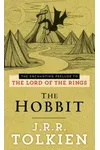
- The Hobbit (1937): A standalone children's adventure that introduces Bilbo Baggins, the wizard Gandalf, Gollum, and the discovery of the One Ring. It is lighter in tone but serves as the essential prologue to everything that follows.
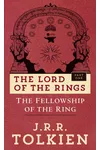
- The Fellowship of the Ring (1954): Book one of The Lord of the Rings. The story shifts focus to Bilbo's heir, Frodo Baggins, who must leave the Shire to keep the Ring out of the hands of the Dark Lord Sauron.
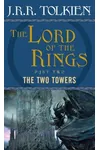
- The Two Towers (1954): Book two of the trilogy. The Fellowship is broken, and the narrative splits into multiple parallel paths detailing the rising wars of Middle-earth and Frodo's perilous journey toward Mordor.
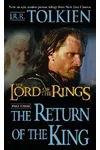
- The Return of the King (1955): The epic conclusion to the main quest. It features massive battles, the final struggle to destroy the Ring, and extensive appendices that contain thousands of years of Middle-earth history.
- The Silmarillion (1977): Published posthumously by Christopher Tolkien, this is the Bible of Middle-earth. It spans the creation of the universe, the First Age, and the ancient history of Elves, Dwarves, and Men.
Chronological Order vs. Publication Order
To the uninitiated, reading the books in the internal chronological order of Middle-earth's timeline might seem logical. Under this layout, you would start with The Silmarillion (which covers the creation of the world and the First and Second Ages), move on to Unfinished Tales and The Fall of Númenor (the Second Age), and only read The Hobbit and The Lord of the Rings (the Third Age) at the very end.
However, scholars and fan communities almost universally agree that this chronological path is a trap for beginners. The Silmarillion is not a standard novel; it is written as a dense, academic, and biblical chronicle of myths. Starting with it can easily overwhelm new readers with hundreds of names, places, and genealogy trees. By starting with The Hobbit or The Lord of the Rings, you build an emotional connection to the characters and the world, which makes reading the ancient history in The Silmarillion far more rewarding later on.
Beyond the Core: Navigating Tolkien's Posthumous Works
Once you have finished the main volumes and The Silmarillion, you can begin exploring the wealth of drafts, stories, and background lore compiled and edited by Christopher Tolkien. Here is how to navigate these expanded works:
The Great Tales of the First Age
If you fell in love with specific legends mentioned in The Silmarillion, you can read their fully expanded, standalone book editions. These are best read after completing the main trilogy:
- The Children of Húrin (2007): The most complete and narrative-driven of the standalone tales. It is a dark, tragic story of a hero cursed by the Dark Lord Morgoth.
- Beren and Lúthien (2017): The legendary love story between a mortal man and an immortal elf, which mirrors Tolkien's own relationship with his wife. It is presented as a compilation of different versions of the tale.
- The Fall of Gondolin (2018): A chronicle of the siege and destruction of the last great Elvish stronghold in the First Age, showcasing the evolution of Tolkien's writing over several decades.
Expanded Lore and Historical Collections
- Unfinished Tales of Númenor and Middle-earth (1980): A collection of narrative fragments, essays, and lore details that expand on gaps in the main trilogy, such as the history of the Wizards (Istari) and the Palantíri.
- The Fall of Númenor (2022): Edited by Brian Sibley, this volume collects Tolkien's various writings concerning the Second Age into a single, cohesive chronicle, making it a great companion for fans of adaptation lore.
- The Nature of Middle-earth (2021): A collection of late-stage essays detailing the exact mechanics of the world, from Elvish reincarnation and aging to the geography and biology of Middle-earth.
For the Ultimate Scholar: Advanced Middle-earth Lore
For the most dedicated fans who want to study Tolkien's creative process, the 12-volume History of Middle-earth series tracks the development of the legendarium from its earliest drafts in the 1910s to his final writings. This series is academic and analytical, containing commentary from Christopher Tolkien on draft revisions, early character concepts, and alternative storylines. In addition, The Letters of J.R.R. Tolkien offers invaluable primary sources, showing how the author himself answered readers' questions about theology, language, and lore.
Practical Tips for Your Journey
Before you crack open your first book, keep these practical tips in mind:
- Don't skip the Appendices: The end of The Return of the King contains crucial details about Aragorn and Arwen’s backstories, the timeline of the Second and Third Ages, and the languages of Middle-earth. They serve as a perfect bridge between the main novels and The Silmarillion.
- Expect a shift in tone: The Hobbit was written for children, meaning its narrator is whimsical and lighthearted. The Lord of the Rings is much more mature, poetic, and dark. The Silmarillion is epic and mythic, read more like historical scripture than a novel. Adapt your expectations to each style.
- Read at your own pace: Tolkien's prose is famously descriptive and leisurely. Enjoy the atmosphere, the poetry, and the songs, rather than rushing to find out what happens next.