
How to Read the Lost Fleet Universe
Written by John G. Hemry under the pen name Jack Campbell, The Lost Fleet is a hallmark of modern military science fiction. Known for its realistic approach to space combat—factoring in light-speed communication delays and relativistic physics—the series follows Captain John "Black Jack" Geary as he is awakened from a century of stasis to guide a battered Alliance fleet out of enemy territory. To fully appreciate the tactical depth and evolving political landscape, you should read the main series and its sequel series in a specific order.
The Recommended Reading Path
For the best reading experience, it is highly recommended to follow the release timeline. The main narrative flow follows the character growth of John Geary, the shifting galactic alliance, and the collapse of the Syndicate Worlds. Jumping ahead or reading the prequels first will spoil major plot points and tactical developments. Here is the recommended path:
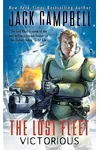
- The Original Series (The Lost Fleet): Start with Dauntless (2006) and read through Victorious (2010). This six-book arc introduces the universe, the mechanics of space battles, and Captain Geary's return.
- The Concurrent Spin-Offs (Beyond the Frontier & The Lost Stars): Read these two series together. Beyond the Frontier directly continues Geary's story, while The Lost Stars focuses on the rebel Syndicate leaders. They take place at the same time and frequently cross over or reference each other. You can interleave them or read all of one and then the other.
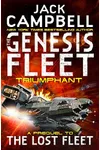
- The Genesis Fleet: This prequel trilogy, beginning with Vanguard (2017), takes readers back to the founding of the Alliance. It is best read after completing the original series so you already understand the lore and future conflicts.
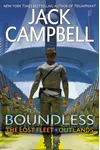
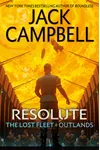
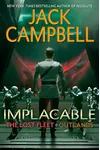
- The Outlands Trilogy: This sequel series (2021–2023) picks up directly after the events of Leviathan and Shattered Spear. Do not start this until you have finished both Beyond the Frontier and The Lost Stars.
Publication Order vs. Chronological Order
While the prequel trilogy The Genesis Fleet takes place centuries before Dauntless, starting there is not recommended for newcomers. The prequels assume a familiarity with the universe's technology, political structures, and the legendary status of the characters. Reading in publication order ensures that the mystery of the universe unfolds naturally. The publication order for the entire franchise is as follows:
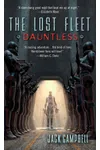
- The Lost Fleet: Dauntless (2006)
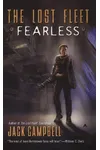
- The Lost Fleet: Fearless (2007)
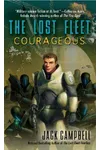
- The Lost Fleet: Courageous (2007)
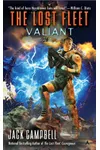
- The Lost Fleet: Valiant (2008)
- The Lost Fleet: Relentless (2009)
- The Lost Fleet: Victorious (2010)
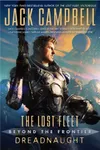
- Beyond the Frontier: Dreadnaught (2011)
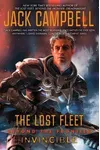
- Beyond the Frontier: Invincible (2012)
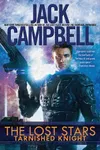
- The Lost Stars: Tarnished Knight (2012)
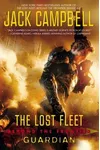
- Beyond the Frontier: Guardian (2013)
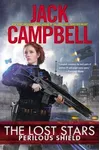
- The Lost Stars: Perilous Shield (2013)
- Beyond the Frontier: Steadfast (2014)
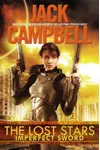
- The Lost Stars: Imperfect Sword (2014)
- Beyond the Frontier: Leviathan (2015)
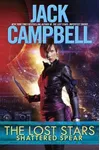
- The Lost Stars: Shattered Spear (2016)
- The Genesis Fleet: Vanguard (2017)
- The Genesis Fleet: Ascendant (2018)
- The Genesis Fleet: Triumphant (2019)
- Outlands: Boundless (2021)
- Outlands: Resolute (2022)
- Outlands: Implacable (2023)
Chronological Caveats: Interleaving the Spin-Offs
If you want a highly immersive chronological experience during the middle phase of the universe, you can interleave Beyond the Frontier and The Lost Stars. Because the events in these two series overlap directly, reading them in parallel reveals how actions on one side of the galaxy impact the other. Fans recommend this specific order:
- Beyond the Frontier: Dreadnaught
- Beyond the Frontier: Invincible
- The Lost Stars: Tarnished Knight
- The Lost Stars: Perilous Shield
- Beyond the Frontier: Guardian
- Beyond the Frontier: Steadfast
- The Lost Stars: Imperfect Sword
- Beyond the Frontier: Leviathan
- The Lost Stars: Shattered Spear
However, if you find switching between series distracting, you can read the entirety of Beyond the Frontier first, followed by The Lost Stars. Both approaches are fully viable and won't ruin the experience.
What to Know Before You Start
Jack Campbell is the pseudonym of John G. Hemry, a retired U.S. Navy officer. His real-world naval experience heavily influences the series. Unlike many space operas where space battles happen instantaneously, Campbell's battles are fought at relativistic speeds where light-time delay dictates strategy. If a ship is light-minutes away, you are seeing where it was, not where it is now. This attention to hard-science details makes the tactical engagements read like chess matches. Additionally, the series deals heavily with themes of military honor, the necessity of civilian oversight of the military, and the psychological impact of a century-long total war.
Tie-ins and Short Stories
For completionists, there are additional short stories and graphic novels. The comic series The Lost Fleet: Corsair (2017) follows Captain Michael Geary. Its storyline was expanded into a novella and collected in the 2024 compilation Rendezvous with Corsair: A Lost Fleet Collection, which also includes four other universe short stories: Shore Patrol, Grendel, Ishigaki, and Fleche. Reading this collection is best done after finishing Shattered Spear but before starting the Outlands trilogy.