











How to Read the Lovejoy Series: The Recommended Path
For readers diving into the murky waters of East Anglia's antiques trade, the path is exceptionally straightforward. The recommended reading order is the original publication order. Because the character's life, relationships, and financial fortunes (or lack thereof) evolve gradually over time, following the series chronologically from Lovejoy's debut to his final adventure offers the most satisfying experience.
However, because the books are written in a picaresque, highly episodic style, you do not need to worry about being hopelessly lost if you read them out of order. Each novel features a self-contained antiques-related mystery or scam that is resolved by the end of the book. If you happen to pick up a volume from the middle of the series at a used bookstore, you can jump right in and enjoy the ride.
The Complete Lovejoy Publication Order
Written by John Grant under the pen name Jonathan Gash, the Lovejoy series spans 24 novels published over three decades. Some books were released under different titles in the US and the UK. Below is the complete order of the books:
- The Judas Pair (1977) – The award-winning debut that introduces Lovejoy as he hunts for a legendary, deadly pair of dueling pistols.
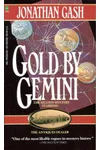
- Gold by Gemini (1978) – Also published under the title Gold from Gemini. Lovejoy chases Roman coins across the Isle of Man.
- The Grail Tree (1979) – Lovejoy is hired to evaluate a collection of chalices, leading to murder and a search for the Holy Grail.
- Spend Game (1980) – The death of a fellow dealer sends Lovejoy on a hunt involving vintage steam engines.
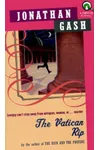
- The Vatican Rip (1981) – Lovejoy is blackmailed into traveling to Italy to orchestrate the heist of a valuable antique table.
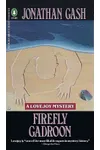
- Firefly Gadroon (1982) – Lovejoy takes on a ring of antiques thieves in a plot involving an intricate piece of silverware.
- The Sleepers of Erin (1983) – A search for ancient gold in Ireland turns highly dangerous for our roguish hero.
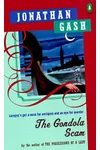
- The Gondola Scam (1984) – Venice provides a beautiful, waterlogged backdrop for an art forgery heist.
- Pearlhanger (1985) – Lovejoy goes tracking a missing antiques dealer in the cold, wet north of England.
- The Tartan Ringers (1986) – Released in the United States as The Tartan Sell, this book sees Lovejoy investigating a fake antique desk.
- Moonspender (1987) – Lovejoy gets caught up in the competitive and sometimes illegal world of metal detecting.
- Jade Woman (1989) – On the run from debts, Lovejoy finds himself stranded in Hong Kong, navigating the dangerous local underworld.
- The Very Last Gambado (1990) – Lovejoy is recruited to advise a film crew on antiques, which leads to a massive bank heist.
- The Great California Game (1991) – Lovejoy flees to the United States and ends up running high-stakes antiques scams in California.
- The Lies of Fair Ladies (1992) – Back in England, Lovejoy investigates the secrets of women who have crossed his path.
- Paid and Loving Eyes (1993) – A scam involving a antique coach leads Lovejoy into a dangerous European smuggling ring.
- The Sin Within Her Smile (1993) – Lovejoy finds himself targeted by a mysterious and wealthy circle of collectors.
- The Grace in Older Women (1995) – Lovejoy attempts to honor a deceased friend's final wishes while dodging local criminals.
- The Possessions of a Lady (1996) – A high-profile estate sale becomes a battleground of deception and greed.
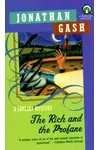
- The Rich and the Profane (1998) – Lovejoy gets involved in a complex auction fraud scheme that threatens to ruin him.
- A Rag, a Bone and a Hank of Hair (2000) – A mystery surrounding vintage textiles pulls Lovejoy into another web of crime.
- Every Last Cent (2001) – Lovejoy embarks on an expedition to find historical artifacts, with his usual chaotic results.
- The Ten Word Game (2003) – Lovejoy takes a job on a luxury cruise ship, only for the voyage to turn into a floating heist.
- Faces in the Pool (2008) – The final novel in the series, tying up Lovejoy's long career of scams, narrow escapes, and antiques obsession.
What to Know Before You Start: The Charm and Tone of the Books
If your primary introduction to Lovejoy is the classic BBC television adaptation starring Ian McShane, you should prepare yourself for a few key differences before opening the books. The TV series transformed Lovejoy into a lovable, relatively harmless rogue. In contrast, the books present a character who is significantly darker, more cynical, and morally ambiguous.
In the novels, Lovejoy has a genuine, almost supernatural talent for antiques: he is a 'divvie,' someone who physically reacts (feeling a bell-like ringing or intense heat in his chest) in the presence of an authentic antique. Antiques are his true love; human beings, especially those in the trade, are usually obstacles or targets. He is a self-confessed coward, frequently broke, lives in squalor, and regularly manipulates the people around him. Yet, his voice is incredibly engaging. Written in the first person, Lovejoy speaks directly to the reader, constantly explaining the tricks of the trade, how to spot fakes, and how auction houses rig sales. This conversational style makes the books feel like a series of anecdotes shared over a pint in a quiet country pub.
Spin-offs, Crossovers, and Author Context
Jonathan Gash was the pen name of Dr. John Grant, a general practitioner and former British Army medical officer who lived in Essex. His firsthand knowledge of rural East Anglia and his personal passion for collecting antiques heavily informed the backdrop of the novels.
While Gash wrote other books, there are no direct spin-offs or crossovers in the Lovejoy universe. His second most famous series features Dr. Clare Burtonall, a medical practitioner turned amateur sleuth, beginning with the novel Different Women Dancing (1997). Though both series share a dark undercurrent and are set in England, they are completely separate. No Lovejoy characters appear in the Clare Burtonall novels, and the two series remain distinct narrative worlds.