

How to Read Lucky Luke: The Best Starting Points
For over seven decades, Lucky Luke has been a cornerstone of Franco-Belgian comic history. Created by Belgian cartoonist Maurice De Bevere (better known by his pen name, Morris) in 1946, the series offers a satirical, lighthearted, and action-packed look at the American Old West. Because the albums are highly episodic, there is no single overarching narrative arc that requires you to read the books in order from first to last. You can pick up almost any book and enjoy it on its own.
However, if you want the absolute best reading experience, most fans suggest starting with the legendary Goscinny Era (1955–1977). When French writer René Goscinny (the co-creator of Asterix) joined Morris, he elevated the series with sharp wit, historical parodies, and iconic supporting characters. Here are the best places to begin your trail:
- Daisy Town: Often considered the single best comedy and entry point for newcomers. It captures the essence of the series' parodic tone, showing how a chaotic frontier town is brought to order by Luke's quick wits and quick draw.
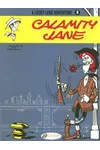
- Calamity Jane (1966): A fan-favorite album that highlights Luke's dynamic partnership with a highly fictionalized, tough-as-nails version of the historical frontierswoman.
- The Oklahoma Land Rush (1960 / Cinebook #21): An excellent historical parody depicting the chaotic race for land, showing Goscinny's talent for blending real history with slapstick humor.
- The Dalton Cousins (1958 / Cinebook #29): The perfect introduction to the modern Dalton Brothers (Joe, Jack, William, and Averell), who serve as Luke's bumbling, recurring arch-nemeses throughout the series.
Original Chronology vs. English Cinebook Releases
If you want to read the entire series, you will run into a major numbering hurdle. The original French albums were published chronologically, starting with Arizona 1880. However, when the British publisher Cinebook began translating and publishing the series in English in 2006, they released the albums out of sequence. They prioritized the most popular, commercially viable stories first, resulting in a release numbering system that does not match the original chronological order.
To solve this, readers have two options:
1. The Cinebook Softcover Order
If you are buying the individual softcover albums published by Cinebook, you will be reading them in the order Cinebook translated them. Below is the sequence of the first 31 translated books based on their English publication order:
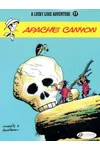
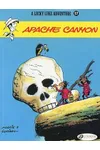
- Apache Canyon (Originally published in French in 1970; Cinebook edition 2006)
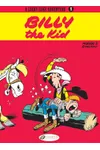
- Billy the Kid (Cinebook edition 2006)
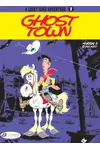
- Ghost Town (Cinebook edition 2006)
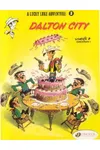
- Dalton City (Cinebook edition 2006)
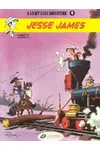
- Jesse James (Cinebook edition 2006)
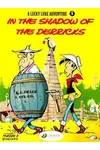
- In the Shadow of the Derricks (Cinebook edition 2007)
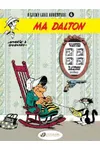
- Ma Dalton (Cinebook edition 2007)
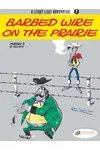
- Barbed Wire on the Prairie (Cinebook edition 2007)
- Calamity Jane (Cinebook edition 2007)
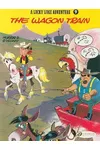
- The Wagon Train (Cinebook edition 2008)
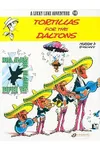
- Tortillas for the Daltons (Cinebook edition 2008)
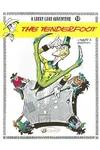
- The Tenderfoot (Cinebook edition 2008)
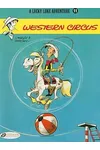
- Western Circus (Cinebook edition 2008)
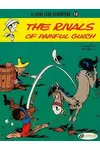
- The Rivals of Painful Gulch (Cinebook edition 2008)
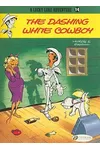
- The Dashing White Cowboy (Cinebook edition 2008)
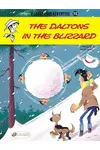
- The Daltons in the Blizzard (Cinebook edition 2009)
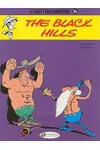
- The Black Hills (Cinebook edition 2009)
- Apache Canyon (Cinebook re-release edition 2009)
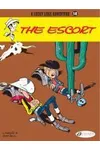
- The Escort (Cinebook edition 2009)
- On The Daltons' Trail (Cinebook edition 2009)
- The Oklahoma Land Rush (Cinebook edition 2009)
- The 20th Cavalry (Cinebook edition 2010)
- Emperor Smith (Cinebook edition 2010)
- A Cure for the Daltons (Cinebook edition 2010)
- The Judge (Cinebook edition 2010)
- The Stagecoach (Cinebook edition 2010)
- The Bounty Hunter (Cinebook edition 2010)
- Lucky Luke Versus Joss Jamon (Cinebook edition 2011)
- The Dalton Cousins (Cinebook edition 2011)
- The Grand Duke (Cinebook edition 2011)
- The Singing Wire (Cinebook edition 2011)
2. The Chronological Hardcover Collection
If you prefer a historically accurate, chronological read, Cinebook also publishes Lucky Luke: The Complete Collection. These premium hardcovers gather the stories in their original order of creation, matching the French L'Intégrale series. Each volume collects three to four classic albums alongside historical context, rare illustrations, and behind-the-scenes biographies of Morris and Goscinny. If you want to watch the art style and character designs evolve naturally over the decades, this is the recommended path.
Spin-offs and Subseries to Know
As the Lucky Luke universe grew, it spawned two notable spin-offs that readers can enjoy alongside the main series:
Kid Lucky
This spin-off series, created by Morris and later revitalized by Achdé, focuses on the childhood adventures of Lucky Luke. Set in the same Old West universe, it targets a slightly younger audience and explores how young Luke acquired his trademark cowboy skills, his love for sarsaparilla, and his bond with Jolly Jumper. These books are standalone comedies and do not affect the main series' continuity.
Rantanplan
Rantanplan (sometimes translated as Rin-Tin-Can or Rintindumb) is the famously dim-witted prison guard dog introduced in the main series. Known as "the dumbest dog in the West," he became so popular that he received his own spin-off series starting in 1987. Written and drawn by various artists under Morris's supervision, the Rantanplan albums focus on the goofy hound's misadventures and can be read completely independently of the main cowboy books.
What to Know Before You Start: Creators, History, and Tone
Lucky Luke is a comic with a fascinating history. When Maurice De Bevere first created the character, he wrote and drew the stories alone. The early stories feature a rounder, more Disney-esque art style, and Luke was a slightly tougher, more traditional hero who occasionally shot his opponents. Once René Goscinny took over writing duties in 1955, the series shifted to a gentler, more parodic tone where Luke rarely kills, instead outsmarting his enemies or using non-lethal trick shots.
After Goscinny's passing in 1977, Morris continued the series with a rotating cast of writers. When Morris died in 2001, the series did not end; artist Achdé took over drawing duties, keeping the character's legacy alive with new writers like Jul. Despite changes in the creative team, the series has maintained its signature humor, historic cameos, and lighthearted satire of Western tropes, making it a timeless read for comic lovers of all ages.