
The Recommended Reading Path
For the best reading experience, Naomi Hirahara's Mas Arai series should be read in publication order. The series spans seven novels that trace not only standalone criminal investigations but also the chronological aging, changing family dynamics, and gradual emotional opening of its protagonist. While each mystery functions well on its own, Mas's relationships with his estranged daughter, his best friend Haruo, and his painful memories of surviving the atomic bomb in Hiroshima develop linearly from the first page of the debut novel to the final pages of the series conclusion.
Mas Arai Books in Publication Order
Here is the complete list of Mas Arai novels in their recommended reading order:
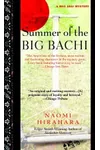
- Summer of the Big Bachi (2004): In the series opener, we are introduced to Mas Arai, a curmudgeonly Los Angeles gardener. When a figure from his past arrives in L.A., Mas is forced to confront the secrets he left behind in Hiroshima after the atomic bombing. The term "bachi" refers to divine retribution, a theme that hangs heavily over the narrative.
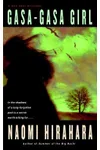
- Gasa-Gasa Girl (2005): Mas travels from Southern California to Brooklyn, New York, to repair his relationship with his estranged daughter, Mari. While there, he becomes entangled in a murder case involving a wealthy landscape designer and a Japanese garden. The title "gasa-gasa" refers to a restless, hyperactive personality.
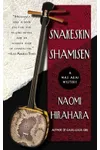
- Snakeskin Shamisen (2006): This Edgar Award-winning installment dives deep into Okinawan culture in Los Angeles. When a friend who plays the traditional snakeskin shamisen is murdered after winning a lottery, Mas must navigate gambling debts and historical tensions within the Japanese-American community to find the killer.
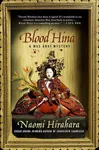
- Blood Hina (2010): The mystery centers on the theft of a valuable set of traditional Japanese Hinamatsuri (Girls' Day) dolls. The case hits close to home when the theft occurs during a wedding engagement party, leading Mas into a web of cultural heirlooms and long-held family grudges.
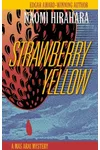
- Strawberry Yellow (2013): Mas leaves Los Angeles for the strawberry fields of Watsonville, California, to visit a cousin. When his cousin dies suddenly, Mas finds himself looking after a unique strain of yellow strawberries while unraveling a complex web of agricultural theft and murder.
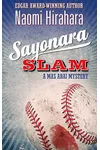
- Sayonara Slam (2016): Set against the backdrop of the World Baseball Classic at Dodger Stadium, this novel puts Mas in the middle of a high-profile murder when a Japanese sports journalist is found dead. Mas must navigate tensions between Japanese national players and Japanese-American fans.
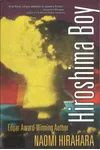
- Hiroshima Boy (2018): In the final novel of the series, Mas returns to Japan to deliver the ashes of a close friend to his ancestral home. When a teenager is found dead on the island where Mas spent his youth, he is pulled into one last personal and historical mystery, bringing his life's journey full circle.
Chronological Flow and Order Caveats
Unlike some mystery series where books can be read in any order without consequence, the Mas Arai books follow a strict chronological timeline. Mas ages from his early 70s to his late 80s over the course of the seven novels. The passage of time is felt in his physical stamina, his changing relationship with his daughter and grandchildren, and the passing of old friends. Reading the books out of order will spoil major developments in Mas's personal life, particularly regarding his reconciliation with his daughter and his coming to terms with the trauma of surviving Hiroshima.
The Shared Universe: Crossovers and Connections
Naomi Hirahara has created a rich, interconnected fictional universe across her different mystery series. While Mas Arai's story is fully contained within his seven novels, readers can find cross-series connections in Hirahara's other works:
- The Officer Ellie Rush Series: This series, featuring a young Japanese-American bicycle cop in Los Angeles, includes the novels Murder on Bamboo Lane (2014) and Grave on Grand Avenue (2015). The character of Detective Cortez Williams appears in both the Mas Arai books and the Ellie Rush series, linking their investigations.
- Subtle References: Haruo, Mas Arai’s opinionated best friend, is occasionally referenced in passing in Hirahara's other novels and even in some of her middle-grade fiction, rewarding loyal readers with Easter eggs.
What to Know Before You Start
Before diving into the series, it is helpful to understand the cultural and historical contexts that shape Mas Arai's character:
- The Hibakusha Identity: Mas is a "hibakusha" (atomic bomb survivor). His silence, stoicism, and reluctance to engage with authorities are deeply rooted in the survivor guilt and trauma of the Hiroshima bombing.
- The Nisei Experience: As a second-generation Japanese-American who spent his youth in Japan before returning to California, Mas speaks in a distinct, clipped, accented English. The dialogue reflects the linguistic blending of his generation.
- Cultural Glossaries: Because Hirahara uses specific Japanese terms throughout her books to maintain cultural authenticity, she provides a dedicated glossary on her official website to help readers translate terms related to gardening, food, and family.
- Real-Life Inspiration: Hirahara drew major inspiration for Mas Arai from her own father, who was also a Hiroshima survivor and a professional gardener in Southern California. However, she has noted that Mas's curmudgeonly, gambling-prone personality is entirely fictional.