
The Recommended Reading Order for Mercy Falls
To fully experience the charm and unfolding mysteries of Colleen Coble's historical romance trilogy, readers should follow the series in its publication order. Although each book centers on a different couple and a self-contained mystery, they share a common setting and a recurring cast of characters whose lives progress chronologically. Reading them in sequence allows you to see the town of Mercy Falls grow and see familiar faces return in supporting roles.
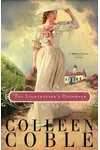
- The Lightkeeper's Daughter (2009) – Focuses on Addie Sullivan and John North, set in 1907.
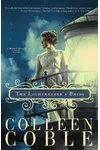
- The Lightkeeper's Bride (2010) – Focuses on Katie Russell and Will Jesperson, set in 1909.
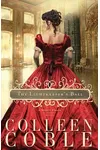
- The Lightkeeper's Ball (2011) – Focuses on Olivia Stewart and Harrison Bennett, set in 1910.
Additionally, for those who prefer to own the entire trilogy in one package, Thomas Nelson released a bundled edition titled The Mercy Falls Collection in 2014, which contains all three novels in their proper reading order.
Publication Order vs. Chronological Order
Fortunately for readers, there is no confusion or timeline skipping in the Mercy Falls series. The chronological order matches the publication order exactly. The narrative moves forward through the late Gilded Age and the turn of the 20th century:
- The Lightkeeper's Daughter: Set in 1907, establishing the town, the local lighthouse, and the social dynamics between the wealthy elite and the working class.
- The Lightkeeper's Bride: Set in 1909, introducing early modern conveniences like telephone switchboards to the isolated town.
- The Lightkeeper's Ball: Set in 1910, weaving real-world historical events of that year—including the passage of Halley's Comet and early aviation exhibitions—directly into the plot.
Deep Dive into the Books
1. The Lightkeeper's Daughter (2009)
The series opens in 1907 with Addie Sullivan, a young woman who has always felt like an outsider in her own family. When she discovers she might actually be Julia Eaton, the long-lost heiress of a wealthy coastal dynasty who vanished in a storm years ago, she takes a job as a governess for the Eaton family to search for the truth. In Mercy Falls, she crosses paths with John North, a grieving widower struggling to raise his daughter. As Addie gets closer to uncovering the secrets of her past, she realizes someone in the Eaton household will go to deadly lengths to keep the truth buried.
2. The Lightkeeper's Bride (2010)
Set in 1909, the second installment shifts the spotlight to Katie Russell, a modern-minded young woman working as a telephone operator in Mercy Falls. When her close friend mysteriously disappears, Katie refuses to let the matter rest. She joins forces with Will Jesperson, the town's handsome new lighthouse keeper, to search for clues. Together, they unravel a dark web of local deceit, all while dealing with their own class differences and growing affection for one another. The book highlights the tension between traditional coastal life and the dawn of 20th-century technology.
3. The Lightkeeper's Ball (2011)
The trilogy reaches its climax in 1910 with the story of Olivia Stewart. Desperate to discover the truth behind her sister's suspicious death, Olivia assumes the identity of a wealthy noblewoman, Lady Devonworth, to gain entry into the elite social circles of Mercy Falls. Her path crosses with Harrison Bennett, a man with secrets of his own. As the town prepares for a grand masquerade ball, Olivia and Harrison must navigate their growing feelings for each other while unmasking a killer who operates in plain sight. This final volume provides a satisfying resolution to the overarching community atmosphere built throughout the trilogy.
What to Know Before You Start
Before diving into Mercy Falls, here are a few key details to keep in mind to enhance your reading experience:
- Fictional Setting: While Mercy Falls is a fictional town, Colleen Coble based its geography on the rugged, redwood-forested coast of Northern California, giving it a highly atmospheric and authentic Gilded Age feel.
- Faith-Filled Stories: As Christian fiction, the characters' journeys frequently feature themes of prayer, trust in God, forgiveness, and finding light in times of darkness. The central lighthouse serves as both a literal setting and a spiritual symbol.
- Standalones with Crossover: You can technically enjoy any of these books as a standalone mystery. However, because minor characters from the first book are referenced or appear in later volumes, reading them out of order will spoil who ends up together and how certain local mysteries are resolved.